
What is palliative home care? A 2026 guide for families
- Apr 13
- 9 min read
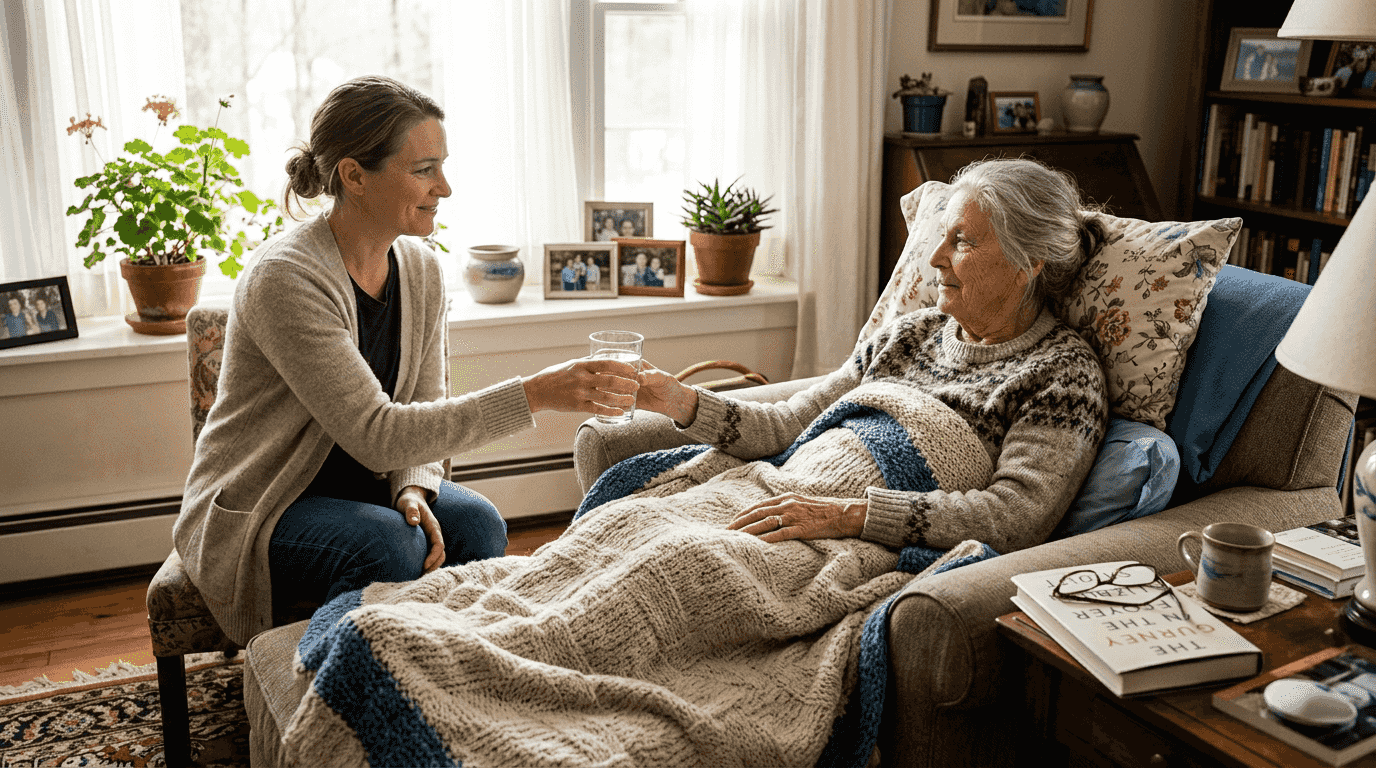
Many families assume palliative home care is only for end-of-life situations, but this common misconception prevents seniors and chronically ill individuals from accessing valuable support much earlier. Palliative care services are available at any illness stage, focusing on symptom relief and quality of life alongside curative treatments. For families in New York City and Westchester, understanding palliative home care options can transform how your loved ones experience chronic illness at home, reducing hospital visits while improving daily comfort and emotional well-being.
Table of Contents
Key takeaways
Point | Details |
Palliative care is not hospice | It focuses on symptom management and emotional support at any illness stage, not just end-of-life. |
Reduces hospital visits | Home-based palliative care decreases emergency visits and improves patient satisfaction. |
Interdisciplinary team approach | Coordinated medical, emotional, and spiritual support addresses all patient and family needs. |
Works alongside treatments | Palliative care complements curative therapies to enhance quality of life during ongoing medical care. |
Local support available | Organizations like Hospice of Westchester provide comprehensive services for NYC and Westchester families. |
Understanding palliative home care: definitions and core principles
Palliative home care provides specialized medical support focused on relieving symptoms and improving quality of life for patients facing serious illnesses. Unlike hospice care, which typically serves patients with a prognosis of six months or less, palliative care can begin at diagnosis and continue alongside curative treatments. This distinction matters because families often delay seeking help, thinking palliative services signal giving up on recovery.
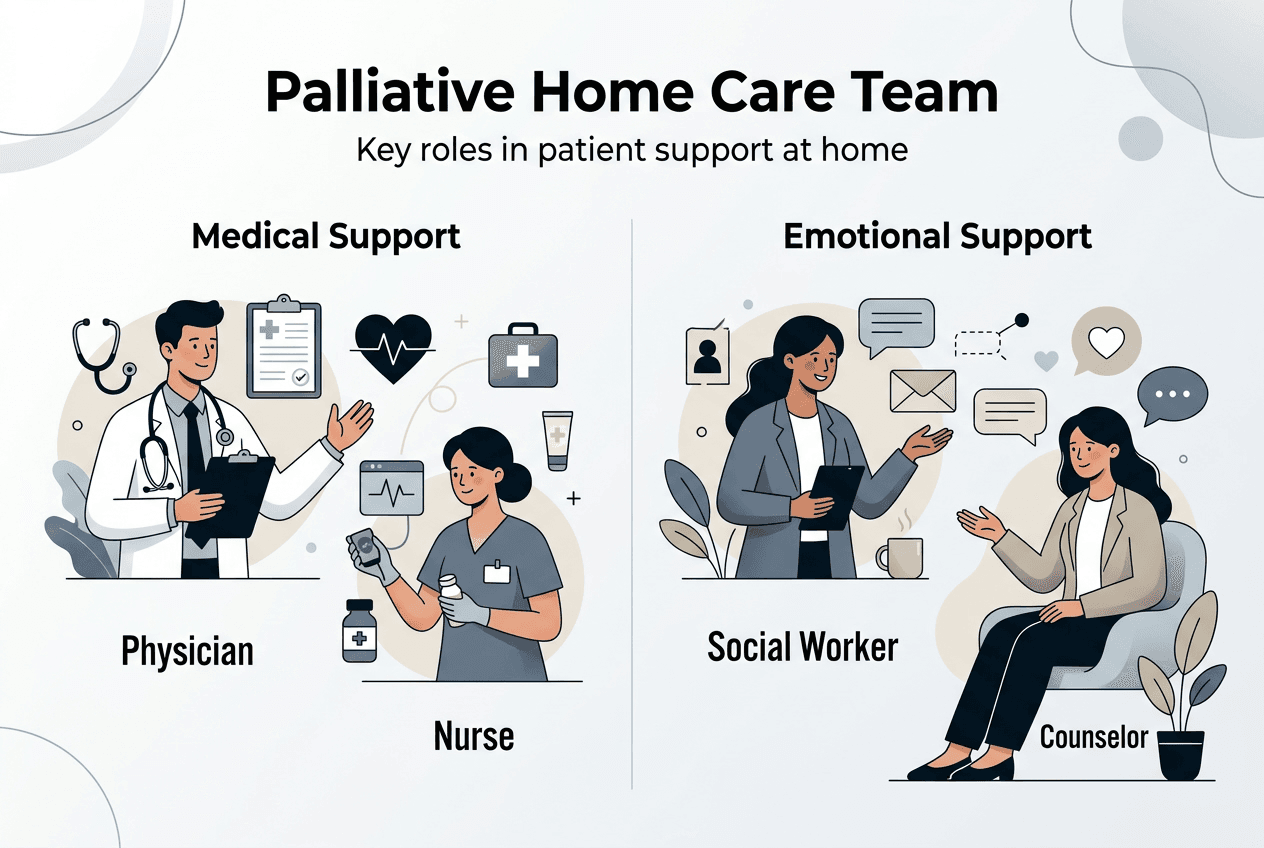
The approach centers on holistic patient well-being through interdisciplinary teams. Physicians, nurses, social workers, and counselors collaborate to manage physical symptoms like pain, nausea, and fatigue while addressing emotional, spiritual, and practical concerns. This comprehensive model recognizes that serious illness affects every aspect of life, not just physical health.
A widespread misconception suggests that choosing palliative care means stopping curative treatments. In reality, patients can receive chemotherapy, dialysis, or other therapies while benefiting from symptom management and emotional support. Early integration actually improves outcomes by helping patients tolerate treatments better and maintain stronger overall function.
Key principles of palliative home care include:
Patient-centered decision making that respects individual values and preferences
Symptom control using both medical interventions and complementary approaches
Family involvement in care planning and ongoing support
Communication support for navigating complex medical decisions
Coordination across all healthcare providers to ensure seamless care
The home setting offers unique advantages for palliative care delivery. Patients remain in familiar surroundings with family nearby, reducing stress and promoting comfort. Supportive home services enable independence while providing professional medical oversight, creating an ideal environment for managing chronic illness.
Pro Tip: Ask your physician about palliative care referrals at diagnosis rather than waiting for symptoms to become unmanageable. Earlier intervention provides better symptom control and quality of life throughout the illness journey.
Clinical and emotional benefits of palliative care at home
Research demonstrates that home-based palliative care reduces hospital readmissions while improving patient and family satisfaction. A 2022 study found that patients receiving palliative home care experienced 35% fewer emergency department visits compared to those without such services. These outcomes matter because hospitalizations disrupt routines, expose vulnerable patients to infections, and create significant emotional and financial stress for families.
Symptom control represents the most immediate benefit families notice. Pain management improves through personalized medication regimens and non-pharmacological approaches like positioning, massage, and relaxation techniques. Nausea, shortness of breath, and fatigue decrease as teams adjust treatments and teach families effective management strategies. Patients report feeling more in control of their bodies and daily experiences.
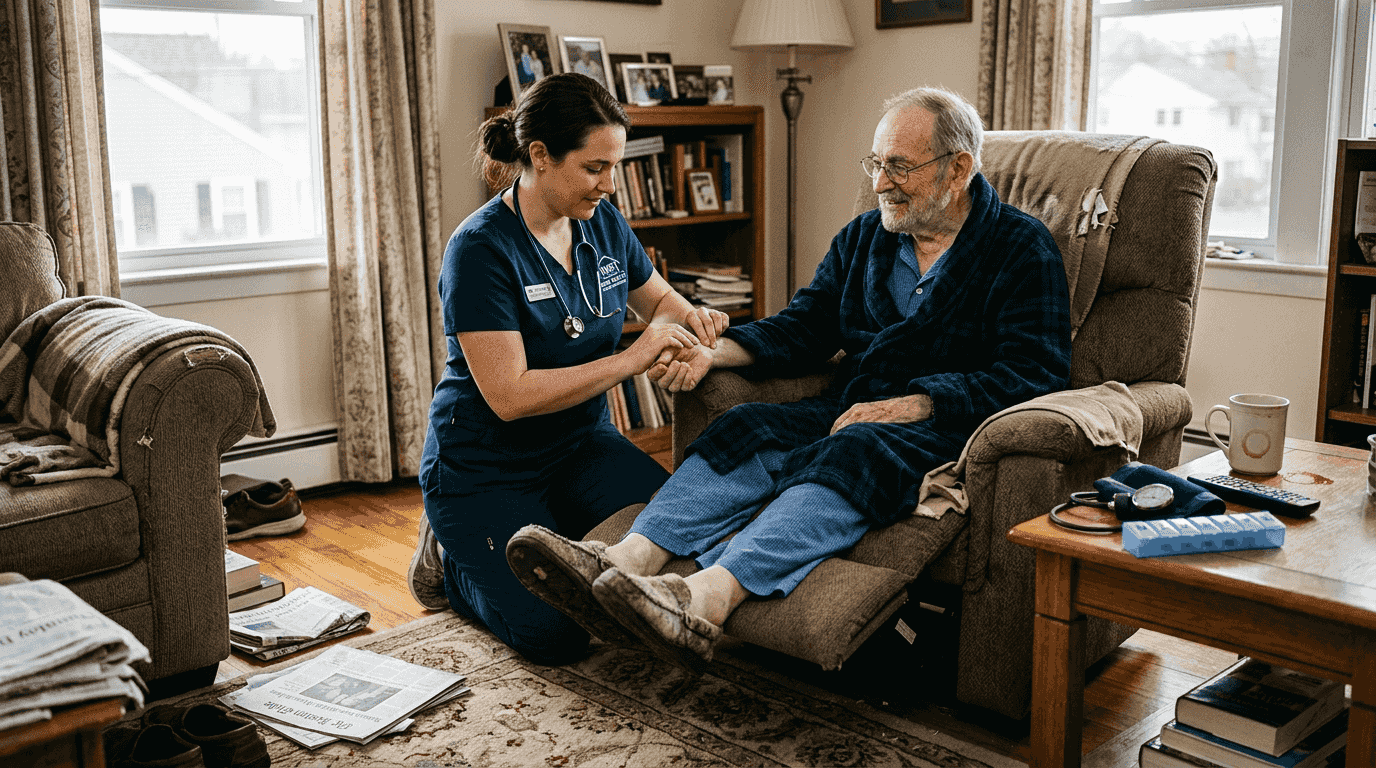
Emotional and spiritual support extends beyond the patient to encompass the entire family system. Social workers help navigate insurance complexities, coordinate community resources, and provide counseling for anxiety and depression. Chaplains or spiritual counselors address existential concerns and help patients find meaning during difficult times. This comprehensive support prevents the isolation many families experience when managing serious illness alone.
Caregiver well-being improves significantly with palliative home care involvement. Family members often shoulder enormous responsibility without adequate training or emotional support, leading to burnout and health problems. Compassionate care practices teach caregivers practical skills while providing respite and emotional outlets. Studies show caregiver stress decreases by up to 40% when professional palliative teams share the care burden.
“The difference was night and day. Before palliative care, we were constantly in crisis mode, rushing to the ER every few weeks. Now we have a team we can call anytime, and my mother’s pain is finally under control. She’s smiling again.”
Satisfaction metrics consistently favor home-based palliative care over traditional approaches. Patients value maintaining daily routines, sleeping in their own beds, and having family present without visiting hour restrictions. Families appreciate clear communication, coordinated care, and feeling supported rather than overwhelmed. These quality-of-life improvements matter as much as clinical outcomes.
Key benefits families report include:
Better sleep quality for both patients and caregivers
Reduced medication side effects through careful monitoring
Improved appetite and nutrition with personalized approaches
Greater sense of control over daily schedules and activities
Stronger family connections during challenging times
Starting home care services early in the illness trajectory maximizes these benefits, allowing teams to establish relationships and implement support systems before crises occur.
Addressing complex challenges in palliative home care
Complex pain syndromes require sophisticated management beyond standard medications. Managing complex pain involves combining pharmacological approaches with interventional techniques, physical therapy, and psychological support. Neuropathic pain from chemotherapy, bone pain from metastatic disease, or visceral pain from organ involvement each demand tailored strategies. Palliative teams adjust medications frequently, monitor for side effects, and incorporate holistic pain management options like acupuncture or guided imagery when appropriate.
Limited family support creates additional challenges requiring creative solutions. Patients living alone or with overwhelmed caregivers need more intensive professional involvement. Teams coordinate community resources, arrange volunteer visitors, and schedule more frequent home visits to ensure safety and symptom control. Technology like medication dispensers with reminders and telehealth check-ins extends professional oversight between in-person visits.
Ethical dilemmas around end-of-life decisions demand clear communication and advance care planning. Families often struggle with questions about treatment intensity, artificial nutrition, and resuscitation preferences. Palliative teams facilitate difficult conversations, help patients articulate values and goals, and document wishes in advance directives. This proactive approach prevents crisis decision making and reduces family conflict during emotionally charged moments.
Scenario | With Family Support | Limited Family Support |
Daily symptom monitoring | Family observes and reports changes | Scheduled nursing visits and telehealth check-ins |
Medication management | Family administers with nurse guidance | Automated dispensers plus professional administration |
Emotional support | Family provides companionship | Volunteer visitors and counselor sessions |
Crisis response | Family contacts team with concerns | Proactive outreach and more frequent assessments |
Interdisciplinary teams prove essential for navigating these complexities effectively. Physicians bring medical expertise, nurses provide hands-on care and education, social workers address practical and emotional needs, and chaplains support spiritual concerns. Regular team meetings ensure coordinated responses to changing patient conditions and family dynamics. This collaboration prevents gaps in care and ensures someone always addresses emerging issues.
Compassionate care practices adapt to individual circumstances rather than applying one-size-fits-all protocols. Teams assess unique challenges, leverage available resources, and create personalized solutions. A patient with limited mobility might receive physical therapy focused on comfort rather than rehabilitation, while someone with cognitive changes needs simplified medication schedules and safety modifications.
Pro Tip: Document your loved one’s care preferences in writing while they can clearly communicate their wishes. These conversations feel difficult but prevent confusion and guilt when families must make decisions on behalf of patients who can no longer speak for themselves.
Quality home care recognizes that complex situations require flexibility, creativity, and unwavering commitment to patient dignity and comfort.
How Hospice of Westchester complements palliative home care
Hospice care focuses specifically on comfort for patients approaching end of life, typically when curative treatments are no longer pursued and prognosis is six months or less. Hospice of Westchester provides compassionate end-of-life care combining medical symptom management with emotional and spiritual support tailored to families throughout the region. This specialized focus allows deeper expertise in end-of-life symptom control and bereavement support.
The organization integrates multiple support layers that extend beyond basic medical care. Social workers help families navigate practical concerns like funeral planning and estate matters. Bereavement counselors provide grief support for up to 13 months after a patient’s death, recognizing that family needs continue long after the patient passes. Complementary therapies like massage, music therapy, and pet visits enhance comfort and provide moments of joy during difficult times.
Hospice of Westchester offers comprehensive services including:
Medical care from physicians and nurses specializing in comfort-focused treatment
Social work support for practical, emotional, and family dynamics concerns
Spiritual care respecting diverse faith traditions and personal beliefs
Bereavement services for family members before and after patient death
Complementary care therapies enhancing comfort and quality of life
Comfort Crew Pediatrics providing specialized support for seriously ill children
The team approach involves clinicians, volunteers, and medical directors ensuring 24/7 availability and coordinated responses to changing needs. Volunteers provide companionship, respite for family caregivers, and practical assistance like meal preparation or errand running. This comprehensive support network prevents families from feeling alone during the most challenging period of their lives.
Service Type | Palliative Care | Hospice Care |
Timing | Any illness stage | Typically final 6 months |
Treatment focus | Symptom relief alongside curative care | Comfort-focused, curative treatments stopped |
Setting options | Home, hospital, facility | Primarily home-based |
Team composition | Medical, social, spiritual support | Medical, social, spiritual, bereavement, volunteers |
Medicare coverage | Limited, varies by plan | Comprehensive Medicare Hospice Benefit |
Understanding when to transition from palliative to hospice care helps families access appropriate support at each illness stage. Many patients receive palliative care for months or years before transitioning to hospice as their condition progresses. This continuum ensures consistent support throughout the entire illness journey rather than abrupt changes in care approach.
Pro Tip: Hospice eligibility does not require abandoning hope or giving up. Many patients live longer than six months under hospice care, and Medicare allows recertification if patients continue meeting eligibility criteria. The focus shifts to quality over quantity, but comfort-focused care often improves both.
Compassionate home health care services work alongside hospice programs to ensure seamless transitions and comprehensive support for families facing serious illness at any stage.
Why choose Friendly Home Care for palliative home care in NYC and Westchester
Families throughout New York City and Westchester County trust Friendly Home Care for compassionate, personalized palliative support that enhances quality of life at home. Our experienced teams understand the unique challenges of managing chronic illness while maintaining independence and dignity. We coordinate medical care, emotional support, and practical assistance tailored to each patient’s specific needs and family circumstances.
Our integrated approach addresses the full spectrum of palliative care needs. Licensed nurses provide expert symptom management and medication oversight. Trained aides assist with daily activities while monitoring for changes requiring clinical attention. Social workers connect families with community resources and provide counseling support. This coordinated model ensures nothing falls through the cracks as illness progresses and needs evolve.
Starting personalized home health services is straightforward. We begin with a comprehensive assessment of your loved one’s medical condition, functional abilities, and family support system. Together, we develop a customized care plan addressing immediate concerns and anticipating future needs. Our team guides you through insurance verification, scheduling, and caregiver introductions, making the transition to home-based palliative care as smooth as possible.
Serving Brooklyn, Queens, Manhattan, the Bronx, Staten Island, and Westchester communities, Friendly Home Care brings local expertise and cultural sensitivity to every family we support. Contact us today to discuss how palliative home care can improve your loved one’s comfort and your family’s peace of mind.
Frequently asked questions
What is the difference between palliative care and hospice care?
Palliative care can be provided alongside curative treatments at any illness stage, focusing on symptom relief and quality of life while patients continue pursuing recovery or disease management. Hospice care specifically serves patients with a prognosis of six months or less who have chosen to stop curative treatments and focus entirely on comfort. Palliative care may eventually transition to hospice as illness progresses, but many patients receive palliative support for years without ever needing hospice services.
How can families in NYC and Westchester start palliative home care for their loved ones?
Contact home care providers specializing in palliative services to schedule an initial assessment of your loved one’s needs. Ask your physician or specialist for referrals to reputable agencies with experience managing your specific condition. Many families also explore local organizations like Hospice of Westchester for guidance on available support options and help navigating insurance coverage for palliative services.
What services does palliative home care typically include?
Palliative home health services encompass symptom and pain management, emotional and spiritual support, and assistance with daily activities like bathing, dressing, and meal preparation. Teams provide medical decision-making support and coordinate care across all providers to ensure consistent, comprehensive treatment. Many programs include bereavement and family counseling services, recognizing that serious illness affects the entire family system, not just the patient.
Can palliative home care be provided alongside curative treatments?
Yes, palliative care complements curative treatment at any illness stage, focusing on symptom relief and quality of life while patients continue chemotherapy, dialysis, or other therapies. The dual approach often improves treatment tolerance and outcomes because patients feel better physically and emotionally. Research consistently shows that earlier palliative care integration leads to better quality of life, reduced hospitalizations, and sometimes even longer survival compared to curative treatment alone.
Recommended