
Why dementia care at home supports dignity
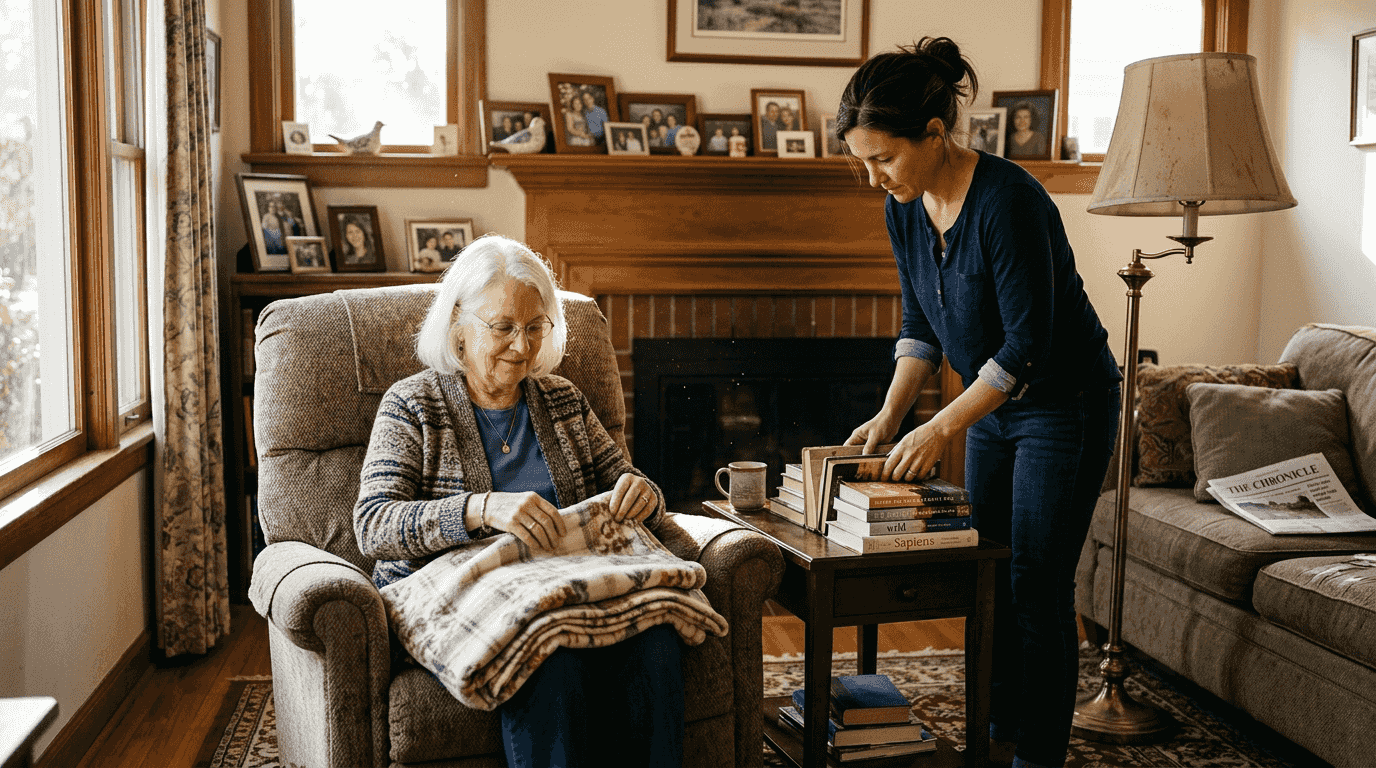
Families facing dementia care decisions often assume institutional settings provide better support than home environments. Research reveals the opposite: home care reduces confusion and anxiety in dementia patients compared to unfamiliar facilities. Staying in familiar surroundings with personalized routines helps loved ones maintain their identity and independence longer. This guide explains why in-home dementia care delivers better outcomes for many families in New York, covering evidence-based benefits, practical challenges, and how to find specialized support that honors your loved one’s dignity while easing family stress.
Table of Contents
Key takeaways
Point | Details |
Reduced confusion | Familiar home environments decrease anxiety and behavioral problems in dementia patients compared to institutional care. |
Higher satisfaction | Caregivers report better experiences with community-based and health system dementia care than usual care models. |
Advanced care gaps | Traditional home care agencies struggle with complex behaviors like aggression and wandering, creating service gaps. |
Personalized support | Home care plans tailored to individual routines and preferences preserve dignity and autonomy. |
Early planning matters | Starting conversations and arrangements early reduces family stress and improves patient quality of life. |
Understanding dementia care at home
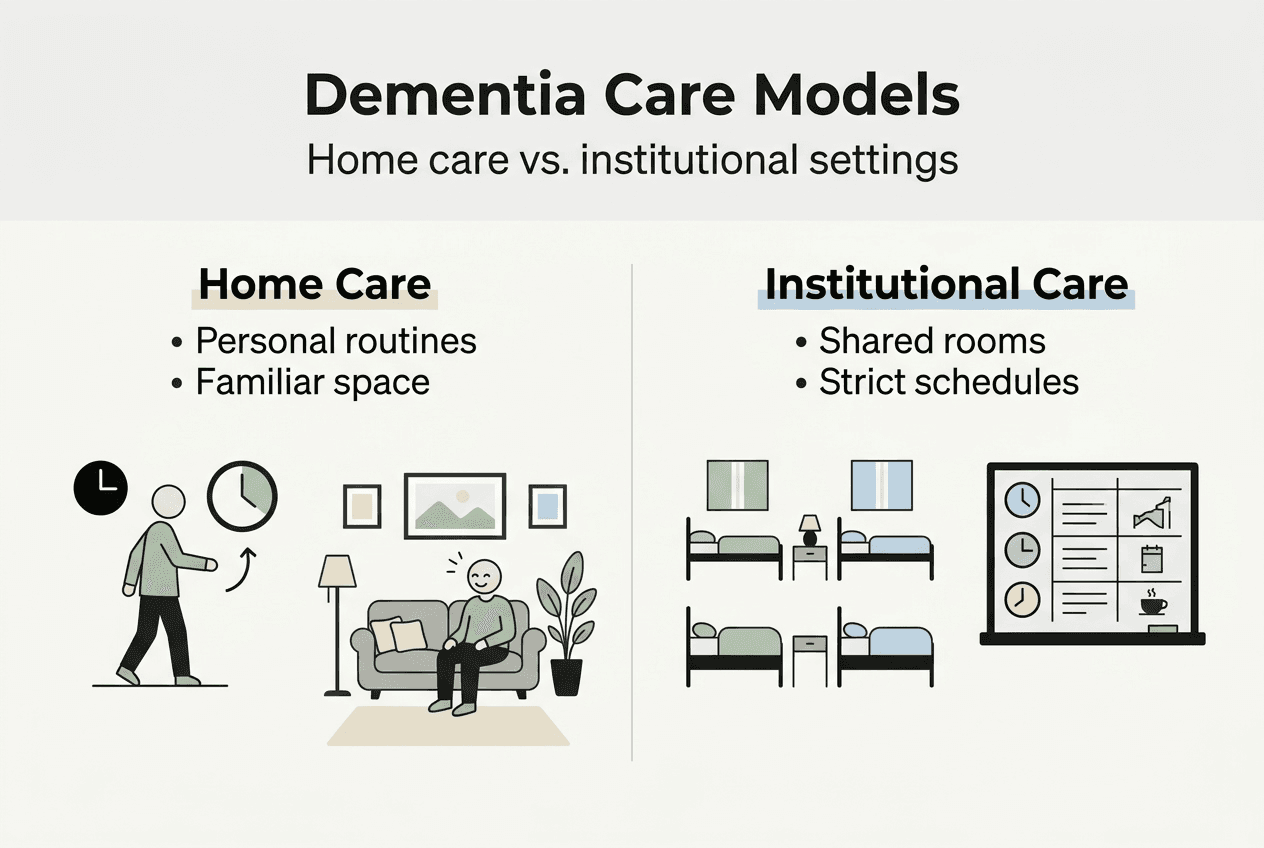
In-home dementia care means professional caregivers provide support, supervision, and assistance with daily activities in the patient’s own residence. This model contrasts sharply with nursing homes or memory care facilities where unfamiliar layouts, rotating staff, and institutional routines often increase disorientation. Home care allows individuals with dementia to remain in a familiar environment, which directly reduces confusion and anxiety.
Your loved one recognizes their bedroom, kitchen, and favorite chair. These touchpoints anchor memory and provide comfort that sterile facilities cannot replicate. Personalized routines matter enormously: waking at the usual time, eating preferred foods, and following established patterns help patients feel secure and maintain cognitive function longer. Home care teams adapt schedules around what works for each individual rather than forcing compliance with institutional timetables.
This approach supports autonomy in meaningful ways. Patients participate in decisions about their day, choose their clothing, and engage in familiar hobbies with caregiver assistance. Dignity remains intact when someone helps you in your own bathroom rather than a shared facility. One-on-one attention from quality home care providers means immediate response to needs without waiting for staff rotation or shift changes.
Key elements of effective home dementia care include:
Consistent caregivers who build trust and recognize behavioral patterns
Medication management and health monitoring in familiar settings
Assistance with bathing, dressing, toileting, and mobility
Meal preparation accommodating preferences and dietary needs
Cognitive stimulation through conversation, activities, and memory exercises
Safety modifications like removing tripping hazards and installing grab bars
Pro Tip: Create a care notebook documenting your loved one’s preferences, routines, favorite stories, and effective calming techniques so any caregiver can provide personalized support immediately.
Evidence and caregiver satisfaction with home dementia care
Research comparing different dementia care models reveals significant advantages for home-based approaches. A comprehensive study found that caregiver satisfaction with care was higher with both health system dementia care and community-based dementia care compared with usual care. This matters because caregiver wellbeing directly impacts patient outcomes and care sustainability.
The study measured multiple satisfaction dimensions across three care models. Health system dementia care (HSDC) involves coordinated services through hospital networks. Community-based dementia care (CBDC) leverages local agencies and home health providers. Usual care (UC) represents traditional primary care without specialized dementia coordination. Results showed CBDC and HSDC groups reported better experiences across quality metrics, communication, and support services.
Care Model | Satisfaction Score | Quality Rating | Coordination Level |
Health System Dementia Care | 8.4/10 | Excellent | High |
Community-Based Dementia Care | 8.1/10 | Very Good | High |
Usual Care | 6.7/10 | Fair | Low |
These differences stem from specialized training, care plan customization, and regular caregiver check-ins that home-based models provide. Families appreciate having a consistent point of contact who understands dementia progression and anticipates needs. Compassionate senior home care practices emphasize this relationship-centered approach.
Caregiver perspectives reveal what matters most:
Feeling heard and supported by care teams reduces burnout
Access to respite services allows family caregivers necessary breaks
Education about disease progression helps families prepare emotionally
Flexible care plans adapt as symptoms change over time
Regular communication prevents crises and hospitalizations
Pro Tip: Schedule monthly care team meetings to discuss what’s working, adjust strategies, and address concerns before they become emergencies.
Challenges and gaps in home dementia care for advanced symptoms
Despite clear benefits, traditional home care agencies face significant limitations managing complex dementia behaviors. Moderate to advanced dementia often brings paranoia, verbal or physical aggression, wandering, sundowning, and resistance to care. Home care agencies often have limitations in managing these behaviors, leading to service termination for clients with advanced symptoms.
This creates a painful gap for families. Your loved one may not need nursing home level medical care yet exhibits behaviors that overwhelm standard home health aides. Agencies designed for post-surgical recovery or basic assistance lack specialized dementia training. When caregivers cannot safely manage aggressive outbursts or constant wandering attempts, they discontinue services, leaving families scrambling.
The consequences compound quickly. Family members quit jobs to provide round-the-clock supervision. Stress fractures relationships and health. Premature nursing home placement occurs not because medical needs require it, but because behavioral support isn’t available at home. This represents a systemic failure to serve patients who could remain home with appropriate specialized care.
“There’s a significant care gap for individuals with moderate to advanced dementia who need more than basic assistance but aren’t ready for institutional placement. Families face impossible choices when traditional home care agencies say they cannot help.”
Navigating these challenges requires strategic planning:
Research agencies specifically advertising dementia behavior management expertise before crisis hits.
Ask detailed questions about staff training in de-escalation techniques and behavioral interventions.
Confirm 24/7 availability and backup caregiver systems for emergencies.
Request references from families managing similar behavioral symptoms.
Explore combining services: home health aide plus geriatric care manager plus adult day program.
Connect with local Alzheimer’s Association chapters for starting home care services guidance and provider recommendations.
Families often discover that specialized dementia care costs more than basic home health services. However, this investment prevents more expensive crisis hospitalizations and delays institutional placement, ultimately saving money while preserving quality of life.
Finding the right in-home dementia care in New York
New York families have access to numerous home care providers, but capabilities vary dramatically regarding dementia specialization. You need agencies with proven expertise managing cognitive decline, behavioral symptoms, and the emotional complexities dementia brings. Start by assessing whether providers offer truly personalized dementia support or just generic home health services.
Key criteria separate specialized dementia care from basic assistance:
Staff receive ongoing dementia-specific training beyond standard home health aide certification
Agencies maintain low caregiver-to-client ratios enabling individualized attention
Services include care plan adjustments as disease progresses without service termination
Behavioral management protocols address aggression, wandering, and sundowning safely
24/7 supervision options exist for advanced stages requiring constant monitoring
Multilingual caregivers serve New York’s diverse communities with cultural sensitivity
Feature | Traditional Home Care | Specialized Dementia Home Care |
Staff Training | Basic health aide certification | Advanced dementia behavior management |
Service Continuity | May terminate with challenging behaviors | Adapts care plans, maintains service |
Care Planning | Standardized tasks and schedules | Fully personalized routines and approaches |
Availability | Business hours or scheduled shifts | 24/7 options including overnight care |
Family Support | Minimal caregiver education | Regular training and respite resources |
Questions to ask prospective agencies:
What percentage of your clients have dementia diagnoses?
Describe your caregiver training specific to behavioral symptoms.
How do you handle situations when a client becomes aggressive or refuses care?
What is your policy if our loved one’s needs exceed caregiver capabilities?
Can we meet potential caregivers before committing to services?
How do you coordinate with our loved one’s physicians and specialists?
Licensing and accreditation matter significantly. Verify New York State Department of Health licensure and look for Joint Commission accreditation, which indicates adherence to rigorous quality standards. Personalized home health services should include comprehensive assessments, written care plans, and regular progress reviews.
Pro Tip: Visit the agency office and request to speak with their dementia care coordinator or clinical director, not just intake staff, to gauge true expertise and commitment to this specialized population.
Geographic considerations also matter in New York. Agencies serving all five boroughs plus Westchester provide consistency if your loved one relocates between family members’ homes. Supportive home services for independence should remain accessible whether you’re in Brooklyn, Manhattan, Queens, the Bronx, Staten Island, or Westchester County.
Why dementia care at home supports dignity and independence
Preserving dignity becomes increasingly challenging as dementia progresses, but home care offers distinct advantages over institutional settings. Your loved one maintains their identity surrounded by personal belongings, family photos, and lifetime accumulations that trigger positive memories. These environmental cues support cognitive function and emotional wellbeing in ways sterile facilities cannot replicate.
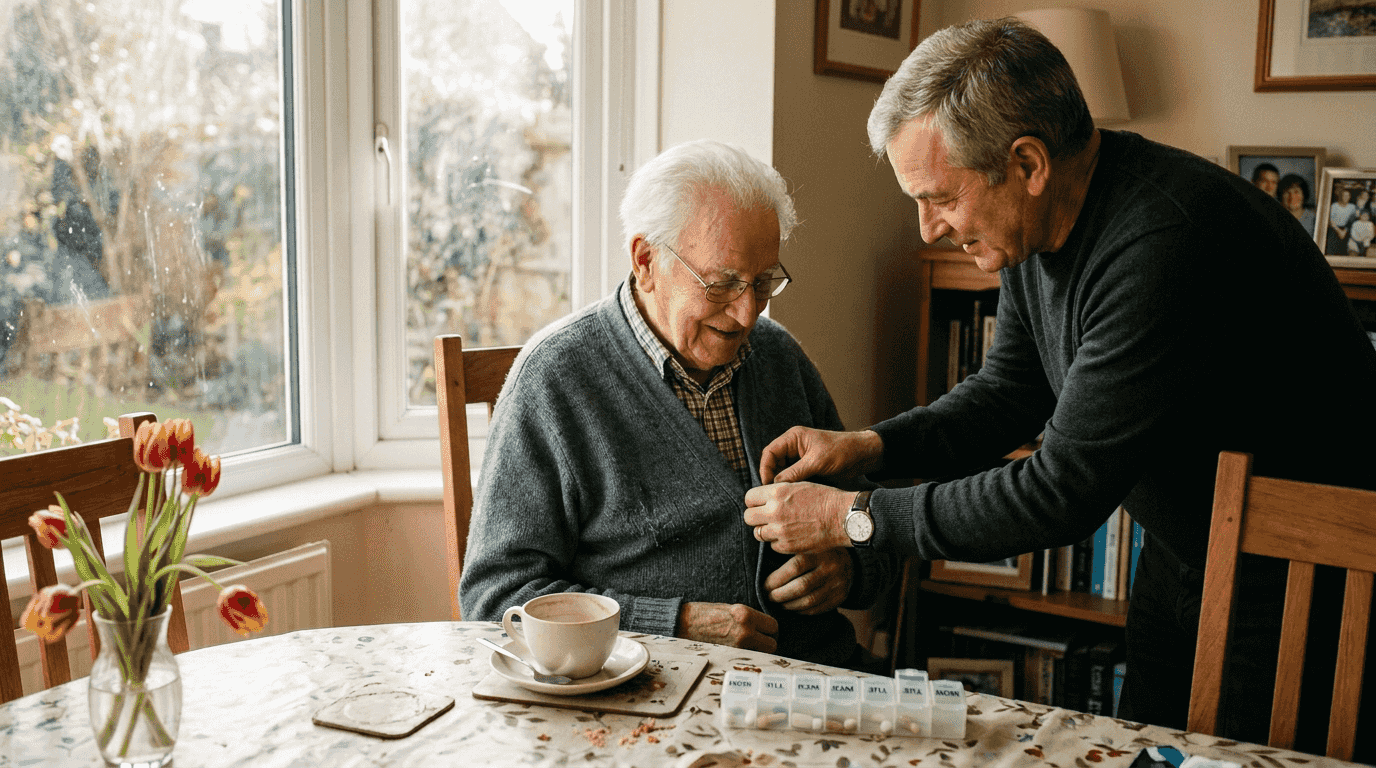
Home care allows individuals with dementia to follow personalized routines honoring their preferences and history. Someone who always drank coffee at 6 a.m. continues that ritual. A former teacher might still organize books by subject. These small continuities preserve selfhood when so much else feels confusing. Caregivers learn what matters to each person and build care around those priorities rather than institutional convenience.
Independence takes different forms as dementia advances. Early stages might mean choosing daily activities with caregiver support. Later stages could involve participating in self-care tasks like holding a washcloth during bathing. Home care teams recognize these moments of autonomy and create opportunities for meaningful participation. Contrast this with facilities where efficiency often means staff doing everything for residents rather than with them.
Emotional, cognitive, and social benefits of home dementia care include:
Reduced fear and agitation from staying in known, safe environments
Better sleep patterns maintained through familiar bedrooms and routines
Continued pet companionship providing comfort and purpose
Family members visiting naturally rather than during institutional hours
Neighborhood connections sustained through familiar faces and places
Privacy and personal space respected in ways impossible in shared facilities
One-on-one attention enabling conversation, reminiscence, and genuine connection
Dignity also means avoiding the indignities common in institutional care: shared bathrooms, communal dining with strangers, loss of personal possessions, and rigid schedules ignoring individual needs. Home care from quality providers treats your loved one as a unique individual with a rich history deserving respect, not as a diagnosis requiring management.
This person-centered approach extends to family relationships. Adult children can visit their parent in the home where they grew up, sharing memories in meaningful contexts. Grandchildren play in familiar spaces. Holiday traditions continue. These connections sustain identity and purpose for dementia patients in profound ways.
Explore personalized dementia care services with Friendly Home Care
Friendly Home Care specializes in compassionate, expert dementia support throughout New York City and Westchester County. Our caregivers receive advanced training in behavioral management, communication techniques, and person-centered approaches that honor each client’s unique history and preferences. We create fully customized care plans that adapt as needs change, ensuring your loved one receives appropriate support at every stage without service disruption. Our personalized home health services help families maintain their loved one’s dignity and independence while providing the specialized expertise dementia care requires. Contact Friendly Home Care today to discuss how we can support your family with tailored dementia care solutions.
Frequently asked questions
What are the benefits of dementia care at home?
Home dementia care reduces anxiety and confusion by keeping patients in familiar environments they recognize. Personalized routines honor individual preferences and maintain dignity through one-on-one attention. Caregivers report higher satisfaction with home-based models compared to institutional care, and families can better preserve their loved one’s identity and autonomy.
How do I find specialized home care for dementia in New York?
Start by researching agencies advertising dementia behavior management expertise, not just basic home health services. Ask about staff training in de-escalation techniques and their policies when challenging behaviors arise. Check for New York State Department of Health licensure and request references from families managing similar symptoms.
What challenges should families expect with home dementia care?
Advanced dementia behaviors like aggression, wandering, and sundowning require specialized training many standard agencies lack. Families may need to coordinate multiple services or hire specialized providers at higher costs. Traditional home care agencies sometimes terminate services when behaviors become too challenging, creating difficult transitions.
When should we start planning for in-home dementia care?
Begin planning as soon as you receive a dementia diagnosis, even if current needs seem minimal. Early conversations about preferences, financial arrangements, and provider research reduce crisis decision-making later. Establishing relationships with specialized agencies before behaviors escalate ensures smoother transitions and better care continuity.
Can home care handle advanced dementia symptoms?
Specialized dementia care agencies can manage advanced symptoms including behavioral issues, 24/7 supervision needs, and complex medication regimens. However, capabilities vary significantly between providers. Confirm specific expertise in advanced dementia care and ask about their threshold for service continuation versus nursing home recommendations.
Recommended