
What Is Professional Caregiving: A Family Guide
TL;DR:
Professional caregiving includes paid support from trained aides assisting with daily tasks and health needs at home.
It works best when combined with family efforts, offering clinical observation and reducing caregiver burnout.
Professional caregiving is defined as paid, trained support provided by skilled aides who assist seniors and people with disabilities with daily living tasks, safety monitoring, and health-related needs at home. The industry behind this definition is enormous. The U.S. direct-care workforce totals approximately 4.6 million paid workers, complementing 53 million unpaid family caregivers who contribute an estimated $600 billion in annual economic value. That scale tells you one thing clearly: professional caregiving is not a luxury add-on. It is a structured, regulated field that fills critical gaps family members cannot always cover alone.
The industry term most professionals use is home care or in-home care, and it falls under oversight from bodies like the New York State Department of Health and The Joint Commission. Understanding what professional caregivers actually do, and how they work alongside families, helps you make better decisions for the people you love.
What is professional caregiving and what tasks does it include?
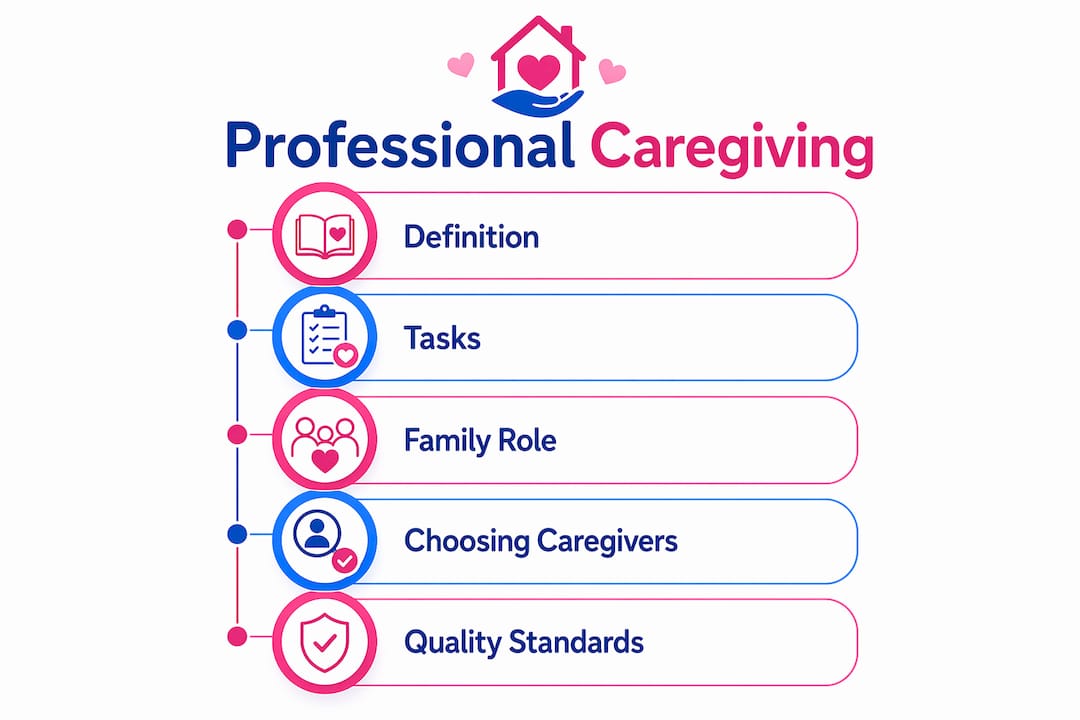
Professional caregiving covers two broad categories: non-medical support and skilled care. Knowing the difference helps families plan the right level of help from the start.
Non-medical support focuses on activities of daily living, commonly called ADLs. These include:
Personal care: bathing, dressing, grooming, and toileting
Mobility support: transferring from bed to chair, walking assistance, fall prevention
Meal preparation: cooking, feeding support, and nutrition monitoring
Medication reminders: prompting clients to take prescribed medications on schedule
Light housekeeping and errands: laundry, grocery shopping, and keeping the home safe
Skilled care goes a step further. Wound care and catheter maintenance are examples of skilled tasks typically ordered by a physician. These require documented clinical training and are not part of standard non-medical home care. Families should consult a hospital case manager or physician to clarify which level of care their loved one needs before arranging services.
Pro Tip: Ask the discharging hospital or physician for a written care summary before your loved one comes home. That document tells any incoming caregiver exactly what tasks are needed and at what frequency.
Consistency matters as much as the tasks themselves. A caregiver who follows the same safety protocols each visit reduces the risk of falls, missed medications, and undetected health changes. Reliable routines are not just comforting. They are clinically protective.
How does professional care work alongside family caregiving?
Professional caregiving works best as a partnership with family, not a replacement for it. Research shows that older adults receiving both family and professional care report better self-rated health, improved mobility, and lower rates of depressive symptoms than those receiving family care alone. That finding is significant. It means the combination produces outcomes neither can achieve independently.
The reason comes down to clinical objectivity. Professional caregivers are trained to notice subtle changes that family members, because of emotional closeness, may overlook. A slight shift in gait, a change in appetite, or early signs of a urinary infection can all signal a larger problem. Professional caregivers detect these early warning signs because they bring pattern recognition developed across many clients and cases. Family members bring love and history. Professionals bring clinical distance. Both are necessary.
The table below shows how the two roles divide naturally:
Care area | Family caregiver role | Professional caregiver role |
Emotional support | Primary relationship, companionship | Supplementary companionship |
Personal care (bathing, dressing) | As needed or preferred | Consistent daily support |
Health monitoring | Observational, informal | Trained, protocol-based |
Medication management | Reminders, refills | Scheduled reminders, documentation |
Physical transfers and mobility | Occasional assistance | Safe technique, fall prevention |
“Delegating physical transfers, grooming, and safety monitoring to a trained professional enhances quality of life for the whole family, not just the person receiving care.”
Reducing caregiver burnout is one of the most underappreciated benefits of professional home care. When family members are not exhausted from hands-on nursing tasks, they can show up as sons, daughters, and spouses again. That shift preserves relationships and protects the long-term sustainability of care at home.
What should families consider when choosing professional caregivers?
The first decision families face is whether to hire directly or work through a licensed agency. Both paths have real consequences.
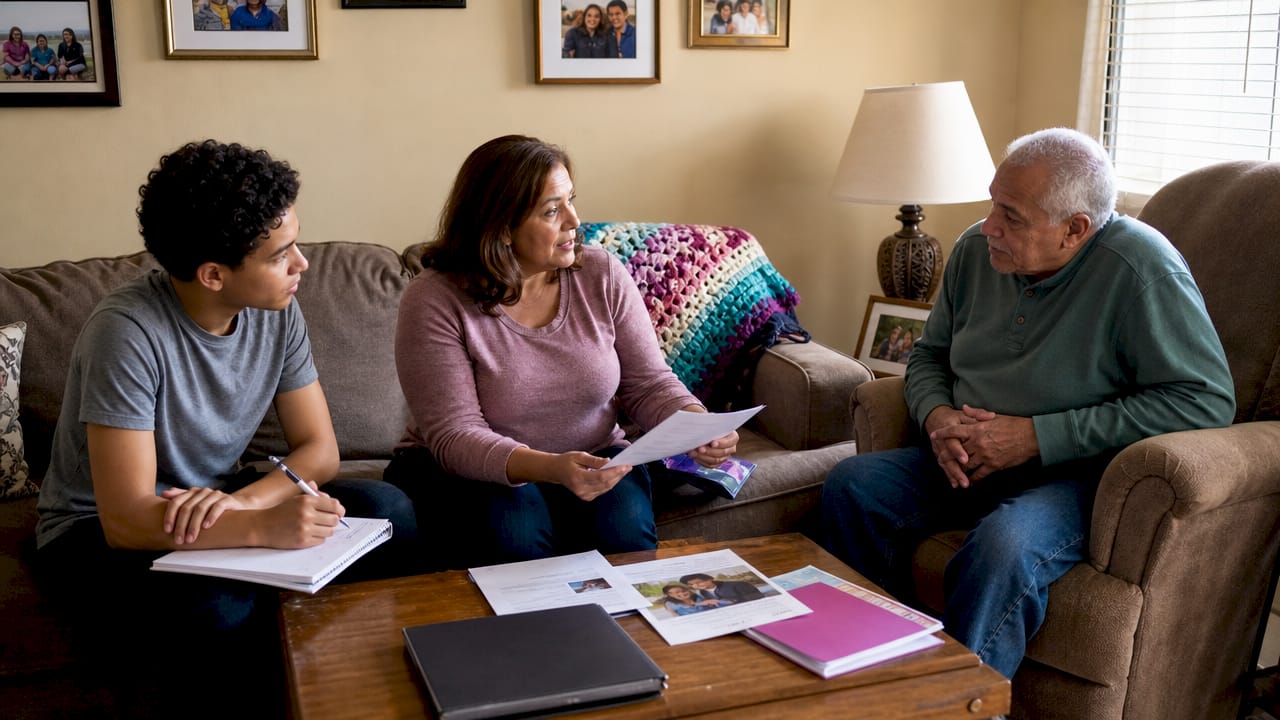
Hiring a caregiver directly places your family in the role of employer. That means running background checks, handling payroll taxes, managing liability, and arranging backup coverage when the caregiver is sick or on vacation. Agency care builds all of that in automatically. Agencies vet caregivers, carry liability insurance, and send a replacement if your regular caregiver is unavailable. For most families, that reliability is worth the difference in cost.
The second decision is timing. Most families wait too long. Starting professional care early, before a health crisis forces the issue, gives everyone time to adjust. It also allows caregivers to establish a baseline for your loved one’s normal behavior and health patterns. Changes become easier to detect when there is a baseline to compare against.
Here is a practical sequence for integrating professional care:
Talk to the physician or hospital case manager. Get written orders for any skilled care needs and a clear picture of ADL support requirements.
Assess the home environment. Remove tripping hazards, install grab bars, and check lighting before the caregiver starts.
Choose an agency or direct hire. Weigh legal responsibilities, backup coverage, and cost carefully.
Start with lighter tasks. Meal preparation and companionship are good entry points. They ease the adjustment for your loved one without feeling intrusive.
Build in a review period. Schedule a check-in at 30 days to assess whether the care plan still fits.
Pro Tip: When interviewing agencies, ask specifically how they handle caregiver absences. A clear, fast backup process is one of the strongest signs of a well-run agency.
Transitioning to professional care works best when families treat it as a gradual partnership, not a handoff. Your loved one’s comfort with the caregiver matters as much as the caregiver’s credentials.
The role of family in home care does not shrink when professionals are involved. It shifts. Families move from managing physical tasks to coordinating care, advocating for their loved one, and maintaining the relationship that no professional can replicate.
What qualifications and standards govern professional caregivers?
Professional caregivers in home care settings hold recognized credentials that reflect their training and scope of practice. The most common include:
Home Health Aide (HHA) certification: Required in New York State for caregivers providing hands-on personal care in licensed agencies. Training covers ADLs, infection control, emergency response, and basic health monitoring.
Certified Nursing Assistant (CNA): A higher credential that includes clinical skills training and is required for some skilled care tasks.
Ongoing education requirements: Licensed agencies in New York must provide continuing education to maintain caregiver certification under NYS Department of Health regulations.
Licensing and accreditation set the floor for quality. Agencies licensed by the New York State Department of Health must meet staffing, training, and supervision standards. Accreditation from The Joint Commission adds a second layer of independent review, covering care planning, patient rights, and safety protocols. Families should ask any agency they consider whether it holds both.
Agency vetting goes beyond credentials. Reputable agencies conduct criminal background checks, verify work history, and screen for the interpersonal skills that make caregiving effective. A caregiver who is technically trained but poor at communication creates its own set of problems. The best agencies screen for both.
Validating the patient experience is also part of professional caregiving standards. Trained caregivers document observations, report changes to supervisors, and advocate for clients when something seems wrong. That documentation trail protects clients and keeps physicians informed between visits.
Key Takeaways
Professional caregiving improves health outcomes, reduces family burnout, and keeps seniors safely at home when it combines trained professional support with active family involvement.
Point | Details |
Definition of caregiving | Professional caregiving is paid, trained support covering ADLs, safety monitoring, and some skilled care tasks. |
Blended care improves outcomes | Combining family and professional care produces better health and mobility results than family care alone. |
Agency vs. direct hire | Agencies provide built-in backup coverage and handle legal employer responsibilities families cannot easily manage. |
Start early, not in crisis | Beginning professional care before a health emergency improves adjustment and allows baseline health monitoring. |
Credentials and oversight | HHA certification, NYS Department of Health licensing, and Joint Commission accreditation set the quality standard. |
Why professional caregiving is more than just extra help
By Brigid
After years of working closely with families navigating home care decisions, I have noticed one pattern that repeats itself almost without exception. Families wait. They wait until a fall, a hospitalization, or complete exhaustion before they call for professional support. And every time, the transition is harder than it needed to be.
The families who bring in professional caregivers early, even just for meal preparation and companionship a few days a week, adapt far better. Their loved ones get used to having a caregiver present before the need becomes urgent. The caregiver learns the person’s routines, preferences, and baseline health. That relationship becomes genuinely protective over time.
What I find most undervalued is the clinical observation piece. Family members are too close to see certain changes clearly. A professional caregiver who visits three times a week will notice that a client is favoring one leg, eating less, or seems more confused than last Tuesday. Those observations, reported promptly, can prevent a hospitalization. That is not a small thing.
My honest advice: do not frame professional caregiving as giving up or admitting defeat. Frame it as adding a skilled partner to your team. The goal is not to replace what your family provides. The goal is to make sure your loved one gets the full range of support they need, and that you have the energy to keep showing up for them.
— Brigid
Friendlyhomecareny: professional in-home care for NYC and Westchester families
Friendlyhomecareny is a licensed and accredited home care agency serving all five boroughs and Westchester County. The agency provides personalized in-home care services covering personal care, mobility support, meal preparation, companionship, medication reminders, and post-hospital recovery support. Every caregiver is trained, background-checked, and multilingual to serve New York’s diverse communities. Friendlyhomecareny is licensed by the New York State Department of Health and accredited by The Joint Commission, so families can trust the quality and reliability of every care plan. If you are ready to talk about what professional caregiving looks like for your family, contact Friendlyhomecareny to schedule a consultation.
FAQ
What is the definition of professional caregiving?
Professional caregiving is paid, trained support provided by certified aides who assist seniors and people with disabilities with daily living tasks, safety monitoring, and health-related needs at home.
Why do professional caregivers matter for seniors living at home?
Professional caregivers provide clinical observation, consistent routines, and safe physical assistance that reduce fall risk, prevent rehospitalization, and support independence at home.
What is the difference between non-medical and skilled home care?
Non-medical care covers ADLs like bathing, dressing, and meal preparation. Skilled care includes tasks like wound care or catheter maintenance and requires a physician’s order.
How do I know when to hire a professional caregiver?
Starting professional care early before a crisis improves outcomes. Light-task support like companionship and meal prep is a practical first step that eases adjustment.
What credentials should a professional caregiver have in New York?
In New York, caregivers providing hands-on personal care through a licensed agency must hold a Home Health Aide (HHA) certification and meet ongoing education requirements set by the NYS Department of Health.
Recommended