
Customized home care plans: personalize support for loved ones
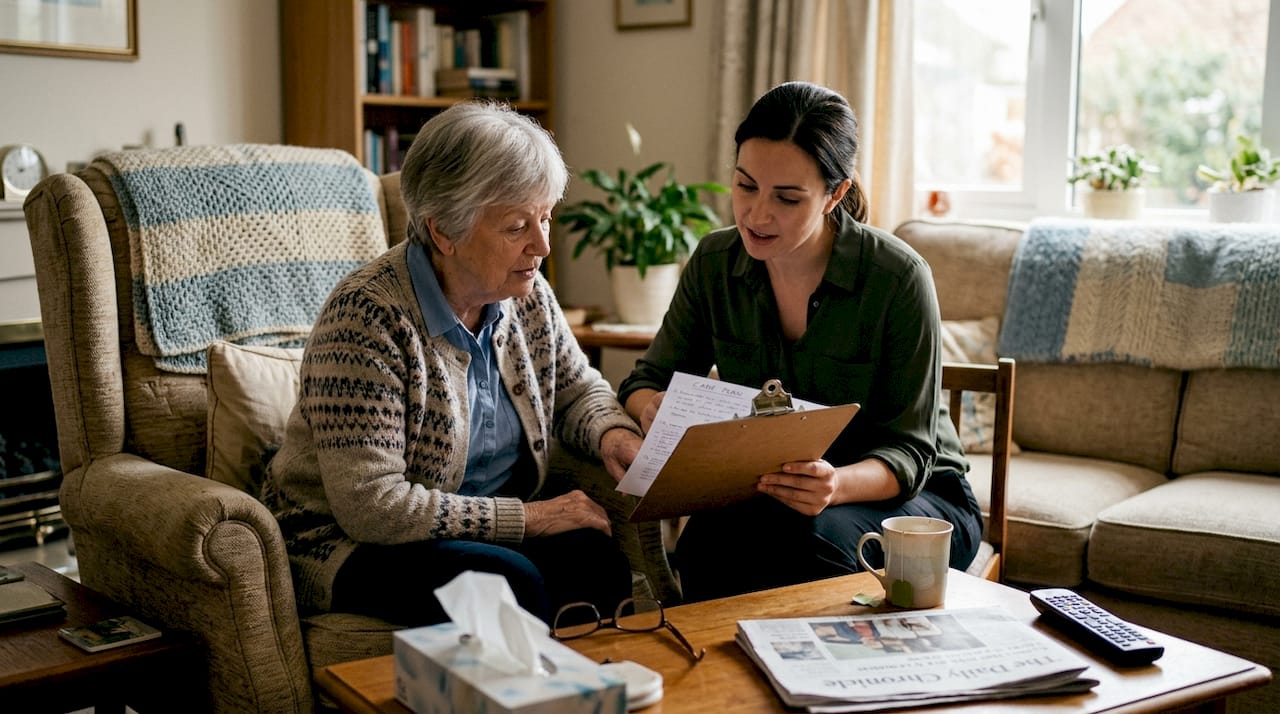
Many families in New York City and Westchester County assume that home care works the same way for everyone. You call an agency, a caregiver shows up, and basic tasks get done. The reality is far more thoughtful than that. Customized home care plans in NYC and Westchester typically begin with a thorough in-home assessment by a nurse or care manager. From that first visit forward, every detail of your loved one’s support is shaped around their specific health, culture, daily routine, and personal preferences. This guide walks you through exactly how that process works.
Table of Contents
Key Takeaways
Point | Details |
Personalization matters | Plans adapt to the client’s routines, medical needs, and changing circumstances. |
Assessment-driven plans | Nurses use in-depth home assessments and regular reviews to customize care. |
Wide service range | Home care plans include personal, medical, and specialty support types. |
Funding options exist | Families can use Medicaid, private pay, insurance, or CDPAP to afford care. |
Plan for complexity | Specialized care and tech tools address even complex medical or memory needs. |
What makes a customized home care plan?
After understanding that home care isn’t generic, let’s explore exactly what makes a care plan truly personalized. Person-centered care is the foundation. That means the plan adapts to who your loved one actually is, not just what diagnosis they carry.
A good care plan accounts for cultural background, language preferences, medical conditions, mobility level, and daily habits. Someone who wakes at 5 a.m. and attends church on Sundays needs a different schedule than someone who sleeps late and values quiet afternoons. These details matter deeply.
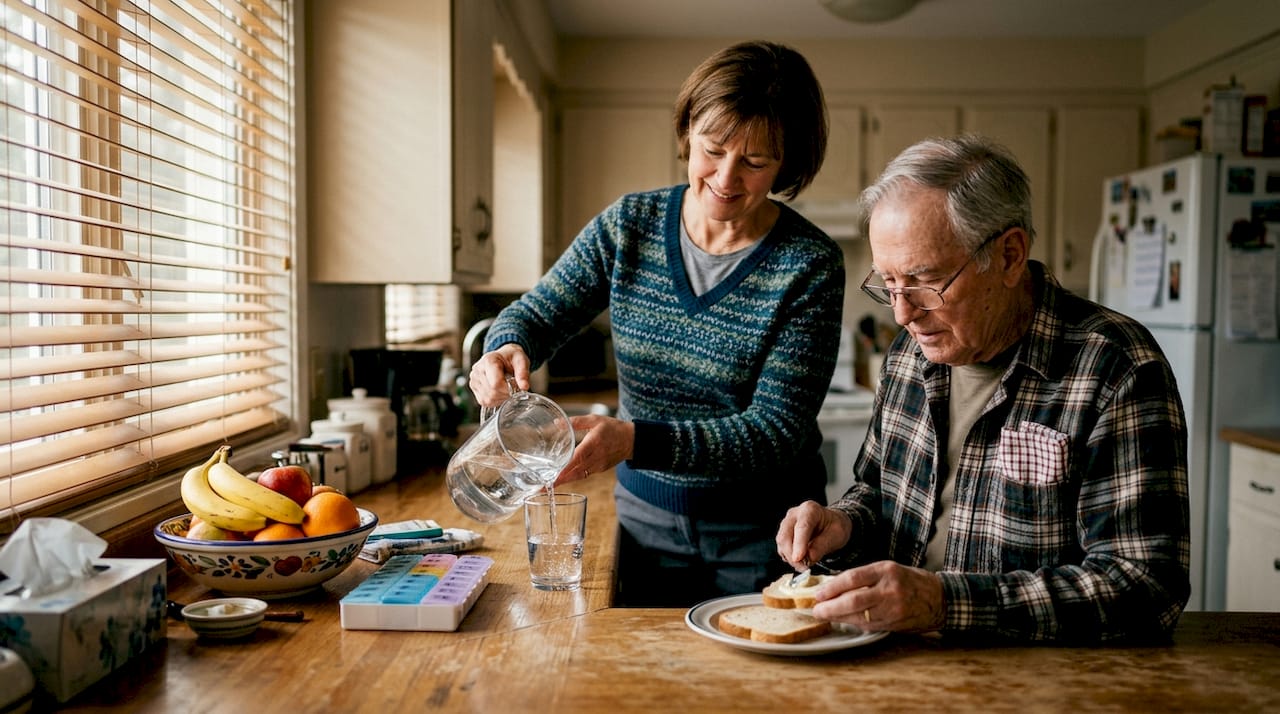
Customized plans are person-centered and evolving, covering personal care, medication management, meal prep, mobility aid, companionship, and specialized services. That list sounds straightforward, but the way each item is delivered changes based on the individual. For example, medication reminders for someone with early dementia look very different from those for someone recovering from hip surgery.
Here is what a well-built care plan typically addresses:
Bathing, grooming, and dressing tailored to the person’s pace and preferences
Meal preparation that respects dietary needs and cultural food traditions
Medication reminders timed to the individual’s schedule and condition
Mobility support matched to current physical ability
Companionship and social engagement to prevent isolation
Specialty care for conditions like dementia, ALS, or Parkinson’s disease
Family members, the client, and care professionals all contribute input. The plan is a living document, not a fixed checklist. You can learn more about what personal care services explained look like in practice for NYC families.
“Concierge-level personalization and a firm commitment to aging in place are especially critical for individuals living with dementia, where familiar routines and consistent caregivers make a measurable difference in daily quality of life.”
The assessment process: How needs are identified
To customize a plan, providers rely on a thorough initial assessment. Here is how that works step by step.
A registered nurse or care manager visits the home. They observe the living environment, note safety risks, and speak directly with your loved one.
Daily living tasks are evaluated. This includes bathing, dressing, eating, toileting, and moving around the home.
Medical and mobility needs are reviewed. Conditions, medications, fall history, and physical limitations are all documented.
Standardized tools guide the evaluation. UAS-NY assessments provide a 360-degree picture of needs, covering medical, mobility, daily living, and social factors.
Family input is gathered. You know your loved one best. Your observations are a critical part of the picture.
A written care plan is created. It outlines specific tasks, schedules, caregiver qualifications, and goals.
Assessments are not a one-time event. They are repeated at least annually or whenever a significant health change occurs, such as a hospitalization or a new diagnosis. If you are just beginning this process, our guide on starting home care assessment walks you through what to expect. You can also review the full family home care workflow for a broader picture of how the process unfolds.
Pro Tip: Before the assessment visit, write down your loved one’s daily routine, current medications, recent falls or health changes, and any concerns you have noticed. This preparation helps the nurse build a more accurate and complete care plan from day one.
Key types of care and services available
Once needs have been assessed, families can access a range of home care services. Here is how the main options compare.
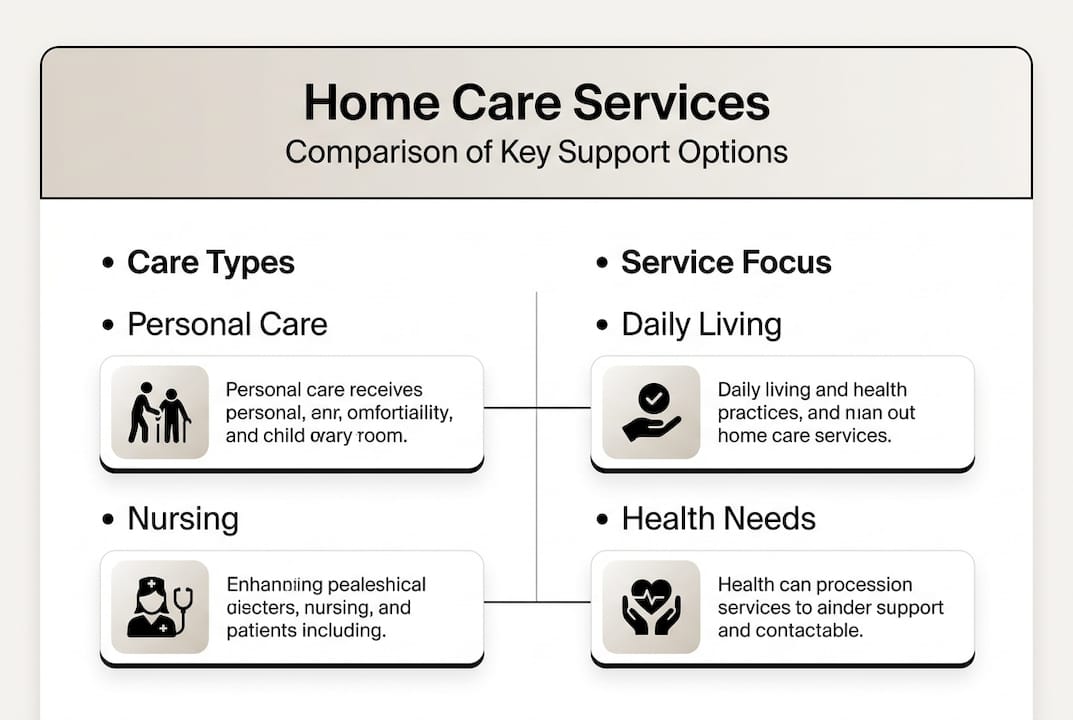
Service type | Best suited for | Typical frequency |
Personal care assistance | Help with bathing, grooming, dressing | Daily or several times per week |
Medication reminders | Chronic conditions, post-surgery recovery | Daily |
Meal preparation | Dietary restrictions, limited mobility | Daily |
Companionship | Social isolation, mild cognitive decline | Flexible |
Skilled nursing visits | Wound care, injections, monitoring | Weekly or as needed |
Dementia care | Memory loss, behavioral changes | Daily, consistent caregiver |
Post-surgery recovery | Hospital discharge, short-term rehab | Intensive short-term |
Customized plans cover personal care, medication management, meal prep, mobility aid, companionship, and specialized services for dementia, ALS, and post-surgery cases, with regular reassessments built in. The key word is regular. A plan that worked three months ago may need adjustment today.
Here are a few things families often overlook when reviewing service options:
Social engagement strategies should be written directly into the plan, not left as an afterthought
Caregiver consistency matters enormously for clients with dementia or anxiety
Language and cultural fit between caregiver and client improves cooperation and comfort
Nighttime needs are often underestimated during initial planning
For a deeper look at how care is delivered with dignity, read about compassionate senior care practices. If your loved one is moving from a hospital or rehab facility, our guide on transitioning to home health care covers what to prepare.
Pro Tip: Ask your care coordinator to include at least two planned social activities per week in the care plan. Research consistently shows that social isolation accelerates cognitive decline in older adults.
Eligibility, Medicaid, and payment options
Now that you know the available services, let’s break down who qualifies and how families pay for this care.
Medicaid is the most common funding source for home care in New York. Eligibility requires that an individual need limited assistance with at least three activities of daily living (ADLs), or substantial assistance with at least two, as assessed through the New York Independent Assessment Program (NYIAP). ADLs include tasks like bathing, dressing, eating, and moving around.
The Consumer Directed Personal Assistance Program, known as CDPAP, is a popular option for families who want more control. CDPAP allows eligible individuals to choose and direct their own caregivers, including family members or close friends, who are then paid through Medicaid.
Here is a quick breakdown of payment options:
Medicaid managed long-term care (MLTC): Covers ongoing home care for eligible low-income individuals
CDPAP: Consumer-directed; family members can serve as paid caregivers
Private pay: Out-of-pocket payment for those who do not qualify for Medicaid
Long-term care insurance: Coverage varies widely by policy; review your plan carefully
Medicare: Covers short-term skilled nursing or therapy after hospitalization, not ongoing personal care
One important fact: NYC home care costs can exceed assisted living expenses in some comparisons, though home care delivers one-to-one attention that facilities simply cannot match. Top agencies in New York achieve a 99% on-time start rate compared to the national average of 94%, which reflects the level of reliability families here can expect. For a full breakdown of funding pathways, visit our home care funding workflow guide.
Complex cases and advanced personalization
Customized home care even addresses the most complex or evolving health challenges. Here is how these advanced scenarios are managed.
For clients with severe medical or mobility needs, care plans may require weekly adjustments and RN oversight. A registered nurse reviews the plan, monitors health indicators, and coordinates with physicians when conditions change. This level of oversight is especially important after a hospital discharge or during a period of rapid health decline.
Dementia care is one of the most nuanced areas of home care personalization. Stable daily routines, familiar caregivers, and person-centered strategies reduce anxiety and behavioral episodes. Switching caregivers frequently or changing routines without preparation can cause significant distress for someone with memory loss.
Live-in and 24/7 care options are available for clients who need round-the-clock supervision. These arrangements are carefully structured to ensure caregiver rest periods and consistent coverage without gaps.
Technology is also playing a growing role. Remote monitoring tools and fall prediction technology help caregivers and families stay informed between visits. Wearable sensors, medication dispensers, and video check-ins support independence while reducing risk. Challenges remain, particularly around caregiver training and digital literacy for older adults, but the tools are improving quickly.
“Home care is strongly preferred for privacy and independence, but it carries a real risk of social isolation if socialization is not actively planned into the care schedule.”
For guidance on delivering care with genuine compassion, our compassionate caregiving guide offers practical insight for families and caregivers alike.
Home care or assisted living? Making the right choice
For many families, the big decision is whether to keep loved ones home or consider assisted living. Both options have real strengths and real limitations.
Home care offers privacy, flexible routines, and one-to-one attention. Your loved one stays in a familiar environment surrounded by personal belongings and neighborhood connections. Medicaid policy in New York actively supports home-based solutions, which means funding is often more accessible for in-home care than for facility placement.
Assisted living provides built-in community, structured activities, and 24-hour staffing. For some individuals, especially those who are very socially active or whose families cannot coordinate care logistics, a facility may be the better fit.
Here is a side-by-side look at the key differences:
Home care: Greater personalization, familiar setting, possible isolation without planned activities
Assisted living: Built-in social community, less customization, fixed daily schedules
Cost: NYC home care can exceed assisted living costs, but delivers individualized support
Medicaid: New York policy generally favors home-based care options
“The best care plan blends safety, independence, and meaningful daily activities. No single setting is right for every person.”
If your family is weighing this decision, our resource on transitioning to home healthcare can help you think through the practical steps involved.
Get started with a customized home care plan
No matter what you decide, reliable help is available to guide your family through every step. At Friendly Home Care, we serve families across New York City and Westchester County with dedicated, personalized in-home care. Our licensed and accredited team begins with a thorough assessment of your loved one’s needs, then builds a care plan that fits their life, not a generic template. Whether you need personal care, companionship, post-hospital support, or specialized services for dementia or ALS, we are here to help. Explore our full range of home health services or contact us today to schedule a consultation and get your questions answered by a care professional who truly understands your family’s needs.
Frequently asked questions
What does a customized home care plan include?
A customized plan typically covers personal care, medication management, meal prep, mobility help, companionship, and specialized services that adjust as the person’s needs change over time.
How often is a custom home care plan reviewed or changed?
Plans are reviewed at least annually or whenever a significant health change occurs, such as a new diagnosis, hospitalization, or a noticeable shift in daily functioning.
Who is eligible for Medicaid-funded home care plans in New York?
Adults who need help with at least three ADLs, or substantial help with two, as determined through a professional assessment, are typically eligible for Medicaid-funded home care in New York.
Can family members be paid to provide care under a customized plan?
Yes. Through the CDPAP program, eligible individuals can choose and direct their own caregivers, including relatives or close friends, who are compensated through Medicaid.
How do costs compare between home care and assisted living?
In NYC, home care can cost more than assisted living in some comparisons, but it provides one-to-one personalized support that group facilities are not structured to deliver.
Recommended