
How to support seniors at home: NYC caregiver guide
- Apr 1
- 10 min read
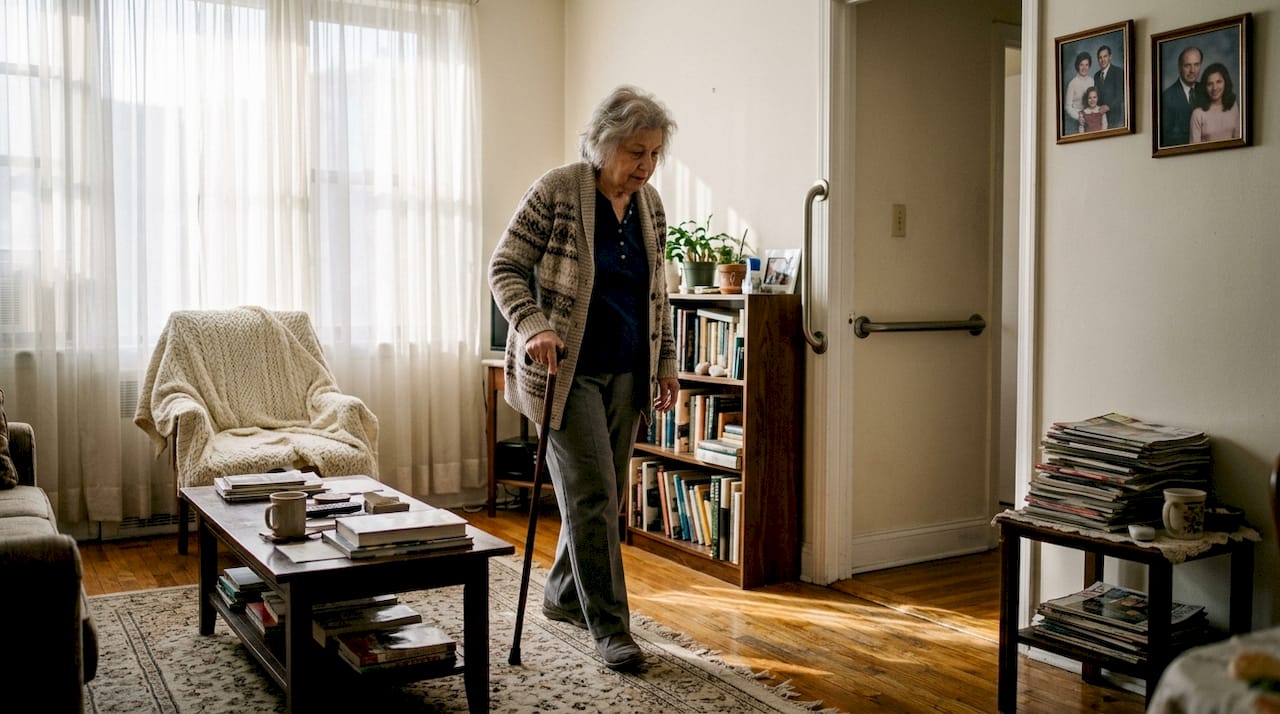
Supporting a senior family member at home in New York City brings unique rewards and real challenges. Between navigating crowded boroughs, coordinating healthcare appointments, and managing daily routines in small living spaces, NYC caregivers juggle complex logistics alongside emotional demands. Safety modifications, consistent schedules, and knowing where to find local resources make the difference between overwhelm and confidence. This guide walks you through practical steps to create a secure environment, establish helpful routines, access city programs, and protect your own well-being while caring for your loved one at home.
Table of Contents
Key Takeaways
Point | Details |
Safe home modifications | Modifying the home reduces fall risks by removing hazards and adding safety features. |
Consistent daily routines | Establishing regular meals, medications, activity, and rest supports well being and reduces anxiety. |
NYC resources access | New York City offers case management and support services that help families coordinate care and access local programs. |
Caregiver self care | Caregiver self care is essential to prevent burnout and maintain the ability to provide consistent support. |
Start services part time | Starting services part time helps seniors adjust gradually while families learn routines and build trust. |
Creating a safe and supportive home environment
Falls represent the leading cause of injury among older adults, making home safety modifications your first priority. Start by walking through each room with fresh eyes, looking for hazards your loved one encounters daily. Loose area rugs, electrical cords across walkways, and cluttered hallways create unnecessary risks that simple changes eliminate.
Create a safe home environment by removing trip hazards, installing grab bars, improving lighting, and using non-slip mats to prevent falls. Bathrooms demand special attention since wet surfaces amplify danger. Mount grab bars beside toilets and inside showers at heights your senior can comfortably reach. Replace slippery bathmats with textured non-slip versions that stay firmly in place. Consider a shower chair if standing balance poses challenges.
Lighting makes a dramatic difference in fall prevention. Hallways, staircases, and entryways need bright overhead fixtures plus nightlights for safe navigation after dark. Motion-sensor lights work beautifully in NYC apartments where switches sit far from doorways. Replace dim bulbs with brighter LED options that illuminate obstacles clearly without harsh glare.
Stairways require sturdy handrails on both sides when possible. Ensure each step has non-slip treads and consistent height. Mark the top and bottom steps with contrasting tape so your loved one sees exactly where stairs begin and end. In multi-story buildings without elevators, discuss whether bedroom relocation to a lower floor makes practical sense.
Kitchen safety involves organizing frequently used items at waist height to eliminate risky reaching and bending. Store heavy pots on lower shelves. Keep step stools out of the equation entirely. Check that appliances have automatic shutoff features, especially stoves and coffee makers. Install lever-style faucet handles that require less grip strength than traditional knobs.
Pro Tip: Take photos of each room before making changes, then involve your senior in reviewing modification plans. This collaboration respects their autonomy while addressing safety concerns, increasing acceptance of necessary updates.
“The best safety modifications feel invisible to daily life while dramatically reducing injury risk. When seniors participate in planning, they view changes as helpful tools rather than limitations.”
Document all modifications in a simple checklist you can share with other family members or professional caregivers. Review the environment quarterly as mobility or vision changes, adjusting supports accordingly. Supportive home services can help identify additional safety needs specific to your loved one’s condition. A safe foundation enables the consistent routines that promote well-being and independence.
Establishing effective daily routines for seniors
Consistent daily routines provide seniors with predictability that reduces anxiety and supports better health outcomes. Structure helps manage medications correctly, maintains nutrition, and creates natural opportunities for physical activity and social connection. Establish daily routines including regular meals, medications, physical activity, rest, and social interaction to promote security.
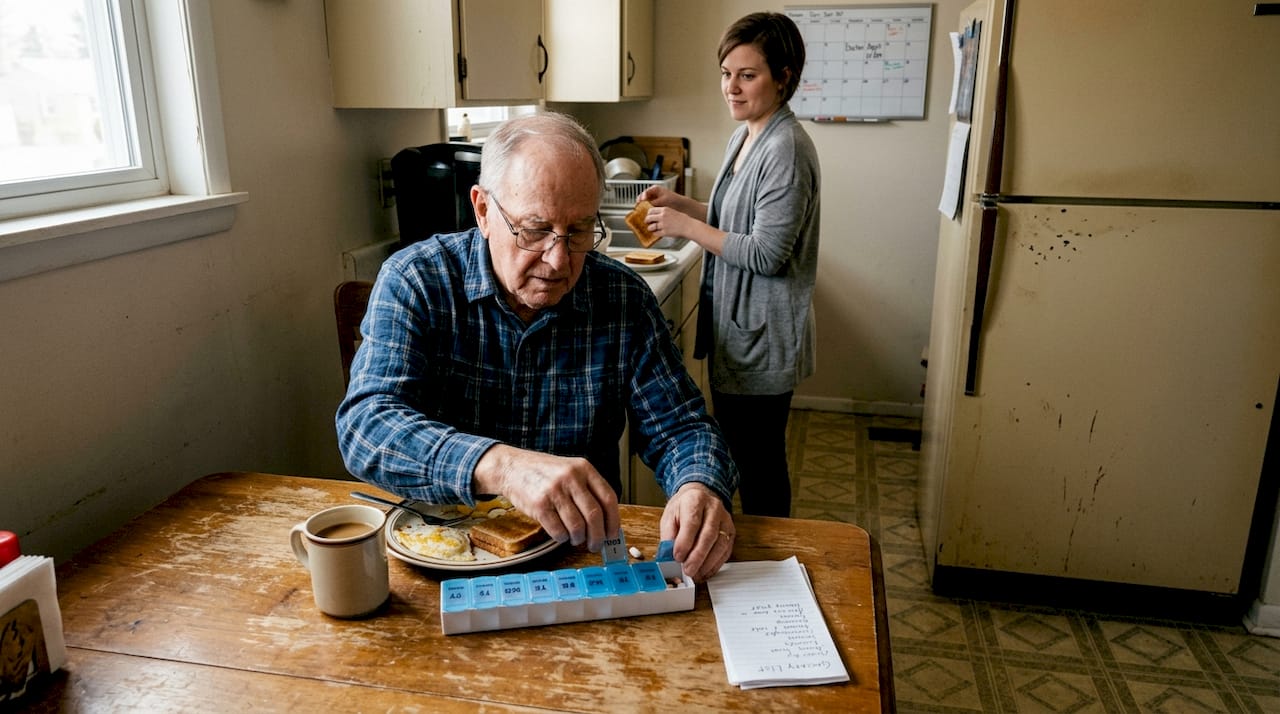
Meal schedules anchor the day with familiar rhythms. Plan breakfast, lunch, and dinner at consistent times, even if portion sizes vary. Prepare favorite foods that meet dietary restrictions while honoring cultural preferences common in NYC’s diverse communities. Keep healthy snacks visible and accessible between meals. Hydration matters equally, so establish regular water or tea breaks throughout the day.
Medication management requires foolproof systems since missed or doubled doses create serious risks. Use clearly labeled pill organizers sorted by day and time. Set phone alarms as reminders for both you and your loved one. Keep an updated medication list including dosages, prescribing doctors, and pharmacy contacts posted where caregivers can quickly reference it. Schedule refills before supplies run low to avoid gaps.
Physical activity maintains strength, balance, and mood. Tailor exercise to current abilities, whether that means walking around the block, chair yoga, or simple stretching. Morning movement energizes the day, while gentle evening activity promotes better sleep. Even 10 minutes of purposeful movement delivers benefits. Consult healthcare providers about appropriate activities for specific conditions.
Rest periods prevent fatigue and allow the body to recover. Build in quiet time after lunch and before dinner when energy naturally dips. Encourage consistent bedtime and wake-up times to regulate sleep cycles. Limit screen time before bed and create a calm bedroom environment with comfortable temperature and minimal noise.
Social interaction combats isolation, a significant concern for NYC seniors who may have limited mobility or transportation challenges. Schedule regular video calls with distant family, invite friends for tea, or arrange participation in senior center programs. Even brief conversations with neighbors or delivery workers provide valuable human connection. Compassionate care practices emphasize relationship building as essential to quality of life.
Involve your senior in planning their ideal daily schedule, asking about preferred meal times and favorite activities
Write the routine down and post it visibly so everyone follows the same structure
Build flexibility into the schedule for medical appointments, family visits, or spontaneous outings
Review and adjust routines monthly based on what works well and what creates stress
Celebrate small wins when new routines stick, reinforcing positive habits
Pro Tip: Use visual cues like a large wall calendar with pictures or color coding to help seniors track their daily routines independently, promoting dignity and reducing repeated questions.
When life circumstances change, adapt routines gradually rather than overhauling everything at once. Small adjustments feel manageable while complete disruptions trigger resistance and confusion. Routines rely on appropriate services and support to function smoothly, making it essential to understand available resources.
Accessing home care and support services in New York City
New York City offers multiple pathways to home care assistance, though navigating the system requires patience and persistence. NYC DFTA offers case management for those 60+ with functional limitations, authorizing home care, meals, friendly visiting; eligibility requires no other resources and cost-sharing based on income. Understanding which programs fit your situation saves time and frustration.
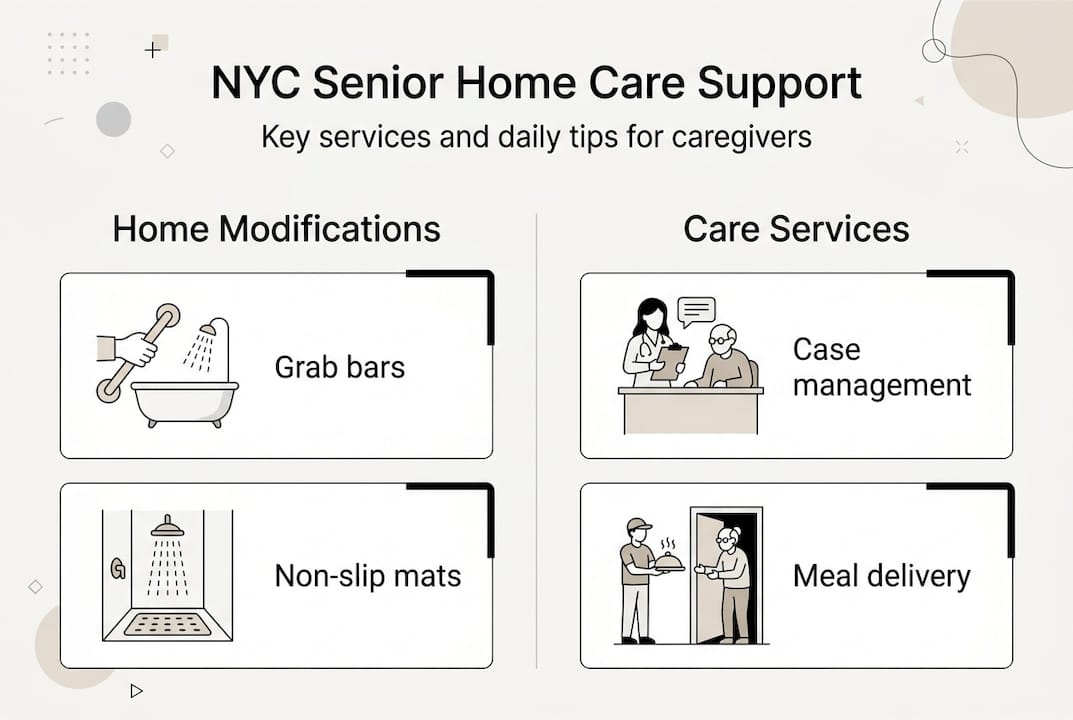
The Department for the Aging provides case management services for New Yorkers 60 and older who have functional limitations affecting daily living. Case managers assess needs and authorize services including home delivered meals, personal care assistance, and friendly visiting programs. Eligibility focuses on those without other available resources, with cost sharing calculated based on household income. Contact your local borough office to request an assessment.
NY Connects serves as the statewide entry point for long-term services and supports information. Call 800-342-9871 to speak with specialists who explain available programs, eligibility requirements, and application processes. They coordinate across multiple agencies to connect you with appropriate resources based on your specific circumstances. This single contact point simplifies what otherwise feels like an overwhelming maze of disconnected services.
Program | Services Offered | Eligibility | Contact |
DFTA Case Management | Home care, meals, friendly visiting | 60+, functional limits, income-based | Local borough DFTA office |
NY Connects | Information, referrals, coordination | All ages, all needs | 800-342-9871 |
Medicaid CDPAP | Consumer-directed personal assistance | Medicaid eligible, self-directing | Local Medicaid office |
MLTC Plans | Managed long-term care services | Medicaid eligible, chronic needs | Plan enrollment line |
Medicaid programs including Consumer Directed Personal Assistance and Managed Long Term Care provide extensive home care for eligible individuals. CDPAP allows you to hire and direct your own caregiver, including family members in some cases. MLTC plans coordinate comprehensive services through managed care organizations. Both require Medicaid eligibility and assessment showing need for ongoing assistance.
Private home care agencies offer flexible services for families who don’t qualify for public programs or need care beyond what programs authorize. Home care workflow varies by provider, so research licensed agencies carefully. Verify credentials, read reviews from NYC families, and interview potential caregivers before committing.
Starting the application process:
Gather documentation including proof of age, income statements, medical records, and insurance cards
Schedule an assessment appointment promptly since waitlists exist for popular programs
Prepare a clear description of daily challenges your loved one faces and assistance needed
Ask about appeal processes if initial eligibility decisions seem incorrect
Follow up regularly on application status rather than waiting passively for responses
Waitlists and service gaps reflect high demand as NYC’s senior population grows. The 2025 State of Older New Yorkers report highlights that nearly half of older adults serve as caregivers themselves, stretching available resources thin. Plan ahead whenever possible rather than waiting for crisis situations to force rushed decisions. Starting home care services proactively gives you time to explore options thoroughly and make informed choices that truly fit your family’s needs and values. Even with excellent services in place, sustaining caregiving long-term demands attention to your own well-being.
Supporting caregiver well-being to prevent burnout
Caregiving demands physical stamina, emotional resilience, and mental energy that deplete quickly without deliberate self-care. Recognizing burnout early and taking action protects both you and your loved one. Support caregiver well-being to prevent burnout: use respite care, support groups via NYC Aging, prioritize self-care.
Burnout symptoms often creep up gradually:
Persistent exhaustion that sleep doesn’t relieve
Irritability or anger toward your loved one over minor issues
Withdrawal from friends, hobbies, or activities you previously enjoyed
Frequent illness as stress weakens your immune system
Feeling hopeless or trapped in your caregiving role
Difficulty concentrating or making decisions
Respite care provides temporary relief so you can rest, handle personal business, or simply breathe. NYC Aging coordinates respite programs including in-home care for several hours, adult day programs, and short-term residential stays. Call 311 and ask for caregiver respite services to learn about options in your borough. Even a few hours weekly makes a measurable difference in preventing complete exhaustion.
Support groups connect you with others navigating similar challenges. Sharing experiences, strategies, and frustrations with people who truly understand reduces isolation and provides practical tips you won’t find in books. NYC Aging facilitates caregiver support groups throughout all five boroughs. Call 311 to find groups meeting near you, including virtual options if transportation or scheduling poses barriers.
Pro Tip: Schedule respite care and support group attendance on your calendar as non-negotiable appointments, just like medical visits. Treating self-care as mandatory rather than optional ensures it actually happens.
Daily self-care practices sustain you between formal respite periods. Protect your sleep by maintaining consistent bedtime routines. Eat nutritious meals rather than grabbing whatever’s quickest. Move your body regularly, even if just a 10-minute walk around the block. Stay connected to at least one friend who listens without judgment. Consider therapy for caregivers if emotional strain feels overwhelming.
“Seeking help demonstrates strength and wisdom, not weakness or failure. The most effective caregivers recognize their limits and build support systems before reaching crisis points.”
Set realistic expectations about what you can accomplish alone. Delegate tasks to other family members, even if they don’t execute exactly as you would. Accept that some days will go smoothly while others feel chaotic. Perfectionism increases stress without improving outcomes. Compassionate caregiving extends to yourself as much as your loved one.
Financial stress compounds caregiver burden when employment conflicts with care responsibilities. Explore workplace flexibility options, family leave policies, or reduced hours if full-time work becomes unsustainable. Research financial assistance programs that offset caregiving costs. Plan for long-term sustainability rather than sprinting toward burnout.
Recognize when professional support becomes necessary rather than optional. If your health deteriorates, relationships suffer significantly, or you feel consistently overwhelmed despite self-care efforts, increasing formal services protects everyone involved. Sustained caregiving requires a village, not a solo superhero. Your well-being directly impacts the quality of care your loved one receives, making self-preservation essential rather than selfish.
Discover personalized home care services in New York City
When family caregiving reaches its natural limits, professional support offers a sustainable path forward. Friendly Home Care provides personalized home health services throughout New York City and Westchester County, delivering the compassionate assistance your loved one deserves while giving you essential relief. Licensed by the New York State Department of Health and accredited by The Joint Commission, the agency brings trained, screened caregivers who understand the unique needs of NYC seniors and families.
Compassionate home health care includes personal care assistance, help with daily activities, companionship, mobility support, medication reminders, and post-hospital care tailored to each client’s specific situation. Multilingual aides ensure clear communication across Brooklyn, Queens, Manhattan, the Bronx, and Staten Island’s diverse communities. Whether you need a few hours weekly or full-time support, flexible care plans adapt as circumstances change. Explore how to start home care services and discover how professional partnership complements your family’s efforts, helping your loved one age safely at home with dignity.
Frequently asked questions
What are the first steps to prepare a home for an aging family member?
Start by removing trip hazards like loose rugs and clutter, then install grab bars in bathrooms and improve lighting throughout the home. Walk through each room identifying risks specific to your loved one’s mobility and vision limitations. Involve them in planning modifications to ensure changes feel supportive rather than restrictive.
How can I help my senior loved one maintain daily routines?
Establish consistent times for meals, medications, physical activity, rest, and social interaction, then write the schedule down visibly. Use pill organizers and phone alarms for medication reminders. Build flexibility for appointments while maintaining core structure that provides security and predictability.
What NYC programs offer home care assistance for seniors?
NYC Department for the Aging provides case management for those 60 and older with functional limitations, authorizing home care, meals, and visiting services based on income. NY Connects at 800-342-9871 coordinates statewide resources and explains eligibility. Medicaid programs including CDPAP and MLTC offer extensive services for eligible individuals with chronic needs.
How do I know if I’m experiencing caregiver burnout?
Watch for persistent exhaustion, irritability toward your loved one, withdrawal from activities you enjoyed, frequent illness, and feelings of hopelessness. Physical symptoms often appear before emotional awareness. If you recognize multiple signs, contact NYC Aging at 311 for respite care and support group information immediately.
How can families smoothly transition seniors to professional home care?
Start with part-time services allowing your loved one to build trust with caregivers gradually while maintaining family involvement. Introduce professional care as helpful support rather than replacement, emphasizing how it enables continued independence at home. Transitioning elderly loved ones works best when seniors participate in selecting caregivers and setting care preferences from the beginning.
Recommended