
Personal Care Checklist for Seniors: A Caregiver's Guide
TL;DR:
Caring for elderly loved ones at home requires a structured routine centered on Activities of Daily Living to ensure safety and dignity. A personalized checklist guides caregivers through hygiene tasks, supplies, and adaptations for conditions like dementia and incontinence. Building trust and proper training improve care quality, and professional support can help families implement effective routines.
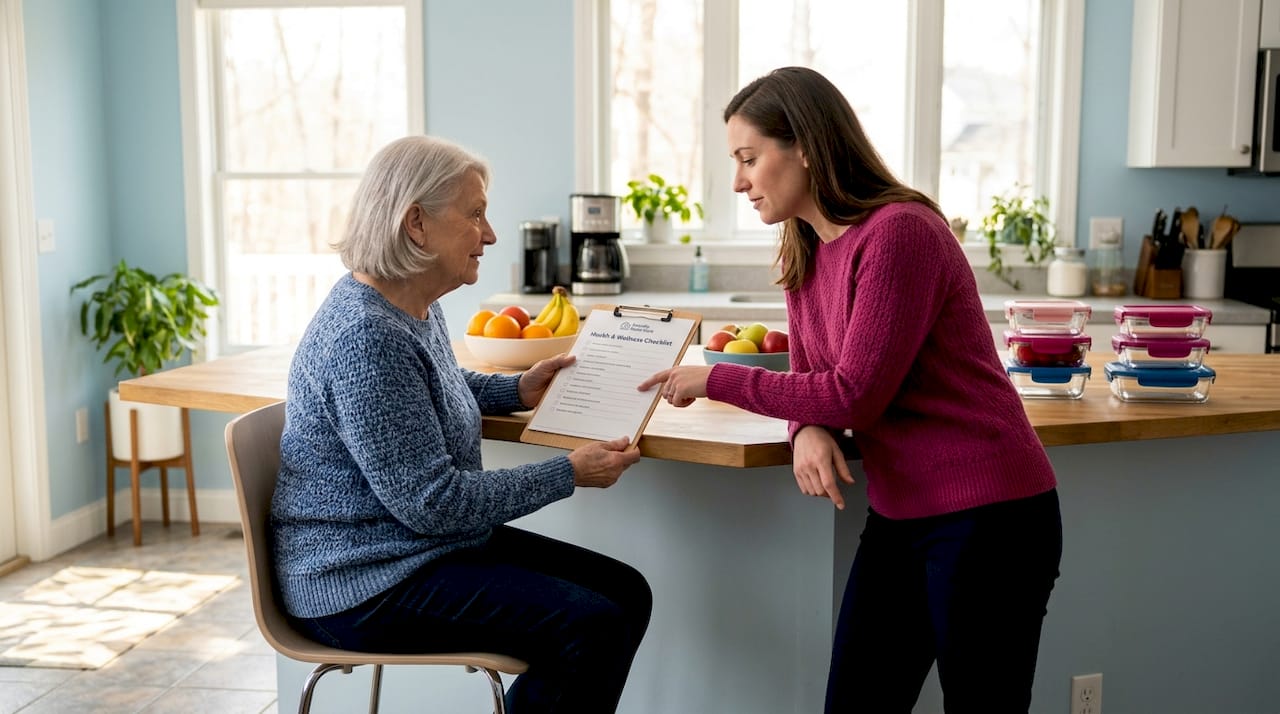
Caring for an elderly loved one at home means staying on top of dozens of small but significant tasks every single day. A well-structured personal care checklist takes the guesswork out of caregiving and helps you make sure nothing falls through the cracks, from morning hygiene to bedtime skin care. Based on the Activities of Daily Living (ADLs) framework used by professional home care providers, this guide gives families and caregivers a practical, adaptable checklist designed around safety, dignity, and real-world routines. Whether you are new to caregiving or looking to refine an existing approach, what follows is built for you.
Table of Contents
Key takeaways
Point | Details |
Build around ADLs | Organize every care task around hygiene-related Activities of Daily Living to create a consistent, trackable routine. |
Adapt to the individual | Adjust task frequency and technique based on the senior’s energy levels, mobility, and cognitive status. |
Dignity comes first | Allow seniors to do what they can independently, offering help only where truly needed to preserve self-respect. |
Document continence care | Record skin condition, leakage patterns, and product fit daily to support timely care plan adjustments. |
Match supplies to needs | Choose assistive equipment and cleansing products based on the senior’s specific physical and skin health requirements. |
1. Understanding the personal care checklist framework
Every solid personal care checklist for elderly individuals starts with one organizing principle: the Activities of Daily Living. ADLs are the foundational self-care tasks a person must perform to maintain basic health and function. For seniors receiving in-home care, hygiene-related ADLs include bathing, oral care, grooming, dressing, and toileting.
What makes this framework valuable is not just what it covers. It is how it forces caregivers to think about capability, not just task completion. A senior recovering from a hip replacement has different bathing needs than someone managing early-stage Parkinson’s. A checklist built around ADLs gives you the structure to account for those differences.
Pro Tip: Before building a checklist, spend one week observing which tasks your loved one can complete independently, which require prompting, and which require hands-on help. That assessment becomes the foundation of a truly personalized routine.
The ADL framework also helps families communicate clearly with professional caregivers and medical teams. When everyone is using the same language and tracking the same categories, care coordination becomes much smoother.
2. Core hygiene tasks every daily checklist should include
The heart of any elder care checklist is the daily hygiene list. These are the tasks that protect skin integrity, prevent infection, and support overall health. Here is what a thorough daily routine covers:
Bathing or sponge bath: Full baths may happen two to three times per week for many seniors, but a daily wash of face, underarms, and perineal area is standard practice.
Oral care: Brush teeth or clean dentures at least twice daily. Gum disease and oral bacteria are linked to serious systemic conditions in older adults.
Hair care: Brushing and washing hair maintains scalp health and supports the senior’s sense of self.
Nail care: Trim fingernails weekly and toenails monthly, or refer toenail care to a podiatrist if circulation issues are present.
Skin inspection: Check for redness, dryness, or early pressure sores, especially over bony prominences like heels and hips.
Dressing: Help with choosing weather-appropriate, easy-to-manage clothing that the senior can participate in selecting.
Toileting and continence care: Address toileting needs promptly and with privacy. Document any changes in continence patterns.
Adapting these tasks to the senior’s capabilities and dignity is not optional. It is the difference between care that feels supportive and care that feels humiliating. Always knock before entering, explain each step before you do it, and give the person as much control over the process as possible.
3. Step-by-step checklist for executing personal care tasks safely
Now let’s get specific. Here is a numbered task checklist caregivers can follow during daily personal care routines to maintain both safety and thoroughness.
Wash your hands before starting. The WHO’s 2026 hand hygiene guidelines emphasize embedding specific hand hygiene moments into care plans, including before touching a patient, before any clean or aseptic procedure, and after exposure to body fluids.
Gather all supplies before approaching the senior. Having everything ready reduces interruptions and minimizes the time a person spends undressed or in uncomfortable positions.
Check water temperature before bathing. Always test with your wrist or a thermometer. Elderly skin is more sensitive to heat and more prone to scalding.
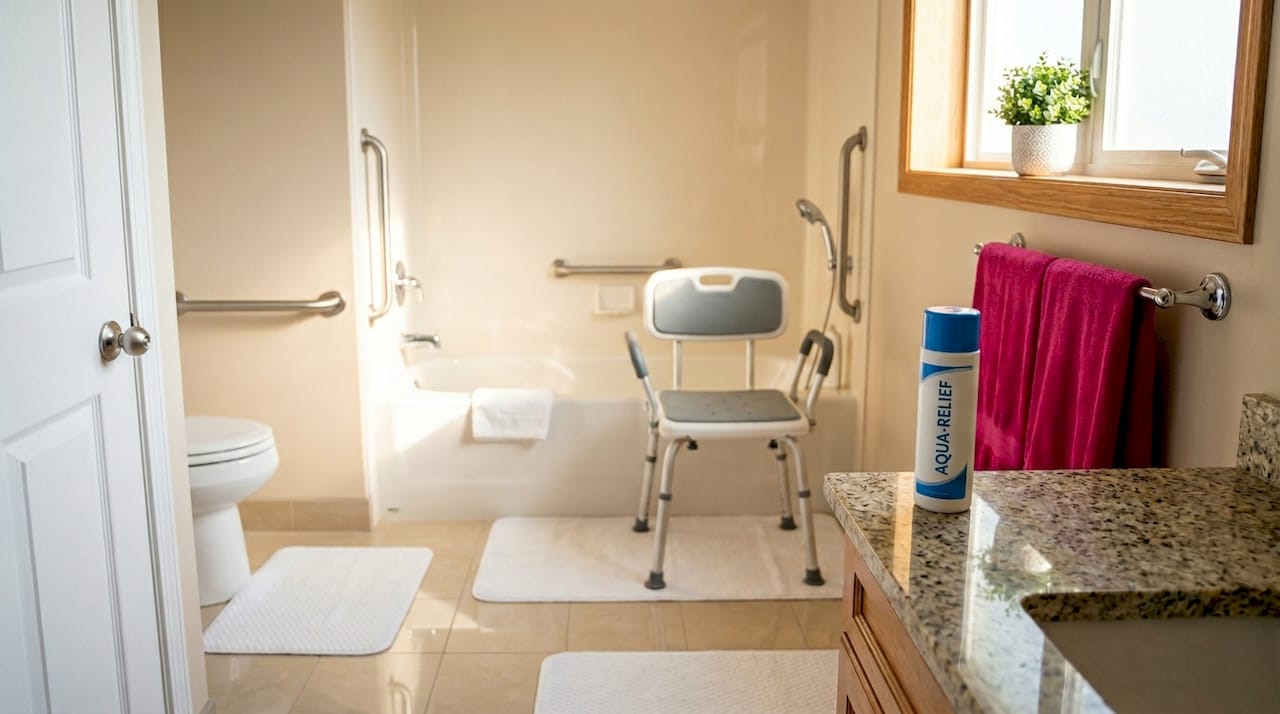
Use a shower chair or bench if standing is difficult. Pair this with a handheld showerhead so you can direct water precisely without requiring the senior to move unnecessarily.
Clean perineal areas last and with proper technique. Always wipe front to back and use a fresh cloth for each stroke to prevent bacterial transfer.
Apply barrier cream to high-risk skin areas. After drying, apply a moisture barrier product to the perineal area, inner thighs, and any skin folds to protect against moisture-associated skin damage.
Complete oral care with senior-appropriate tools. For seniors with limited grip strength or fine motor control, electric toothbrushes or foam-tipped brushes work well. Senior oral hygiene requires specific attention to gum recession, dry mouth, and denture fit.
Assist with dressing, starting with the weaker side. When dressing, put clothing onto the weaker or more limited side first. When undressing, remove from the stronger side first.
Inspect the skin during dressing. Look for redness, bruising, swelling, or any new marks. Note and report any findings.
Wash your hands again after completing care. This final hand hygiene step protects both the caregiver and the next person the caregiver will assist.
Pro Tip: Gentle therapeutic touches during hygiene routines, such as a brief hand massage with lotion or soft background music, can reduce anxiety and improve cooperation, particularly for seniors who resist personal care tasks.
4. Choosing the right supplies and equipment
The tools you use make a real difference in safety and comfort. Not all products are created equal, and choosing poorly can mean more friction during care or, worse, preventable skin damage. Here is a comparison of key supplies every caregiver should evaluate.
Product or Equipment | Benefit | Limitation | Best Used When |
No-rinse cleansing cream | Gentle on skin; protects skin barrier in incontinence care | More expensive than soap | Senior has incontinence or fragile skin |
Soap and water | Widely available; familiar to seniors | Can strip natural oils; requires rinsing | Senior has intact skin and good mobility |
Grab bars (wall-mounted) | Permanent stability support in bathroom | Requires installation; not portable | Bathroom modifications are approved |
Shower chair or bench | Reduces fall risk; supports fatigue | Takes up space; must be non-slip | Senior cannot stand for full shower duration |
Handheld showerhead | Precise water direction; reduces splashing | Requires one hand to operate | Senior uses shower chair or needs targeted rinsing |
Long-handled bath brush | Allows seniors to reach back and feet | Not suitable for very weak grip | Senior participates in own bathing with guidance |
Moisture barrier cream | Prevents skin breakdown in wet areas | Must be reapplied consistently | Continence care or any skin fold moisture risk |
A safe bathroom setup that combines grab bars, non-slip mats, a shower chair, and accessible supplies is one of the most effective investments a family can make for their loved one’s safety. If you are preparing a home for in-home care, our guide on home safety for seniors walks through every room in practical detail.
5. Adapting personal care routines for dementia and continence management
Standard checklists need real adjustments when a senior is living with dementia or managing incontinence. These two conditions require a more layered, individualized approach.
For seniors with dementia:
Keep the routine at the same time each day. Consistent timing and simple steps reduce confusion and resistance.
Use visual cues. Laying out a toothbrush with toothpaste on it can prompt the senior to begin brushing on their own.
Limit choices to two options at most. “Do you want the blue shirt or the green shirt?” works better than opening an entire closet.
Stay calm and narrate gently. If the senior becomes agitated, pause and try again in 15 to 20 minutes. Forcing care increases distress for everyone.
Create a calming environment. Reduce background noise, keep the room warm, and use a gentle tone throughout.
For continence care and skin protection:
Check and change incontinence products on a regular schedule, not just when the senior reports discomfort. Many seniors will not self-report.
Document leakage patterns, skin condition, and product fit daily. This kind of systematic documentation directly supports better clinical decision-making and faster escalation when specialist input is needed.
Use no-rinse cleansers for perineal hygiene rather than soap and water to avoid stripping protective skin oils.
Inspect skin at every change. Record any redness, breakdown, or odor. Early detection prevents infections that can quickly become serious in older adults.
Know when to escalate. If skin breakdown, persistent leakage, or signs of urinary tract infection appear, contact the care team or physician promptly. The continence care pathway includes specialist hospital and community services that families should not hesitate to access.
Understanding why seniors need daily help with tasks like these goes a long way in building patience and realistic expectations.
What I’ve learned from real caregiving situations
I’ve spent years working closely with families across New York who are stepping into the caregiver role for the first time. The one thing I see catch people off guard every time is how much the relationship between caregiver and senior shapes the success of a care routine. A checklist is only as good as the trust built around it.
In my experience, families that struggle most are those who treat the checklist as a script. They go down the list mechanically, and their loved one resists or withdraws. The families that succeed treat the list as a safety net, not a schedule. They know what needs to happen, but they read the senior’s mood and energy and adjust the order and pace accordingly.
I’ve also seen how dignity gets sacrificed unintentionally. A well-meaning caregiver rushing through a bath because “we’re behind” creates shame and resistance that makes every future care session harder. Slowing down, even by five minutes, changes the entire dynamic. One thing I tell every family I work with: if the senior is cooperating and communicating, you’re doing it right, regardless of what the clock says.
Finally, training matters more than most families realize. Learning the right transfer technique or how to properly position someone in a shower chair is not something you should figure out on the fly. Getting even a single session of hands-on guidance from a professional caregiver can prevent injuries on both sides and make the whole routine safer.
— Brigid
How Friendlyhomecareny supports your family’s personal care needs
At Friendlyhomecareny, we know that a well-written checklist is just the beginning. Putting it into practice every day, with patience, skill, and sensitivity, is where families often need real support. Our trained caregivers provide personalized home health services that cover every aspect of personal care assistance, including bathing, dressing, grooming, continence care, and skin inspection.
We serve families across Brooklyn, Queens, Manhattan, the Bronx, Staten Island, and Westchester County. Our multilingual team means clear communication for seniors and families of all backgrounds. Every caregiver is screened, trained, and supervised to meet the standards of a Joint Commission-accredited agency licensed by the NYS Department of Health.
If you are ready to build a care plan for your loved one, we are here to help you take the next step. Contact Friendlyhomecareny today to schedule a consultation.
FAQ
What is a personal care checklist for elderly individuals?
A personal care checklist is a structured list of hygiene and self-care tasks organized around Activities of Daily Living, including bathing, oral care, grooming, dressing, and toileting, used by caregivers to track daily completion and maintain safety.
How often should seniors bathe?
Most seniors benefit from a full bath two to three times per week, with daily washing of the face, underarms, and perineal area. Frequency should be adjusted based on skin condition, mobility, and personal preference.
What supplies are most important for elderly personal care at home?
Grab bars, a shower chair, a handheld showerhead, no-rinse cleansing cream, moisture barrier cream, and a long-handled bath brush are among the most useful items for safe, effective personal care at home.
How do you provide personal care for a senior with dementia?
Use consistent timing, simple step-by-step instructions, and visual cues to reduce confusion. Limit choices, stay calm, and pause if the senior becomes agitated rather than pushing through resistance.
When should continence care concerns be escalated?
Contact a physician or care specialist if you observe persistent skin breakdown, signs of urinary tract infection, or significant changes in leakage patterns. Daily documentation of skin condition and product fit helps support timely escalation.
Recommended