
The Role of Caregivers: Responsibilities and Impact
TL;DR:
Caregivers provide essential physical, emotional, and medical support to individuals unable to manage daily activities independently. They perform a wide range of tasks, from personal care to healthcare coordination, often balancing emotional and physical strain while facing administrative burdens. Recognizing and supporting their vital role is crucial for improving healthcare outcomes and caregiver well-being.
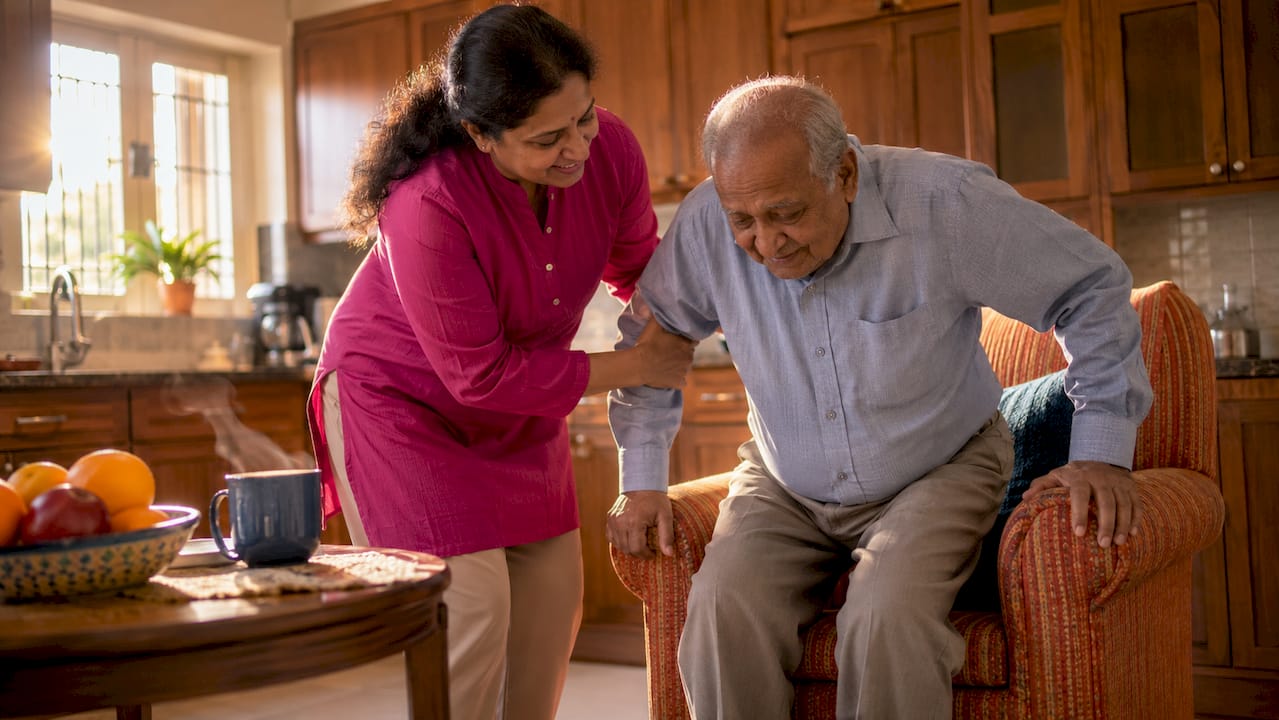
Caregivers are defined as individuals who provide physical, emotional, logistical, and advocacy support to people who cannot fully manage daily life on their own due to age, illness, or disability. The role of caregivers spans everything from bathing and medication reminders to coordinating specialist appointments and navigating insurance claims. According to AARP, 59 million family caregivers in the U.S. provided 49.5 billion hours of unpaid care in 2024, with an economic value exceeding $1 trillion. That figure tells you something important: caregiving is not a supplemental service. It is a foundational pillar of the American healthcare system, and understanding what caregivers actually do is the first step toward supporting them well.
What is the role of caregivers day to day?
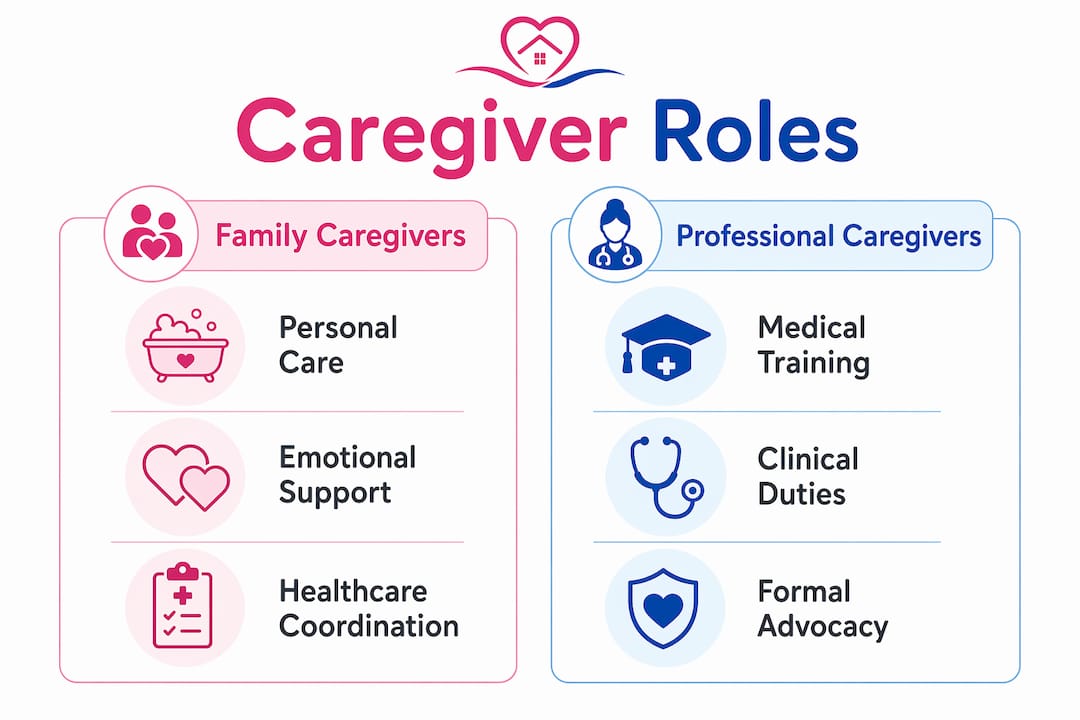
The caregiver role, formally described in healthcare settings as “informal caregiving” or “family caregiving,” covers two distinct categories of tasks: Activities of Daily Living (ADLs) and Instrumental Activities of Daily Living (IADLs). ADLs are the most personal tasks, including bathing, dressing, grooming, toileting, and transferring from bed to chair. IADLs are broader and include managing medications, preparing meals, handling finances, arranging transportation, and coordinating medical appointments.
The table below shows how these responsibilities break down across three core domains:
Task Category | Examples | Who Typically Performs |
ADLs (personal care) | Bathing, dressing, grooming, toileting | Family caregivers, home health aides |
IADLs (household and logistics) | Meal prep, medication reminders, transportation | Family caregivers, professional aides |
Medical and advocacy tasks | Symptom reporting, insurance navigation, care coordination | Family caregivers, social workers, nurses |
Research on oncology caregivers identifies five core caregiving roles: hands-on symptom management, emotional support, promoting self-care, symptom reporting, and advocacy. Each role demands a different skill set, and most caregivers perform all five simultaneously. A personal care checklist can help family members organize these tasks and avoid gaps in daily coverage.
Pro Tip: Always balance direct assistance with respect for the care recipient’s autonomy. Doing everything for someone can reduce their sense of independence and well-being, even when the intention is purely helpful.
How do caregiving roles differ by setting and caregiver type?
Not all caregivers operate under the same conditions. The gap between unpaid family caregivers and paid professional caregivers is wide, and the setting, whether urban or rural, shapes the demands placed on both groups.
Family caregivers typically step into the role gradually, often without formal training. A Pew Research study found that 68% of adults caring for aging parents provide regular help with errands, medical appointments, finances, and personal care. That breadth of responsibility is rarely anticipated at the start. Professional caregivers, by contrast, are trained, screened, and assigned specific duties within a structured care plan, which limits role ambiguity and reduces the risk of burnout.
Rural caregivers face a distinct set of pressures. Research published in the Rural and Remote Health journal shows that rural caregivers act as de facto healthcare workforce extensions, managing telehealth facilitation, multi-provider coordination, and bridging infrastructure gaps that urban families rarely encounter. A rural caregiver might spend an afternoon helping a loved one connect to a telehealth appointment, then drive two hours to pick up a prescription, then call three different specialists to align on a care plan. That is a full workday before any personal care tasks begin.
Caregiver Context | Key Responsibilities | Unique Pressures |
Urban family caregiver | ADLs, IADLs, appointment coordination | Time constraints, cost of professional support |
Rural family caregiver | All of the above plus telehealth facilitation, multi-provider coordination | Geographic isolation, limited local services |
Professional caregiver (urban) | Structured ADL and IADL support per care plan | Caseload volume, documentation requirements |
Professional caregiver (rural) | Broader scope, often covering clinical gaps | Travel time, limited backup resources |
The administrative side of caregiving is often underestimated. Caregivers who handle healthcare interactions like insurance claims, referrals, and care transitions spend over three times the monthly caregiving hours compared to those who do not. That is not a small difference. It means administrative tasks can easily consume more time than hands-on physical care.
What are the emotional and physical impacts on caregivers?
Caregiving takes a measurable toll on the people providing it. The same Pew Research data shows that 39% of caregivers report their personal well-being is negatively affected by their caregiving responsibilities. That number reflects stress, sleep disruption, social isolation, and in many cases, delayed medical care for the caregiver themselves.
The most common signs of caregiver strain include:
Persistent fatigue that does not improve with rest
Withdrawal from friends, family, or personal interests
Increased irritability or feelings of resentment toward the care recipient
Neglecting personal health appointments or medications
Feeling trapped or without options
Emotional support is a core part of the caregiver role, but it is also one of the most draining. Without professional involvement from social workers, counselors, or respite care services, caregivers absorb emotional weight that compounds over time. The National Senior Care Authority notes that burnout often goes unnoticed until it reaches an advanced stage, particularly when caregivers are managing 10 or more medications daily for their loved one.
Pro Tip: If you are coordinating care for a loved one, schedule a check-in with your own primary care physician every six months. Early identification of caregiver stress by a general practitioner can reduce the risk of full burnout before it starts.
General practitioners play a direct role here. Research confirms that early GP guidance can alert caregivers to illness progression and connect them to support services before overload sets in. Respite care, caregiver support groups, and professional home care services are all tools that reduce the burden before it becomes a crisis.
How do caregivers shape healthcare outcomes and patient advocacy?
Caregivers are not passive bystanders in a patient’s medical care. They are active participants who observe symptoms daily, communicate with clinicians, manage medications, and make decisions that directly affect health outcomes. The role of caregiver in recovery is especially pronounced after hospitalizations, when consistent monitoring and follow-through on discharge instructions can determine whether a patient recovers at home or returns to the emergency room.
The specific ways caregivers contribute to healthcare outcomes include:
Symptom tracking: Caregivers observe changes in behavior, appetite, pain levels, and mobility that a patient may not report or even notice themselves.
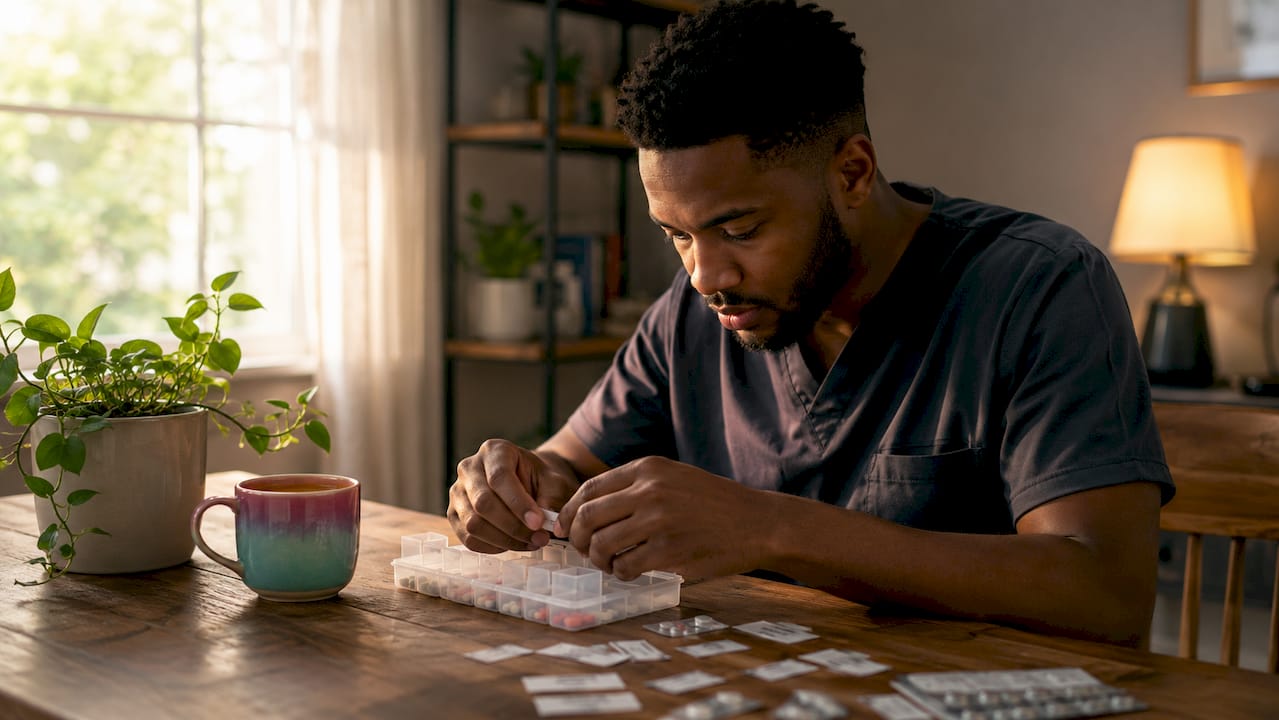
Medication management: Tracking multiple prescriptions, refill schedules, and drug interactions is a clinical task that falls to caregivers in most home settings.
Appointment coordination: Scheduling, transporting, and preparing a patient for specialist visits requires logistical effort that directly affects continuity of care.
Insurance and referral navigation: Caregivers who manage healthcare interactions like prior authorizations and referrals take on administrative work that would otherwise fall to the patient alone.
Advocacy in clinical settings: Caregivers speak up when a patient cannot, ask questions, and push for second opinions when needed.
There is a documented gap between how clinicians and caregivers perceive these roles. Clinicians tend to view caregivers primarily as symptom reporters and advocates, while caregivers see themselves as central to day-to-day management. That gap matters because it can lead to under-support. When a clinician does not fully recognize the scope of what a caregiver manages at home, they are less likely to offer resources, referrals, or relief. Caregivers who proactively describe their daily workload to medical providers get better support. Bring a written summary to appointments. It changes the conversation.
For families in New York City, understanding how to support seniors at home is a practical starting point for building a care plan that accounts for both the patient’s needs and the caregiver’s limits.
Key takeaways
Effective caregiving requires balancing physical assistance, emotional support, medical coordination, and advocacy while actively protecting the caregiver’s own health and sustainability.
Point | Details |
Caregiving scope is vast | Family caregivers provide ADLs, IADLs, medical coordination, and advocacy simultaneously. |
Administrative burden is underestimated | Caregivers handling insurance and referrals spend three times more hours monthly than those who do not. |
Rural caregivers carry extra weight | Geographic isolation forces rural caregivers to fill healthcare system gaps that urban families rarely face. |
Burnout builds silently | Most caregivers do not recognize high-intensity overload until it has already affected their health. |
Clinician-caregiver alignment matters | Proactively sharing daily care details with medical providers leads to better support and resources. |
What i have learned watching caregiving roles evolve
I have spent years working alongside families navigating the caregiving process, and the pattern I see most often surprises people: no one plans to become a high-intensity caregiver. It starts with driving a parent to one appointment. Then it is two appointments. Then it is managing five medications, coordinating home therapy, and fielding calls from three different specialists. By the time a family realizes they are in deep, they have been in deep for months.
The threshold between light support and high-intensity care is rarely obvious while you are crossing it. That is the uncomfortable truth most caregiving guides skip over. Families need to name that threshold out loud and check in regularly about whether the current arrangement is still sustainable.
The other thing I would push back on is the idea that asking for professional help is a sign of failure. It is the opposite. Bringing in a trained caregiver, even part-time, protects the quality of care the loved one receives and protects the family caregiver from a breakdown that helps no one. The role of family in home care does not disappear when a professional joins the team. It shifts into something more sustainable.
Caregivers are the backbone of the healthcare system. They deserve to be treated that way, by clinicians, by policy, and by themselves.
— Brigid
How Friendlyhomecareny supports caregivers and families in NYC
Friendlyhomecareny understands that family caregivers cannot do everything alone, and they should not have to. As a licensed and accredited home healthcare agency serving Brooklyn, Queens, Manhattan, the Bronx, Staten Island, and Westchester County, Friendlyhomecareny provides trained, multilingual home health aides who handle personal care, meal preparation, medication reminders, companionship, and mobility support. Every care plan is customized to the individual client’s needs, so professional support fits alongside whatever the family is already providing. If you are ready to explore how professional in-home care can reduce the pressure on your family, visit the home health services page to learn what Friendlyhomecareny offers and schedule a consultation.
FAQ
What does a caregiver do every day?
A caregiver assists with personal care tasks like bathing and dressing, manages medications, prepares meals, coordinates medical appointments, and provides emotional support. The specific duties depend on the care recipient’s condition and level of need.
What is the difference between a family caregiver and a professional caregiver?
Family caregivers are unpaid relatives or friends who provide support informally, often without training. Professional caregivers are trained, screened, and employed through agencies like Friendlyhomecareny to deliver structured, consistent care under a formal plan.
How does caregiving affect the caregiver’s health?
Research from Pew shows that 39% of caregivers report their personal well-being is negatively affected by their role. Common effects include fatigue, social isolation, and delayed personal medical care.
Why is the caregiver role important in patient recovery?
Caregivers monitor symptoms, manage medications, and follow through on discharge instructions after hospitalizations. Consistent home support directly reduces the risk of hospital readmission and supports faster recovery.
When should a family consider professional home care support?
Families should consider professional support when caregiving hours increase significantly, when medical tasks exceed the caregiver’s training, or when the caregiver shows signs of burnout. Early GP guidance can help identify this point before a crisis occurs.
Recommended