
What is safe home care in NYC: a 2026 family guide
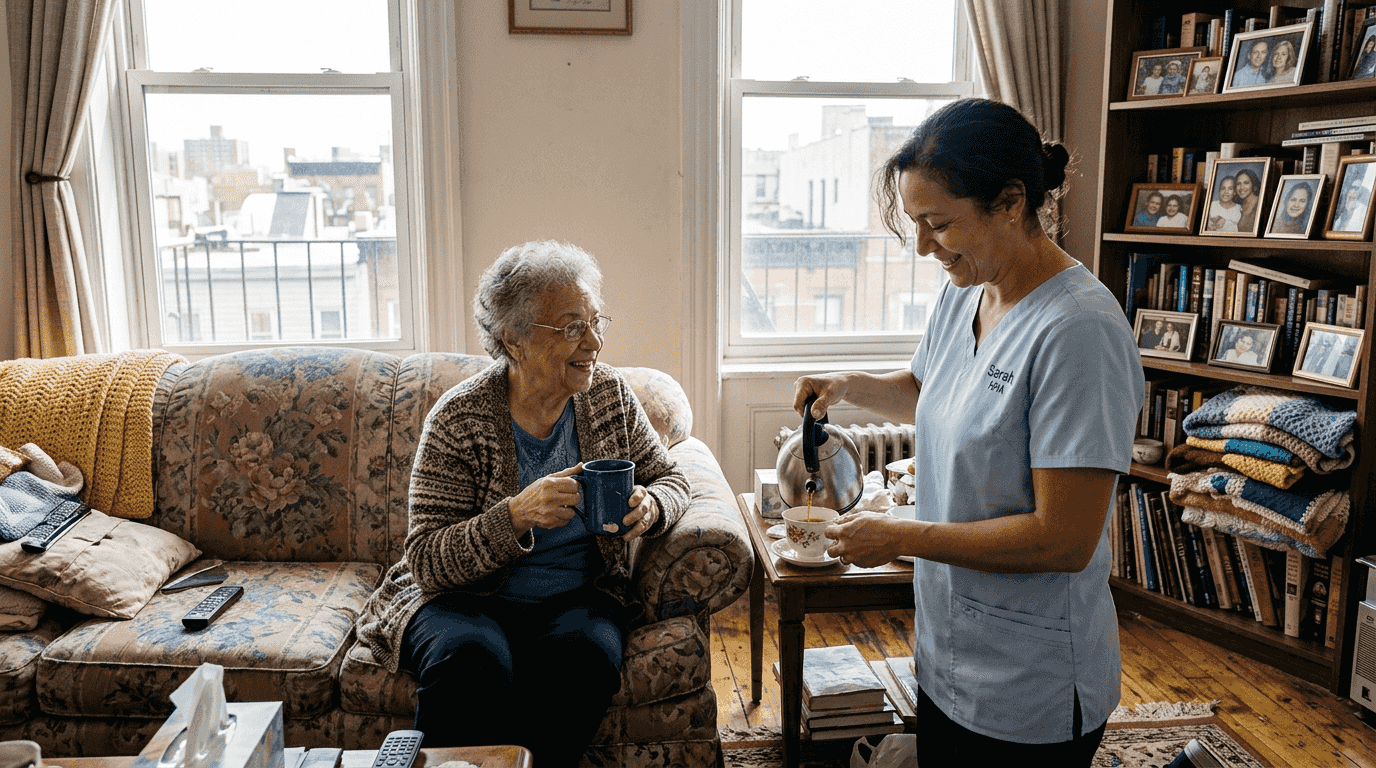
Many families assume hiring any caregiver equals safe home care, but in New York City, true safety demands licensed agencies, trained personnel, and strict regulatory compliance. Urban environments introduce unique hazards like narrow stairwells and emergency access challenges, making professional standards even more critical. This guide clarifies what defines safe home care for NYC seniors, explains the legal framework protecting your loved ones, and provides actionable steps to secure compliant, personalized services. Whether you’re managing care in Brooklyn, Manhattan, or the Bronx, understanding these essentials helps you make informed decisions that prioritize safety and dignity.
Table of Contents
Key takeaways
Point | Details |
Licensing requirements | NYC mandates Licensed Home Care Services Agencies follow strict patient rights, supervision, and training standards for legal compliance. |
Care duration and coverage | Most seniors require licensed aide services for approximately three years, with Medicaid and MLTC covering eligible individuals. |
Personnel qualifications | Safe home care relies on trained Home Health Aides, Personal Care Aides, and registered nurses delivering individualized support. |
Emergency preparedness | Families must create emergency plans and verify caregiver training in infection control and crisis response protocols. |
Urban safety challenges | Dense NYC environments amplify fall risks but also provide quick access to vetted providers and emergency resources. |
Understanding safe home care regulations in New York City
New York City enforces some of the nation’s most rigorous home care regulations to protect vulnerable seniors receiving in-home services. At the foundation sits the Licensed Home Care Services Agency system, which requires all providers to meet comprehensive standards before serving clients. These agencies must comply with NY Public Health Law §3605 and 10 NYCRR Part 766, establishing mandatory patient rights, clinical supervision protocols, and personnel training requirements that distinguish legitimate providers from unlicensed alternatives.
Every LHCSA must maintain a registered nurse supervisor who conducts regular patient assessments and oversees care quality. This clinical oversight ensures caregivers follow individualized plans of care tailored to each senior’s medical conditions, mobility limitations, and personal preferences. The law mandates these plans be reviewed and updated as health status changes, preventing outdated care approaches that could compromise safety.
Key regulatory requirements include:
Comprehensive background checks and competency evaluations for all direct care staff
Mandatory training in infection control, emergency procedures, and patient rights
Regular quality monitoring through supervisory visits and patient satisfaction surveys
Detailed documentation of services provided and any incidents or changes in condition
Clear protocols for coordinating with physicians and other healthcare providers
These regulations create accountability structures that protect families from substandard care. When agencies follow state requirements, seniors receive consistent, professional support from trained personnel who understand both medical needs and safety protocols. For families navigating NYC’s complex care landscape, verifying LHCSA licensing becomes the essential first step in securing truly safe home care.
The regulatory framework also establishes clear patient rights, including the right to respectful treatment, privacy, participation in care planning, and freedom from abuse or neglect. Agencies must provide written notice of these rights and maintain procedures for addressing complaints or concerns. This legal protection gives families recourse if care quality falls short, adding another safety layer beyond basic service delivery.
Core features of safe home care services for seniors
Safe home care in NYC centers on three categories of trained professionals, each serving distinct roles in supporting senior independence. Personal Care Aides assist with activities of daily living like bathing, dressing, and meal preparation, focusing on non-medical personal support. Home Health Aides provide similar services plus basic healthcare tasks such as vital sign monitoring and medication reminders under nursing supervision. Registered nurses handle complex medical care including wound care, injections, and clinical assessments that require professional licensure.
Every senior receiving safe home care should have an individualized care plan developed through comprehensive assessment of medical conditions, functional abilities, cognitive status, and personal preferences. These plans specify exactly what services the caregiver will provide, when they’ll visit, and how to respond to changes in condition. The plan becomes a living document, updated as needs evolve, ensuring care remains appropriate and effective over time.
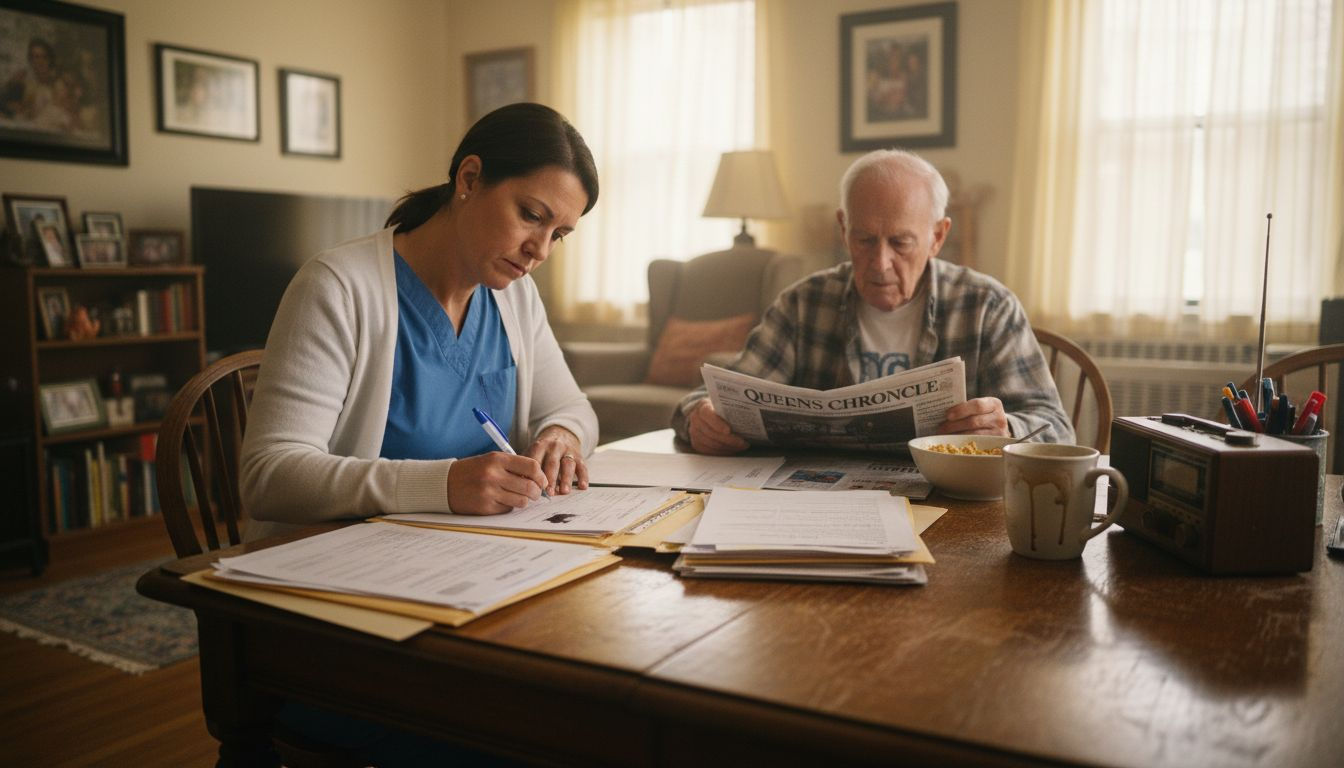
Most seniors need licensed PCA or HHA services for approximately three years, with many qualifying for Medicaid or Managed Long-Term Care coverage. These programs conduct functional assessments to determine eligibility based on limitations in activities of daily living. For families facing high private pay costs, understanding Medicaid pathways becomes crucial to sustaining long-term care without financial devastation.
Safety protocols form the operational backbone of quality home care:
Infection prevention practices including proper handwashing, use of protective equipment, and safe handling of medical waste
Emergency response procedures covering falls, sudden illness, medication errors, and when to call 911
Medication management systems ensuring correct dosages at proper times with clear documentation
Fall prevention strategies like removing tripping hazards, installing grab bars, and using assistive devices
Communication protocols keeping families and physicians informed of any concerns or changes
Pro Tip: Before finalizing any home care arrangement, request proof that caregivers completed training in emergency response and infection prevention within the past year, and ask for copies of their certification credentials to verify current qualifications.
The best agencies provide ongoing training beyond initial certification, keeping staff current on evolving best practices in dementia care, mobility assistance, and chronic disease management. This commitment to continuous improvement separates truly professional providers from those meeting only minimum legal requirements. Families should ask potential agencies about their training programs and how often caregivers receive refresher education.
Challenges and special considerations for safe home care in NYC
New York City’s dense urban environment creates unique safety challenges that suburban or rural home care rarely encounters. Narrow apartment hallways complicate wheelchair navigation and emergency evacuations. Walk-up buildings without elevators limit mobility for seniors with strength limitations. Street noise and neighbor proximity can interfere with rest and recovery. Yet these same urban characteristics also provide advantages, with hospitals, pharmacies, and specialty providers located within blocks rather than miles.
Recent data reveals concerning gaps in NYC senior preparedness. Approximately one-third of older New Yorkers lack flu vaccinations, and 22% have no documented emergency plan despite living in a region prone to severe weather, power outages, and other disruptions. These statistics highlight how even well-intentioned families may overlook critical safety elements when arranging home care.
Common urban home hazards include:
Slippery bathroom tiles and inadequate lighting in older apartment buildings
Cluttered living spaces in smaller homes increasing fall risks
Delayed emergency response due to building access challenges for paramedics
Extreme temperature fluctuations when heating or cooling systems fail
Isolation despite population density when mobility limitations prevent social engagement
Families can mitigate these risks through proactive planning. Start by conducting a home safety assessment identifying tripping hazards, poor lighting, and accessibility barriers. Install grab bars in bathrooms, secure loose rugs, and ensure adequate lighting throughout living spaces. Create a written emergency plan specifying evacuation routes, emergency contacts, medication lists, and backup power sources for medical equipment.
Pro Tip: Contact NYC Department for the Aging to access free home safety assessments and connect with vetted providers who understand urban care challenges specific to your borough.
Risk Category | Common Issues | Mitigation Strategies |
Falls and mobility | Narrow spaces, stairs, poor lighting | Install grab bars, remove clutter, improve lighting, use assistive devices |
Emergency access | Building security, walk-ups, locked doors | Provide key access to caregivers, notify building management, post emergency contacts |
Social isolation | Limited mobility, transportation barriers | Schedule regular companion visits, arrange transportation services, facilitate video calls |
Environmental hazards | Temperature extremes, noise, air quality | Maintain HVAC systems, use air purifiers, ensure adequate ventilation |
The concentration of healthcare resources in NYC means families can often secure specialized services quickly, from wound care nurses to dementia specialists. This density compensates for some urban challenges, providing backup options when primary providers aren’t available. Smart families leverage this advantage by identifying multiple vetted providers before crises occur, ensuring continuity when unexpected needs arise.
How families can ensure and access safe home care in New York City
Securing safe, compliant home care requires systematic evaluation rather than rushing to hire the first available provider. Follow these five steps to establish reliable care for your NYC loved one:
Assess specific care needs through consultation with the senior’s physician, documenting medical conditions, mobility limitations, cognitive status, and daily living assistance requirements to determine appropriate service levels.
Verify agency licensing by checking the New York State Department of Health database, confirming current LHCSA status, and reviewing any citations or complaints filed against potential providers.
Consult with Medicaid or insurance representatives to understand coverage options, eligibility requirements, and financial responsibilities before committing to services that may exceed your budget.
Interview multiple agencies asking specific questions about caregiver training, emergency protocols, supervision frequency, and how they handle staff absences or scheduling conflicts to compare quality indicators.
Create a detailed care plan with the selected agency specifying exact services, visit schedules, communication procedures, and criteria for updating the plan as needs change over time.
Payment options significantly impact both affordability and service flexibility. Medicaid functional need assessments guide eligibility, determining whether seniors qualify for publicly funded services based on limitations in activities of daily living. Private pay offers maximum flexibility in choosing providers and scheduling but costs substantially more. Long-term care insurance provides middle-ground coverage for those who purchased policies before needing care.
| Payment Method | Coverage Features | Advantages | Drawbacks | | — | — | — | | Medicaid/MLTC | Covers eligible seniors with functional limitations | No out-of-pocket costs, comprehensive services | Eligibility restrictions, limited provider choice, income and asset limits | | Private pay | Full flexibility in services and providers | Choose any licensed provider, customize schedules | High hourly costs ($25-$40+), no reimbursement, financially unsustainable long-term | | Long-term care insurance | Reimburses qualified services up to policy limits | Predictable costs, broader provider options | Requires prior purchase, coverage caps, potential denial of claims | | Veterans benefits | Aid and Attendance for eligible veterans | Additional income for care costs, supplements other coverage | Complex application, long approval times, income thresholds |
When interviewing agencies, ask these critical questions to distinguish quality providers from mediocre alternatives. How do you screen and train caregivers beyond state minimums? What happens if my regular caregiver is sick or unavailable? How often will a supervisor visit to assess care quality? What procedures do you follow if my loved one’s condition changes suddenly? Can you provide references from families in similar situations?
Ongoing safety requires regular reassessments as seniors’ needs evolve. Schedule quarterly care plan reviews with the agency supervisor, discussing any changes in health status, new medications, or emerging safety concerns. Stay actively involved by visiting during care hours occasionally, maintaining open communication with caregivers, and trusting your instincts if something feels wrong. The best outcomes occur when families, agencies, and seniors collaborate as partners rather than operating in isolation.
For families just starting home care in NYC, the process may feel overwhelming initially. Breaking it into manageable steps, seeking guidance from experienced providers, and leveraging available resources makes the journey smoother. Remember that securing safe home care is an investment in your loved one’s quality of life, dignity, and ability to age in place surrounded by familiar comforts.
Explore trusted home care solutions with Friendly Home Care
Navigating NYC’s home care landscape becomes simpler when you partner with experienced, licensed providers who understand local regulations and family needs. Friendly Home Care delivers personalized home health services throughout Brooklyn, Manhattan, Queens, the Bronx, Staten Island, and Westchester County, offering the professional support your loved one deserves. Our caregivers receive comprehensive training in safety protocols, emergency response, and compassionate senior care tailored to each individual’s unique circumstances.
As a fully licensed LHCSA accredited by The Joint Commission, we maintain the highest standards in clinical supervision, caregiver qualifications, and quality monitoring. Our multilingual staff ensures clear communication across NYC’s diverse communities, while our flexible care plans adapt as your family’s needs evolve. Explore how compassionate home care can help your loved one maintain independence, safety, and dignity at home. Contact us today to schedule a complimentary consultation and discover personalized solutions for your family.
Frequently asked questions about safe home care
What criteria define safe home care in NYC?
Safe home care requires agency licensing as an LHCSA, trained personnel meeting state certification standards, individualized care plans developed through comprehensive assessment, and regular clinical supervision by registered nurses. Providers must follow strict protocols for infection control, emergency response, and patient rights protection.
How do I verify if a home care agency is licensed?
Check the New York State Department of Health online database by searching the agency name or license number to confirm current LHCSA status. Review any citations, complaints, or enforcement actions listed in their record. You can also request to see the agency’s license certificate and accreditation documents during initial consultations.
Can Medicaid cover home care costs for my loved one in NYC?
Medicaid covers home care for eligible NYC seniors through Managed Long-Term Care plans when functional assessments demonstrate limitations in activities of daily living. Eligibility depends on income, assets, and documented care needs. Contact a Medicaid representative or the agency’s enrollment specialist to determine if your loved one qualifies for coverage.
What are the most common types of home care personnel?
Personal Care Aides provide non-medical assistance with bathing, dressing, and daily activities. Home Health Aides offer similar services plus basic healthcare tasks like vital signs and medication reminders. Registered nurses handle complex medical care including wound management, injections, and clinical assessments requiring professional licensure.
How can families prepare for emergencies in home care settings?
Create a written emergency plan listing evacuation routes, emergency contacts, current medications, and medical equipment needs. Ensure caregivers have building access and know how to reach family members quickly. Post emergency numbers prominently, maintain backup power sources for medical devices, and conduct regular safety drills so everyone understands their role during crises.
Recommended