
Home care planning steps for safe senior care in NYC
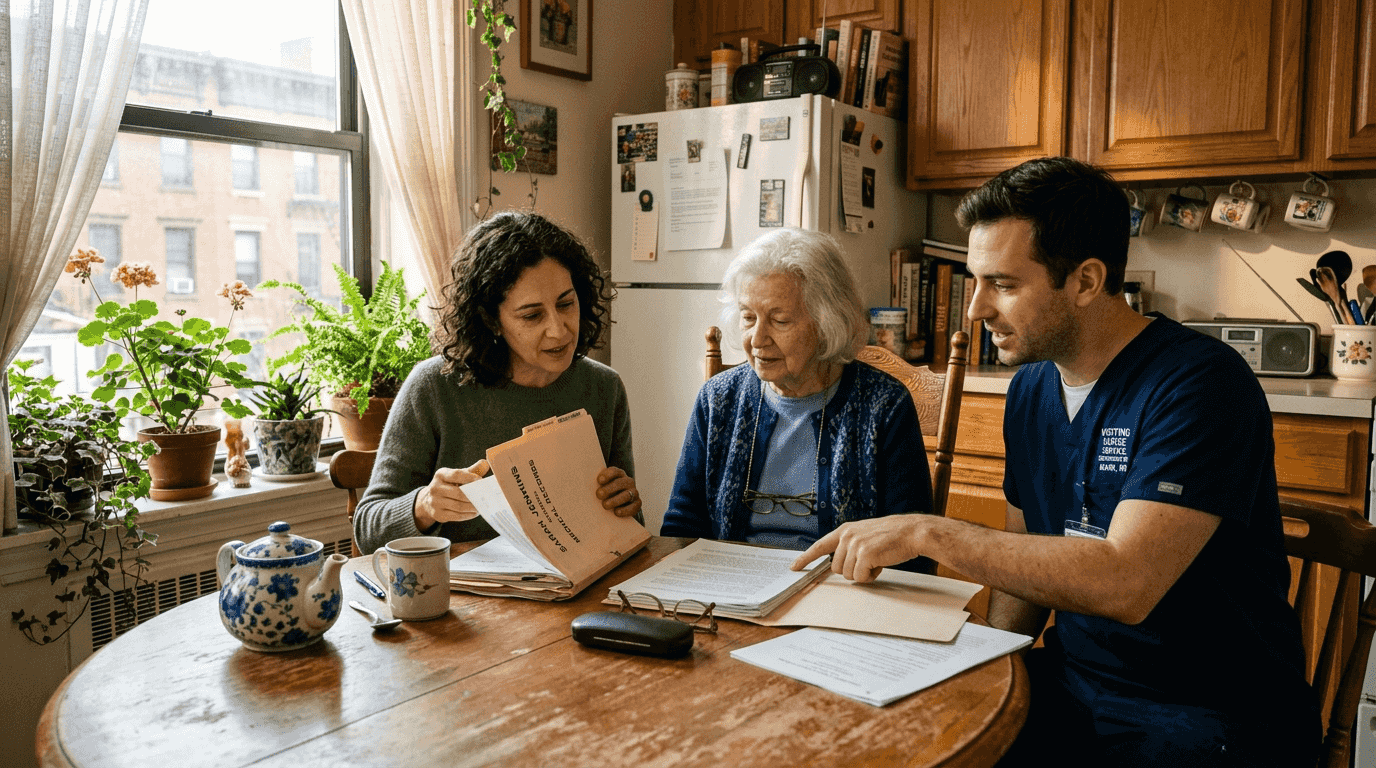
Planning home care for a senior loved one in New York City can feel overwhelming. You face complex decisions about medical needs, service options, and navigating local resources while ensuring safety and comfort at home. Families often struggle to know where to start, which services to prioritize, and how to access quality care quickly. This guide walks you through four evidence-backed steps to create a personalized home care plan that reduces hospital readmissions, improves quality of life, and gives your family confidence in the care journey ahead.
Table of Contents
Step 1: Assess Patient Needs With Clinical Prioritization Tools
Step 2: Explore Comprehensive Home Health Care Services Available
Step 3: Navigate NYC Home Care Waitlists And Case Management Agencies
Step 4: Develop And Implement An Effective Personalized Care Plan
Comparing Home Care Planning Approaches And Making Informed Decisions
Key takeaways
Point | Details |
Prioritize clinical needs | Using validated assessment tools reduces rehospitalizations and ensures timely visits based on medical complexity. |
Understand service options | Home health includes skilled nursing, therapy, social work, and personal care tailored to individual needs. |
Navigate local resources | NYC case management agencies coordinate access and help families manage waitlists effectively. |
Build dynamic care plans | Personalized plans integrating education, monitoring, and community support improve independence and outcomes. |
Step 1: assess patient needs with clinical prioritization tools
Before selecting services, you need a clear picture of your loved one’s medical and functional needs. Clinical prioritization tools help families and providers identify urgent care requirements and reduce the risk of hospital readmission. The PREVENT CDSS prioritizes home care visits using 5 key factors, reducing rehospitalizations by nearly 50%. These factors include high-risk medications, multiple chronic conditions, wound care needs, depression symptoms, and functional limitations in daily activities.
Using this structured approach ensures your loved one receives visits from skilled clinicians faster, addressing critical health issues before they escalate. Families should gather comprehensive information about medications, recent hospitalizations, mobility challenges, and emotional well-being to support accurate prioritization. This data helps care coordinators match the right level of service intensity to your situation.
Pro Tip: Work closely with hospital discharge nurses to collect detailed health information before your loved one comes home. This reduces information gaps and speeds up the prioritization process.
Key factors to document include:
Current prescription medications and dosing schedules
Chronic conditions like diabetes, heart failure, or COPD
Recent surgeries or wounds requiring ongoing care
Signs of depression, anxiety, or social isolation
Ability to perform activities of daily living independently
“Prioritizing home visits based on clinical complexity ensures the patients who need help most receive it first, preventing avoidable emergency room trips.”
This systematic assessment lays the foundation for selecting appropriate services and building a care plan that addresses your family’s most pressing concerns. Integrating compassionate care practices senior home care ensures that clinical prioritization is paired with empathy and respect for your loved one’s dignity.
Step 2: explore comprehensive home health care services available
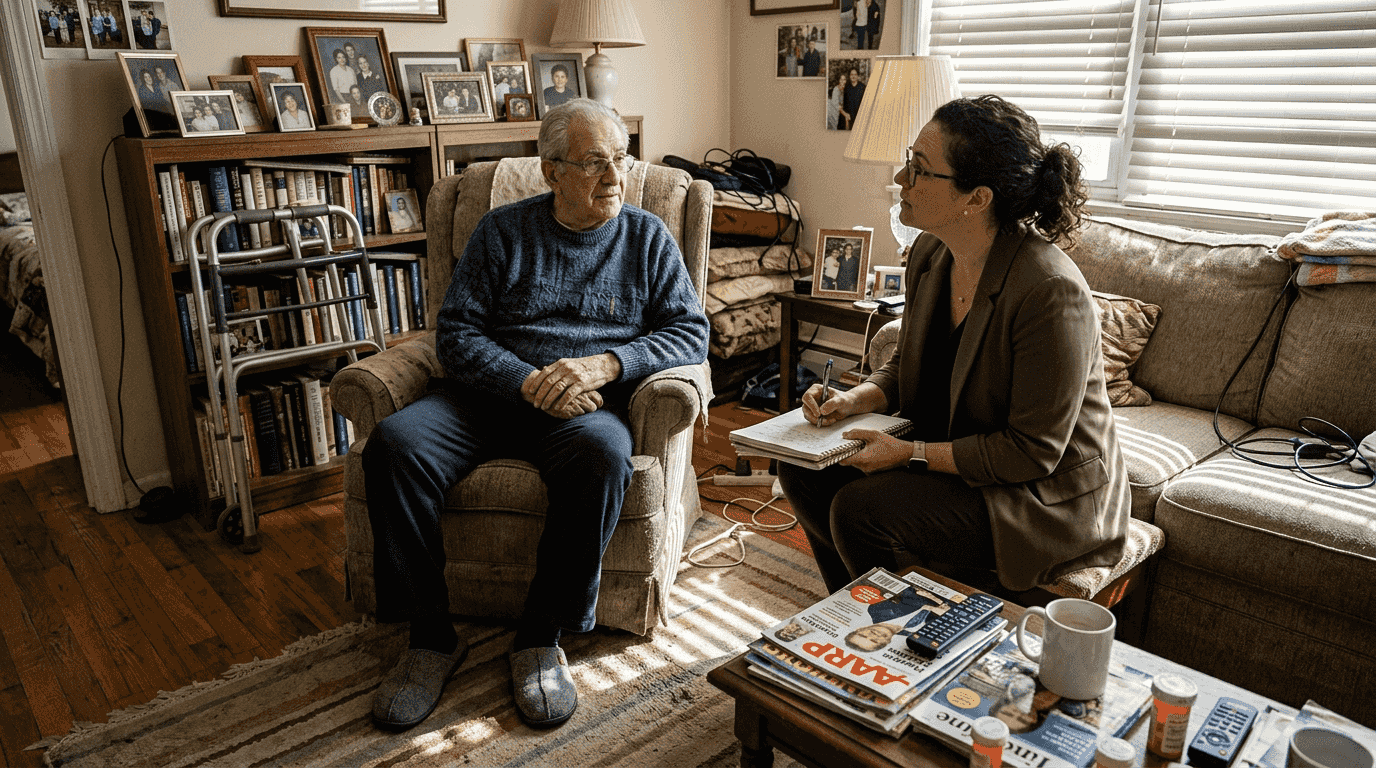
Once you understand your loved one’s needs, the next step is matching those needs with the right services. Home health care offers individualized medical and supportive services in patients’ homes, enhancing quality of life. NYC families can access a wide range of professional services designed to keep seniors safe, comfortable, and independent at home.
Core home health services include:
Skilled nursing for wound care, medication management, and chronic disease monitoring
Physical therapy to improve mobility, strength, and fall prevention
Occupational therapy to adapt daily activities and home environments for safety
Speech therapy for swallowing difficulties and communication challenges
Medical social work for emotional support and community resource connections
Home health aides for personal care, bathing, dressing, and meal preparation
Each service is tailored to your loved one’s specific medical conditions and daily living challenges. For example, a senior recovering from a stroke may need physical and speech therapy combined with personal care assistance, while someone managing diabetes might benefit most from skilled nursing visits and dietary education.
To initiate services, follow these steps:
Request a physician’s order for home health care, including specific services needed.
Contact a licensed home care agency to schedule an initial assessment.
Work with the care coordinator to design a service schedule that fits your family’s routine.
Review caregiver qualifications and ensure they match your loved one’s language and cultural preferences.
Families in Brooklyn, Manhattan, Queens, the Bronx, and Staten Island can explore home health services overview to understand the full scope of support available locally. Addressing challenges like medication adherence, social isolation, and mobility limitations through coordinated services significantly improves outcomes. Learn more about starting home care services to streamline the process and avoid common pitfalls.
Step 3: navigate NYC home care waitlists and case management agencies
Accessing home care in New York City often involves navigating waitlists and working with case management agencies. Home Care waitlist numbers fluctuate dynamically; case management agencies vary in client load and are crucial in access. Demand for services changes based on hospital discharge volumes, seasonal health trends, and available caregiver capacity, making proactive planning essential.
Case management agencies play a vital role in assessing eligibility, coordinating services, and connecting families with providers. These agencies employ trained case managers who evaluate your loved one’s needs, determine appropriate service levels, and advocate for timely access. Understanding the landscape of case management resources helps you choose the right partner.
Agency Type | Client-to-Case-Manager Ratio | Primary Role |
NYC Department for the Aging | 50:1 to 75:1 | Assess eligibility, coordinate long-term care services |
Community-based organizations | 30:1 to 50:1 | Provide culturally tailored support and local resource connections |
Hospital discharge planning | 40:1 to 60:1 | Facilitate transitions from hospital to home care |
To work effectively with case managers and reduce wait times:
Prepare detailed documentation of medical history, current medications, and functional limitations before your first meeting.
Ask about expedited pathways for urgent cases or recent hospital discharges.
Maintain regular communication with your assigned case manager to stay informed about service availability.
Inquire about alternative providers or service models if waitlists are long.
Pro Tip: Build a relationship with your case manager by responding promptly to requests for information and being flexible with scheduling. This responsiveness can help prioritize your case when openings arise.
Families seeking supportive home services independent living should understand that case managers can also connect you with community resources like meal delivery, transportation assistance, and social programs that complement home health services. Proactive engagement with these agencies ensures your loved one receives coordinated, timely care that prevents gaps in support.
Step 4: develop and implement an effective personalized care plan
A personalized care plan is the roadmap that guides daily care activities, monitors progress, and adjusts services as your loved one’s needs change. Effective personalized care plans improve symptoms, medication management, and reduce hospital readmissions while enhancing quality of life. The best plans are dynamic documents that integrate clinical care, patient education, and family involvement.
Key components of an effective care plan include:
Clear health goals tailored to your loved one’s priorities, such as improved mobility or pain management
Detailed medication schedules with reminders and monitoring for side effects
Dietary guidelines addressing chronic conditions like diabetes or heart disease
Exercise and activity recommendations to maintain strength and prevent falls
Emergency protocols outlining when to call a doctor or seek urgent care
Integration with community resources like senior centers, meal programs, and transportation services
Patient education is central to successful care plans. Caregivers and nurses should teach your loved one and family members about disease management, warning signs of complications, and self-care techniques. This knowledge empowers everyone to recognize problems early and take action before they escalate.
Case examples illustrate the impact of personalized planning. Mrs. Vance, a senior with congestive heart failure, saw significant symptom improvement after her care plan included daily weight monitoring, dietary sodium reduction, and medication education. Mr. Miller, recovering from hip surgery, regained independence through coordinated physical therapy and home modifications recommended by his occupational therapist.
“Personalized care plans transform home health from reactive visits into proactive partnerships that help seniors thrive at home.”
Regularly review and update the care plan with your home health team. Monthly check-ins allow you to discuss progress, adjust goals, and add services as needed. Families can explore quality home care characteristics to ensure their care plan meets high standards for safety, communication, and responsiveness.
Comparing home care planning approaches and making informed decisions
Choosing the right home care planning approach depends on your loved one’s medical complexity, urgency of needs, and available local resources. This comparison helps you weigh different strategies and select the best fit for your family’s situation.
Approach | Strengths | Considerations | Best For |
Clinical prioritization tools | Reduces readmissions, ensures urgent needs addressed first | Requires detailed health data and provider buy-in | Complex medical cases, recent hospital discharge |
Comprehensive service coordination | Addresses medical and daily living needs holistically | May involve multiple providers and scheduling complexity | Seniors with chronic conditions and functional limitations |
Case management agency support | Navigates waitlists, connects to community resources | Waitlist times vary, requires proactive family engagement | Families new to home care or needing long-term support |
Dynamic personalized care plans | Adapts to changing needs, empowers patient and family | Requires ongoing communication and plan updates | All situations, especially when goals evolve over time |
When deciding on an approach, consider these criteria:
Medical complexity: Higher complexity benefits most from clinical prioritization and skilled nursing.
Urgency: Recent hospital discharges or unstable conditions require faster access and intensive services.
Family involvement: Families able to participate actively in care planning see better outcomes.
Local resource availability: NYC neighborhoods vary in provider density and waitlist lengths.
Recommended next steps based on common situations:
Recent hospital discharge: Request clinical prioritization assessment and expedited case management.
Chronic condition management: Coordinate skilled nursing, therapy, and personal care through a comprehensive service plan.
Long-term support needs: Engage a case management agency early and explore community resources.
Changing health status: Schedule regular care plan reviews and adjust services proactively.
Families can learn more about starting home care services to take the first steps with confidence. The right planning approach balances clinical needs, family capacity, and local resources to create a sustainable care solution that keeps your loved one safe and comfortable at home.
Choosing Friendly Home Care for NYC families
Navigating home care planning is easier with a trusted partner who understands New York City’s unique landscape. Friendly Home Care offers personalized, compassionate services tailored to the diverse needs of families across Brooklyn, Queens, Manhattan, the Bronx, Staten Island, and Westchester County. Our team of trained, multilingual caregivers delivers skilled nursing, therapy, personal care, and companionship that help your loved one thrive at home.
We simplify the planning process by coordinating assessments, managing service schedules, and building dynamic care plans that adapt as needs change. Whether you need post-hospital support, chronic disease management, or long-term assistance with daily activities, Friendly Home Care provides reliable, professional solutions. Explore our home health services overview and visit Friendly Home Care to schedule a consultation and start your family’s care journey today.
Frequently asked questions about home care planning in NYC
How soon can home care services start after assessment?
Most licensed agencies can initiate services within 24 to 48 hours after completing an initial assessment and receiving a physician’s order. Urgent cases, such as recent hospital discharges, may qualify for same-day or next-day service starts.
What if my loved one is on a waitlist for home care?
Stay in close contact with your case manager and ask about alternative providers or expedited pathways for urgent needs. Some agencies maintain cancellation lists that allow faster placement when openings occur unexpectedly.
How do I coordinate multiple services in a care plan?
Work with a primary care coordinator who oversees all services and ensures consistent communication between providers. Regular team meetings, either in person or virtual, help align goals and prevent scheduling conflicts.
Can home care help reduce hospital readmissions?
Yes. Clinical prioritization, medication management, and patient education significantly lower readmission rates by addressing health issues before they escalate. Studies show reductions of up to 50% when structured home care protocols are followed.
What resources are available for diverse NYC senior populations?
NYC offers multilingual case management, culturally tailored community programs, and home health aides who speak languages including Spanish, Mandarin, Russian, and Yiddish. Ask your case manager about culturally specific support groups and meal programs in your neighborhood.
Recommended