
Independent Living Strategies for Seniors: 2026 Guide

TL;DR:
Effective aging in place combines home modifications, supportive services, and daily habits to help seniors maintain independence. Early assessment and planning allow for flexible, personalized strategies that address safety, health, and social well-being. Technology serves as a useful supplement but cannot replace human care and active lifestyle routines.
Independent living strategies are deliberate plans that help seniors maintain autonomy and quality of life at home through tailored home adaptations, support services, and self-sufficiency techniques. The formal term used by healthcare professionals is “aging in place,” and it covers everything from grab bars in the bathroom to scheduled meal preparation and daily exercise routines. Harvard Health recommends starting this planning process by assessing physical and mental capabilities before a crisis forces the decision. Families who plan early keep more choices open and avoid rushed, stressful transitions.
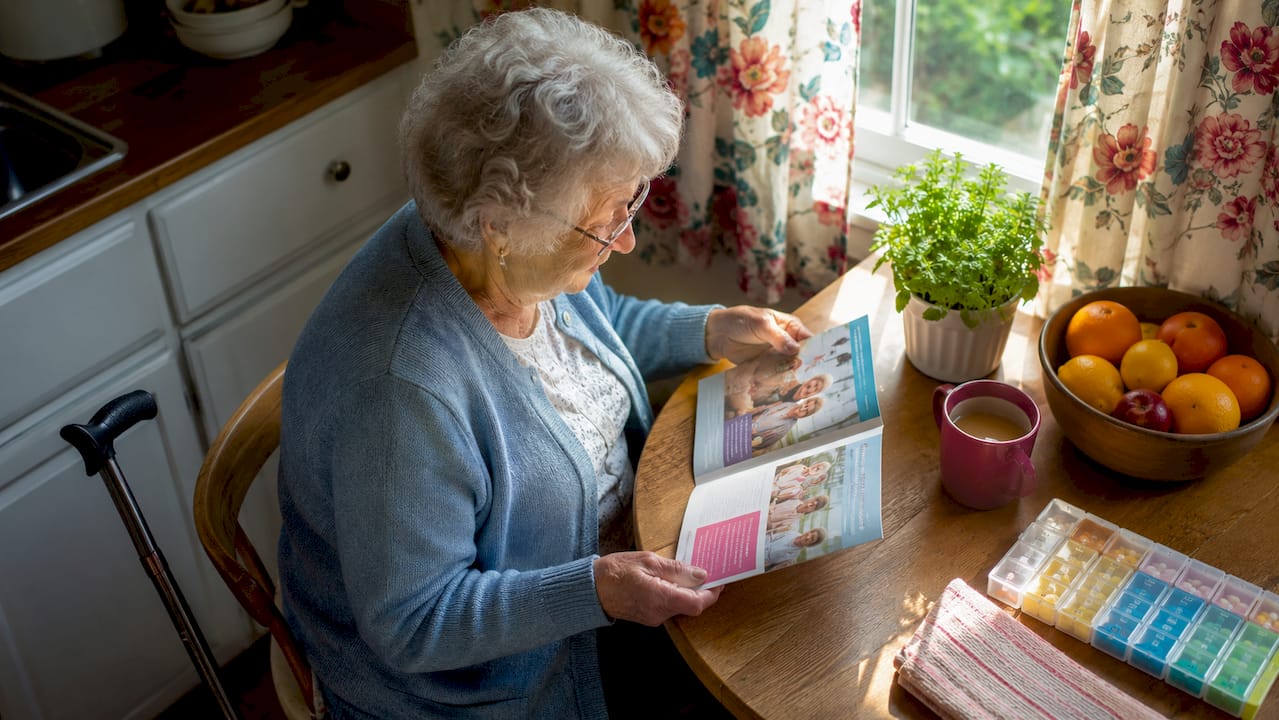
1. What are the best independent living strategies for seniors?
The most effective approach to aging in place combines home modifications, supportive services, and daily habits into one coordinated plan. No single change is enough on its own. A senior who installs grab bars but skips regular exercise and social connection will still face preventable risks. The strategies below address each dimension of independent living.
2. Home modifications that improve safety and mobility
Physical changes to the home are the foundation of any aging-in-place plan. Home modifications should be adaptable over time to meet evolving mobility and health needs. A grab bar installed today may need to be repositioned in two years as strength or balance changes.
The most common and effective modifications include:
Grab bars in bathrooms near the toilet and shower
Slip-resistant flooring in kitchens, bathrooms, and entryways
Stair lifts or ramps for multi-level homes
Widened doorways to accommodate walkers or wheelchairs
Lever-style door handles that are easier to grip than round knobs
Improved lighting in hallways, staircases, and outdoor paths
Modular tools like removable grab bars and portable ramps let families adjust the home without major construction. This flexibility matters because needs change gradually, and a rigid setup becomes a barrier rather than a help. A complete guide to preparing your home for a senior family member covers these modifications in practical detail.
Pro Tip: Start modifications in the rooms where your family member spends the most time, typically the bathroom and bedroom, before addressing the rest of the home.
3. Supportive services that help seniors manage daily life
Supportive in-home services fill the gaps between what a senior can do independently and what they need help with. Harvard Health identifies household chores, personal care, meal preparation, health management, and transportation as the five core service categories for independent living. Each category addresses a different daily challenge.
Common services that support autonomy at home include:
Personal care assistance: bathing, dressing, grooming, and toileting
Meal preparation: planning, cooking, and managing dietary needs
Light housekeeping: laundry, vacuuming, and keeping the home safe and clean
Medication reminders: ensuring the right dose at the right time
Companionship: reducing isolation and supporting emotional well-being
Transportation: getting to medical appointments, errands, and social activities
Selecting a caregiver with skills matched to a senior’s specific needs makes a real difference in quality of care. A caregiver trained in mobility support, for example, provides far better assistance than a generalist when a senior has balance issues. Families should also plan for changing needs over time, since the level of support required at 72 may look very different at 82.
Financial planning is critical. Many families assume Medicare covers most in-home care costs. Most services are paid out of pocket, which makes early financial planning a non-negotiable part of any independent living plan.
Families in New York City can review home care planning steps to understand how to sequence service decisions before a health event forces the issue.
4. Lifestyle habits and self-sufficiency techniques for daily well-being
Daily habits are the most underrated part of any strategy for independence. Seniors who build consistent routines around movement, nutrition, and social connection maintain their capabilities longer than those who rely solely on home modifications or services. The research is clear: physical and mental well-being are inseparable from the ability to live independently.
Effective goal setting follows the SMART framework: Specific, Measurable, Achievable, Relevant, and Time-bound. A practical example is committing to 30 minutes of daily walking for three months. That structure builds both the habit and the confidence to keep going.
Regular movement: Walking, chair yoga, and light stretching maintain balance and muscle strength.
Consistent meal routines: Eating at regular times supports energy levels and medication schedules.
Creative hobbies: Painting, gardening, and reading keep the mind active and reduce anxiety.
Mindfulness practices: Short breathing exercises or meditation lower stress and improve sleep.
Social engagement: Weekly calls, community groups, or faith-based activities reduce isolation.
Staying connected to community preserves ties to medical providers, neighbors, and places of worship. Those connections directly support confidence and quality of life. Isolation, by contrast, accelerates cognitive and physical decline faster than most physical health conditions.
Breaking goals into smaller steps increases motivation and improves outcomes over time. Regular review and adjustment keep the plan realistic as circumstances change.
Pro Tip: Track one new habit for 30 days before adding another. Small wins build the confidence that sustains long-term independence.
5. How technology and assistive tools support independent living
Technology fills specific gaps in daily safety and routine management. Assistive technology supports independence through apps, reminders, AAC devices, and smart home systems, but it does not replace human caregiving. Families who treat technology as a supplement to personal care get the best results.
Tool Type | Example | Primary Benefit |
Medication reminders | Automated pill dispensers | Reduces missed or double doses |
Visual schedules | Apps like Choiceworks | Supports daily routine and reduces anxiety |
Emergency response | Medical alert wearables | Immediate help after a fall or health event |
Smart home devices | Voice-activated lights and locks | Reduces physical strain and improves safety |
Mobility aids | Walkers, rollators, canes | Supports safe movement inside and outside the home |
Apps like Choiceworks use visual schedules to help seniors manage daily tasks with less stress. Smart home devices let seniors control lights, locks, and thermostats without physical effort. Medical alert wearables provide immediate emergency response, which is especially valuable for seniors who live alone.
The key limitation is that technology requires setup, maintenance, and occasional troubleshooting. Seniors with limited tech experience may need family support or a caregiver to keep these tools working reliably. A supportive home services guide explains how professional caregivers can integrate these tools into a senior’s daily routine.
6. How to build a personalized independent living plan
A personalized plan starts with an honest assessment of current physical, cognitive, and social needs. Proactive planning increases choices and reduces crisis-driven decisions. Families who wait until a fall or hospitalization find themselves with fewer options and more stress.
The table below matches common needs to the strategies most likely to address them.
Senior’s Need | Recommended Strategy |
Balance or fall risk | Grab bars, slip-resistant flooring, physical therapy |
Difficulty with daily tasks | Personal care aide, meal prep service, housekeeping |
Social isolation | Community programs, companionship services, regular family visits |
Medication management | Automated dispensers, caregiver reminders, pharmacy blister packs |
Cognitive changes | Visual schedules, routine structure, memory-support apps |
True independence means building skills, confidence, and a support network, not doing every task alone. A senior who uses a meal prep service and a personal care aide is not less independent. They are using available resources to stay in their home on their own terms.
Revisit the plan every six months or after any significant health change. Needs shift, and a plan that worked well at one stage may need adjustment at the next. Flexibility is not a sign of failure. It is the mark of a plan that actually works.
Key takeaways
The most effective independent living plan for seniors combines home modifications, supportive services, daily habits, and technology into one flexible, regularly reviewed strategy.
Point | Details |
Start with assessment | Evaluate physical, cognitive, and social needs before making any changes. |
Modify the home early | Install grab bars, improve lighting, and add slip-resistant flooring before a fall occurs. |
Plan for service costs | Most in-home care is paid out of pocket; early financial planning protects future choices. |
Build daily habits | SMART goals and consistent routines sustain physical and mental independence over time. |
Use technology as support | Assistive tools like medical alerts and visual schedule apps supplement but do not replace caregivers. |
What I’ve learned about planning for independence before it becomes urgent
Most families I speak with start thinking about independent living strategies after something goes wrong. A fall. A hospitalization. A moment when it becomes obvious that the current setup is no longer safe. By that point, the best options are already off the table.
The families who do this well start the conversation early, ideally while the senior is healthy and can participate fully in the decisions. That changes everything. The senior keeps their voice in the process. The family avoids panic-driven choices. And the plan reflects what the person actually wants, not just what is available on short notice.
What surprises most people is how much the emotional and social dimensions matter. Physical safety gets all the attention, but isolation and loss of purpose are just as dangerous to long-term well-being. A senior who is physically safe but socially cut off will decline faster than one who has strong community ties and a reason to get up in the morning.
The other thing I would push back on is the idea that accepting help means giving up independence. A senior who uses a caregiver for bathing and meal prep is still making their own choices about how they spend their day, who they see, and where they live. That is independence. The goal is not to do everything alone. The goal is to stay in control of your own life.
— Brigid
How Friendlyhomecareny supports seniors living independently at home
Friendlyhomecareny provides licensed, accredited in-home care services across New York City and Westchester County, including Brooklyn, Queens, Manhattan, the Bronx, and Staten Island. Services include personal care assistance, meal preparation, light housekeeping, companionship, mobility support, medication reminders, and post-hospital recovery care. Every care plan is customized to the individual. Caregivers are trained, screened, and multilingual to serve NYC’s diverse communities. Friendlyhomecareny is licensed by the New York State Department of Health and accredited by The Joint Commission. Families ready to build a plan can review our in-home care services or contact us directly to schedule a consultation.
FAQ
What are independent living strategies for seniors?
Independent living strategies are coordinated plans that combine home modifications, supportive services, and daily habits to help seniors remain safe and autonomous at home. They are also called aging-in-place plans by healthcare professionals.
When should families start planning for independent living?
Harvard Health recommends starting before a crisis occurs, ideally while the senior is healthy enough to participate in decisions. Early planning preserves more choices and reduces stress for the whole family.
Does Medicare cover in-home care services?
Most in-home care services are paid out of pocket and are not covered by Medicare. Families should factor these costs into financial planning well before services are needed.
How does technology help seniors live independently?
Assistive tools like medical alert wearables, automated pill dispensers, and visual schedule apps improve safety and routine management. They work best as a supplement to personal caregiving, not a replacement.
What is the SMART framework for independent living goals?
SMART stands for Specific, Measurable, Achievable, Relevant, and Time-bound. Applying this framework to daily habits, such as committing to 30 minutes of walking each day for three months, builds consistency and measurable progress toward independence.
Recommended