
Top Meal Preparation Assistance Options for NYC Seniors
TL;DR:
Malnutrition affects up to 45% of seniors receiving home care, risking their health and independence.
Options include in-home caregiver meal prep, home-delivered meals, and hybrid models tailored to needs.
Early assessment and integration of meal support into a broader care plan promote better health outcomes.
Keeping a senior parent well-fed and healthy at home is one of the most important things a NYC family can do, and also one of the most overlooked. Between managing medications, doctor appointments, and daily safety, nutrition often falls through the cracks. Yet malnutrition affects up to 45% of seniors receiving home care, putting their independence and health at serious risk. The good news is that NYC families have more meal preparation options than ever before. This guide walks you through exactly what to look for, what is available locally, and how to choose the right fit for your loved one.
Table of Contents
Key Takeaways
Point | Details |
Personalized solutions | There are multiple meal assistance options from customized in-home prep to free delivery for varying senior needs. |
Eligibility and cost | Home-delivered meals may be free for eligible NYC seniors while private in-home care can be expensive. |
Health and prevention | Nutrition support helps avoid hospitalizations and supports independent living for seniors. |
Take action early | Early assessment and intervention with meal programs can prevent bigger health problems for seniors. |
Key criteria for choosing meal preparation assistance
Choosing the right meal support starts with understanding what your loved one actually needs. Not every program or service fits every situation. Before comparing options, work through these essential factors.
What to evaluate before choosing:
Nutritional and dietary needs: Does your loved one require a diabetic-friendly, low-sodium, renal, or kosher diet? Medical conditions should drive the menu, not the other way around.
Level of independence: Can your senior safely use a stove? Are they semi-independent or fully homebound? This determines whether in-home prep or delivery makes more sense.
Social connection: Isolation is a serious health risk for older adults. Some meal programs include a friendly check-in during delivery, which can be just as valuable as the food itself.
Budget and insurance coverage: Costs vary widely. Medicaid, managed care plans, and NYC Aging programs may cover some or all meal services. Good senior care planning steps include reviewing coverage early.
Cultural and personal fit: NYC is one of the most culturally diverse cities in the world. Meals should respect your loved one’s traditions, preferences, and identity.
Once you have a clear picture of these needs, you can use the NYC Aging eligibility assessment to find programs your loved one qualifies for. Most home-delivered meal programs require age 60+, homebound status, and a formal assessment to confirm eligibility.
Do not wait for a health crisis to start this process. Early intervention through coordinated meal and home care support cuts hospital risks significantly, and families who act early have far more options available to them.
Pro Tip: Call your loved one’s managed care plan or Medicaid service coordinator first. They can often connect you to covered meal programs you did not know existed.
Top meal preparation options for NYC seniors
Now that you know what to look for, here are the main categories of meal support available to NYC families, along with local examples and what makes each one distinct.
1. In-home caregiver meal preparation
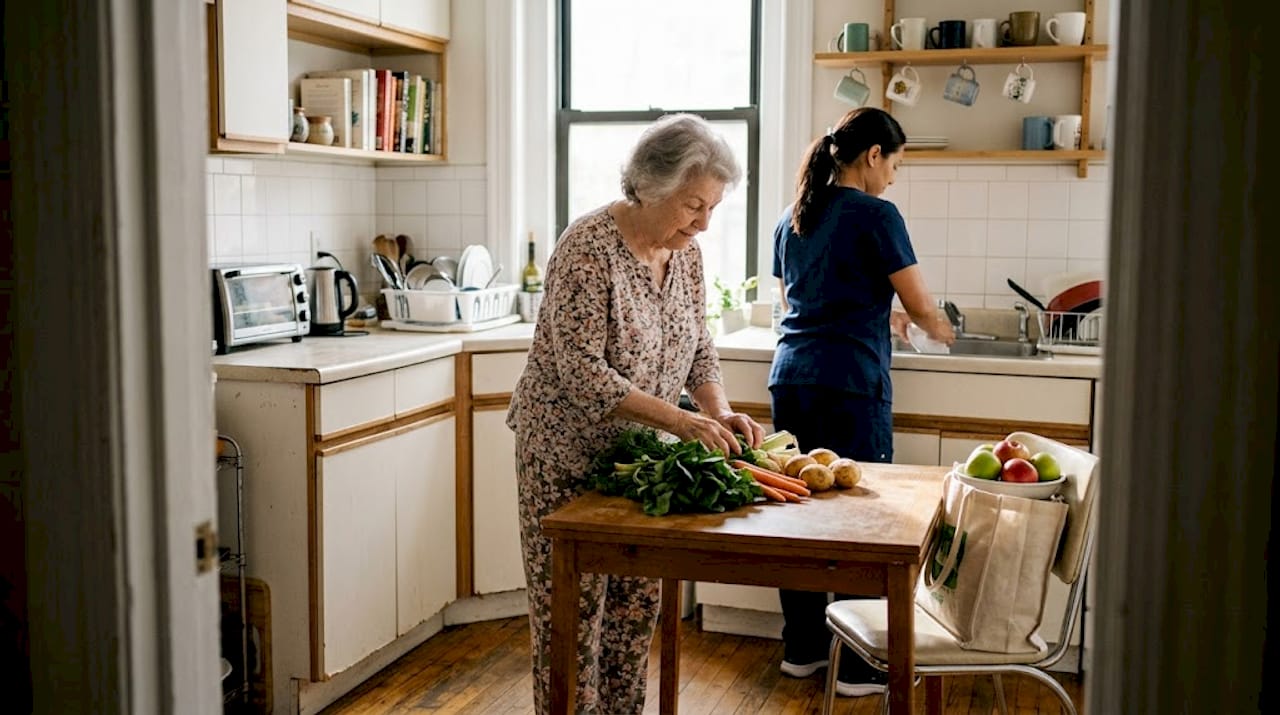
This is the most personalized option. A trained home health aide or personal care worker shops for groceries, prepares fresh meals, and handles cleanup, all based on your loved one’s specific dietary needs and health conditions. In-home meal preparation services like those offered through agencies such as Touching Hearts NYC can adjust recipes as health conditions change, which is critical for seniors managing chronic illnesses.
This option is ideal for seniors who are semi-independent, have complex diets, or simply need the safety and comfort of someone present in the kitchen. It also supports in-home care for independence by keeping seniors engaged in the meal routine rather than removing them from it entirely.
2. Home-delivered meal programs
Organizations like Citymeals on Wheels, DOROT, RiseBoro, and Encore Community Services deliver prepared, nutritious meals that meet New York State nutritional standards. Deliveries often include a brief social check-in, which helps reduce isolation. DOROT specifically serves the Jewish community with kosher meal options, making it an important choice for families with religious dietary requirements.
3. Hybrid solutions
Some families combine meal delivery with periodic grocery shopping assistance. This approach gives seniors variety, fresh ingredients when possible, and the reliability of scheduled deliveries. It works especially well for those who are mostly homebound but can still participate in light meal preparation with supervision.
“The best meal support plan is one that fits your loved one’s whole life, not just their plate.”
Learning more about supporting seniors at home can help you see how meal prep fits into a broader care routine.
Pro Tip: Ask any home-delivered meal program about their frequency, menu rotation, and whether they can accommodate your loved one’s specific dietary restrictions before enrolling.
Comparing meal prep and delivery: Cost, coverage, and fit
With each option explained, a direct comparison makes decision-making easier. Here is a side-by-side look at the three main models.
Feature | In-home caregiver prep | Home-delivered meals | Hybrid model |
Cost | $3,000+/month (part-time) | Free or sliding scale | Varies; often lower than full in-home |
Customization | High | Moderate | Moderate to high |
Eligibility | Private pay or Medicaid | Age 60+, homebound | Combination |
Social interaction | Daily, one-on-one | Brief delivery check-in | Both, depending on setup |
Flexibility | Very high | Low to moderate | Moderate |
Best for | Complex diets, safety needs | Homebound, low-income seniors | Mixed independence levels |
In-home prep costs can exceed $3,000 per month for part-time support, while most delivery programs are free or income-based. That is a significant difference, and it matters for families working within a fixed budget.
But cost is not the only consideration. Think about these trade-offs:
Safety: A caregiver in the home can monitor your loved one’s appetite and flag early warning signs of decline.
Dignity and routine: Preparing and eating a fresh meal can restore a sense of normalcy and purpose for seniors who feel they have lost control over daily life.
Nutrition quality: Delivered meals meet state standards, but in-home prep allows for fresher ingredients and immediate dietary adjustments.
Social wellbeing: About 24,000 NYC seniors rely on meal deliveries, and for many, the delivery worker is their only daily human contact.
Understanding the benefits of home care support and reviewing personal care service options can help you weigh these factors more clearly.
A key insight from nutrition and homecare research is that malnutrition in seniors is frequently undetected until it has already affected mobility, cognition, or wound healing. Meal support is not just comfort. It is preventive healthcare.
Making the right choice: Recommendations by need
Understanding the choices is helpful, but making the best decision for your family takes practical steps. Here is a straightforward framework to follow.
Step-by-step action plan:
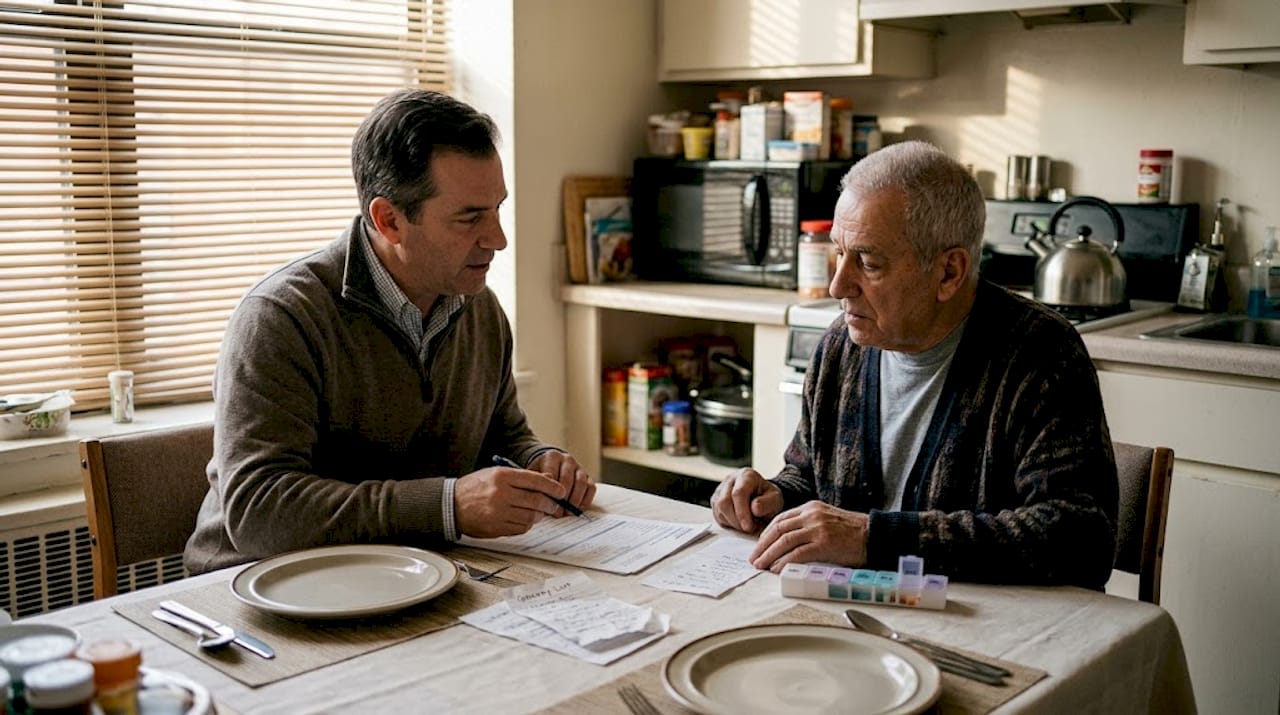
Start with an assessment. Contact NYC Aging or NY Connects to determine eligibility for subsidized programs. This is always the right first move.
Identify your loved one’s primary need. Is it safety while cooking? Dietary management? Social connection? Let that answer guide you.
Match the model to the need. Semi-independent seniors benefit most from in-home caregiver prep. Fully homebound seniors often do well with a reliable delivery program. Complex cases often need a hybrid approach.
Coordinate with existing care. Meal support works best when it is integrated with a broader care plan. Talk to your loved one’s doctor, home care agency, or care coordinator.
Monitor and adjust. Review the plan every 60 to 90 days. Appetite, mobility, and health conditions change, and the meal plan should change with them.
Senior profile | Recommended model |
Semi-independent, chronic condition | In-home caregiver meal prep |
Fully homebound, limited income | Home-delivered meal program |
Mixed independence, cultural diet needs | Hybrid delivery and grocery support |
Post-hospitalization recovery | In-home prep with care coordination |
Getting started with preparing your home for senior care and understanding family involvement in home care are two steps that can make this transition smoother for everyone.
Pro Tip: Do not try to coordinate everything alone. A licensed home care agency can help you assess needs, connect with programs, and build a plan that covers meals, safety, and companionship together.
A fresh perspective: Why meal prep is the key to independent aging
Most NYC families come to us after a health scare. A fall. An unexpected hospitalization. A call from a neighbor who noticed something was wrong. And almost every time, when we look back at the weeks before the crisis, there were signs. Smaller portions. Skipped meals. Weight loss that went unaddressed.
Nutrition is often the first sign that a senior is struggling, and it is almost always the last thing families think to address proactively. We understand why. Meals feel ordinary. Medical issues feel urgent. But this is exactly the thinking that leads to preventable crises.
When meal support is built into a senior’s regular care routine through home care workflow strategies that treat nutrition as a daily priority, the results go beyond physical health. Seniors eat better, feel more in control, and stay connected to daily life longer. That is not a minor benefit. That is the difference between aging at home and moving into a facility years sooner than necessary.
We believe meal preparation is one of the most powerful tools families have, and it deserves to be treated that way from the start.
Find trusted in-home meal support for your loved one
If you are ready to take the next step or simply want guidance tailored to your family’s situation, we are here to help. At Friendly Home Care, we work with families across all five boroughs and Westchester County to build care plans that include meal planning, grocery shopping, in-home preparation, and wellness checks, all coordinated around your loved one’s specific health needs and preferences.
Our personalized in-home services go beyond cooking. We bring compassionate, trained aides who understand the connection between good nutrition and lasting independence. Visit the Friendly Home Care team online to learn more or schedule a free consultation today. You do not have to figure this out alone.
Frequently asked questions
What types of meal preparation help can NYC seniors get at home?
Options include in-home caregiver cooking, home-delivered prepared meals, kosher and special diet programs, and hybrid models that combine delivery with grocery support. Programs like Citymeals and DOROT deliver nutritious meals directly to homebound NYC seniors on a regular schedule.
How much does in-home meal prep cost compared to meal delivery in NYC?
In-home caregiver meal prep can exceed $3,000 per month for part-time support, while most home-delivered meal programs are free or offered on a sliding scale based on income.
Who qualifies for free or reduced-rate meal delivery?
Most programs serve NYC residents who are age 60+, homebound, and unable to prepare meals safely on their own, with eligibility confirmed through an in-home evaluation.
How can I tell if my loved one needs more meal support?
Watch for weight loss, reduced appetite, or difficulty shopping and cooking. Nutrition is often the first sign that a senior needs additional support, and early action prevents larger health problems down the road.
Recommended