
Post-hospital home care in NYC: a family guide
TL;DR:
Post-hospital care at home includes skilled nursing, therapy, medication management, and personal support.
Early discharge planning and timely agency intake are crucial for a successful recovery process.
A coordinated team and home safety modifications significantly reduce readmission risks for elderly patients.
Leaving the hospital feels like a finish line. But for elderly New Yorkers, it is often the most vulnerable point in their entire recovery. Post-hospital care at home prevents readmissions and supports ongoing recovery, yet most families receive little more than a folder of discharge papers and a follow-up appointment. What happens in that gap at home matters enormously. This guide walks you through what post-hospital home care actually covers, how the process unfolds step by step, who is involved, and what your family can do right now to protect your loved one’s recovery in New York City.
Table of Contents
Key Takeaways
Point | Details |
Structured home care matters | Coordinated post-hospital services are key to safe recovery and preventing setbacks. |
Start planning early | Early discharge planning and team coordination help avoid delays and confusion. |
Family roles are critical | Active family involvement and support make a real difference in home recovery. |
Safety steps prevent readmission | Proper home setup and medication management lower the risk of emergency returns. |
What exactly is post-hospital care at home?
Post-hospital care at home is a coordinated system of services that begins the moment your loved one leaves the hospital and continues until they are stable, safe, and as independent as possible. It is not simply having someone check in once a day. True post-hospital care at home includes skilled nursing, therapy, medication management, and personal care, all working together under a structured plan.
Many families carry a common misconception: that discharge means recovery is complete. In reality, discharge often means the acute phase is over, not that the person is healed. Wounds still need dressing. Medications still need careful timing. Fall risks are highest in the first two weeks at home.
Here is what a solid post-hospital care plan typically covers:
Skilled nursing visits to monitor vital signs, manage wounds, and track recovery progress
Physical and occupational therapy to restore strength, mobility, and daily function
Medication management to prevent dangerous errors or missed doses
Personal care assistance with bathing, dressing, grooming, and mobility
Companion and emotional support to reduce isolation during recovery
Research on home health outcomes confirms that structured home care after hospitalization significantly reduces complications and emergency returns. This is especially important for elderly adults managing chronic conditions like heart failure, diabetes, or recent orthopedic surgery.
“Recovery does not end at discharge. For most elderly patients, the real work of healing begins at home, where the right support makes all the difference.”
For NYC families, understanding NYC home care quality standards helps you ask the right questions and choose providers who meet a high bar. The goal of post-hospital home care is to bridge the gap between hospital-level treatment and independent living, safely and with dignity.
How does the post-hospital to home care process work?
Understanding the nature of post-hospital care sets the stage for a step-by-step look at how the process unfolds in real life. There are six key phases every family in NYC should know.
Discharge planning begins before your loved one leaves the hospital, often 24 to 48 hours before release under discharge planning regulations outlined in 42 CFR §482.43.
Needs assessment (OASIS) is a standardized tool that home health agencies use to evaluate your loved one’s physical, functional, and emotional needs at home.
Physician certification is required before home health services can begin. The doctor must sign off on the plan of care.
Agency intake must happen quickly. Reputable agencies complete intake and arrange first-visit staffing within 24 to 48 hours of discharge.
Ongoing updates keep the care plan current as recovery progresses or conditions change.
Transition to independence is the final phase, where professional support is gradually reduced as your loved one regains function.
The transition home healthcare steps can feel overwhelming when paperwork is delayed or communication between the hospital and the home care agency breaks down. These gaps are the most common reasons recoveries go sideways.
Common pitfall | Why it matters | How to prevent it |
Delayed paperwork | Delays first nursing visit | Request discharge summary before leaving hospital |
Missing medication list | Leads to dosing errors at home | Ask the nurse for a written reconciliation list |
No follow-up scheduled | Raises readmission risk | Book a 7-day follow-up before discharge |
Poor agency communication | Caregiver arrives unprepared | Confirm agency intake call same day as discharge |
For a fuller view of how care is organized in New York, our NYC care workflow guide walks through what to expect week by week.
Pro Tip: Insist on scheduling a follow-up appointment within seven days of discharge. Studies show that a 7-day follow-up dramatically lowers the chance your loved one will end up back in the hospital.
The care team: who’s involved and why it matters
Having examined the process, let’s look at the essential people and relationships that make home care work smoothly. Post-hospital home care is never a one-person job. It is a team effort, and each member plays a specific role.
The interdisciplinary team includes discharge planners, social workers, nurses, therapists, and physicians, all requiring clear, direct communication to function well. A breakdown anywhere in that chain can put your loved one at risk.
Here are the key players and what they do:
Hospital discharge planner or social worker coordinates the handoff from hospital to home care agency
Primary care physician certifies the home care plan and remains available for clinical decisions
Registered nurse (RN) conducts home visits, monitors recovery, and contacts the doctor if issues arise
Physical or occupational therapist works on strength, balance, and ability to manage daily tasks safely
Home health aide provides hands-on personal care and is often the person your loved one sees most
Family members serve as daily advocates, observers, and emotional anchors
“Early, organized follow-up by a coordinated team reduces both medical complications and the stress placed on family caregivers during recovery.”
Do not underestimate the role of family in care. Families who stay actively involved, asking questions, tracking symptoms, and communicating with the care team, consistently see better outcomes for their loved ones.
Pro Tip: When selecting a home care agency, ask specifically about their team communication process. Agencies with clear protocols for nurse-to-doctor handoffs and regular care plan reviews deliver noticeably better results.
Practical considerations: setting up safe and effective home care
With your team in place, now it is time to adapt your living space and routines for a smooth recovery. The home environment itself plays a major role in whether recovery goes well or not.
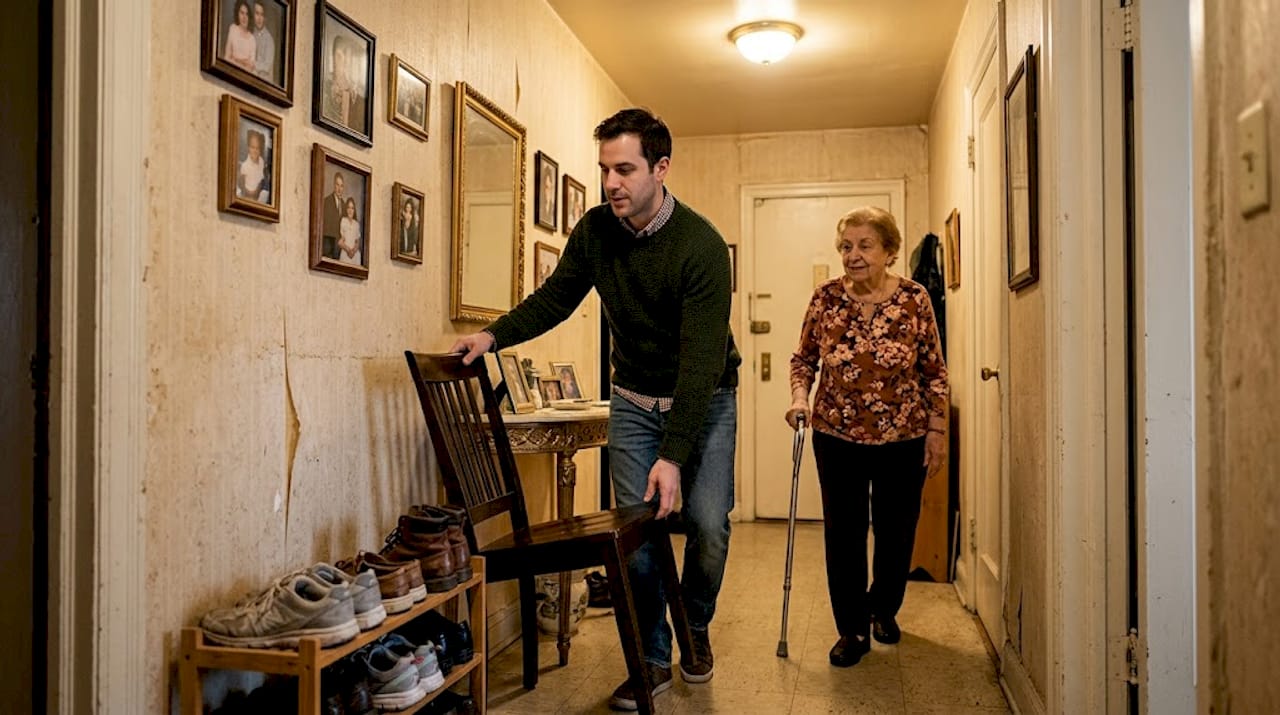
Home modifications like grab bars, good lighting, mobility aids, and medication reconciliation decrease risk significantly. These are not optional extras. They are front-line safety measures.
Here is a practical setup checklist for NYC families:
Grab bars installed in the bathroom near the toilet and inside the shower or tub
Non-slip mats on bathroom floors and any area rugs removed from high-traffic paths
Clear pathways through hallways and between bedroom and bathroom, free of furniture or clutter
Accessible medication storage with a written schedule reviewed by the home care nurse
Good lighting in all rooms, especially at night, with a nightlight near the bed
Emergency call device or charged phone within reach at all times
Technology is also a growing part of safe recovery. Remote monitoring devices can track heart rate, blood pressure, and movement patterns, alerting the care team to early warning signs. Telehealth appointments let physicians check in without requiring your loved one to travel.
Recovery support tool | What it does | Best for |
Remote vital monitoring | Tracks heart rate, blood pressure daily | Cardiac or post-surgery recovery |
Telehealth check-ins | Remote physician visits | Medication adjustments, early concerns |
Medication dispensers | Alerts and auto-dispenses correct dose | Complex medication schedules |
Fall detection wearables | Notifies family or 911 if a fall occurs | High fall-risk seniors |
Vital monitoring and early follow-up dramatically lower readmission risks, particularly for elderly patients recovering from cardiac events or major surgery. Our home care safety checklist gives you a printable resource to prepare your home before your loved one arrives.
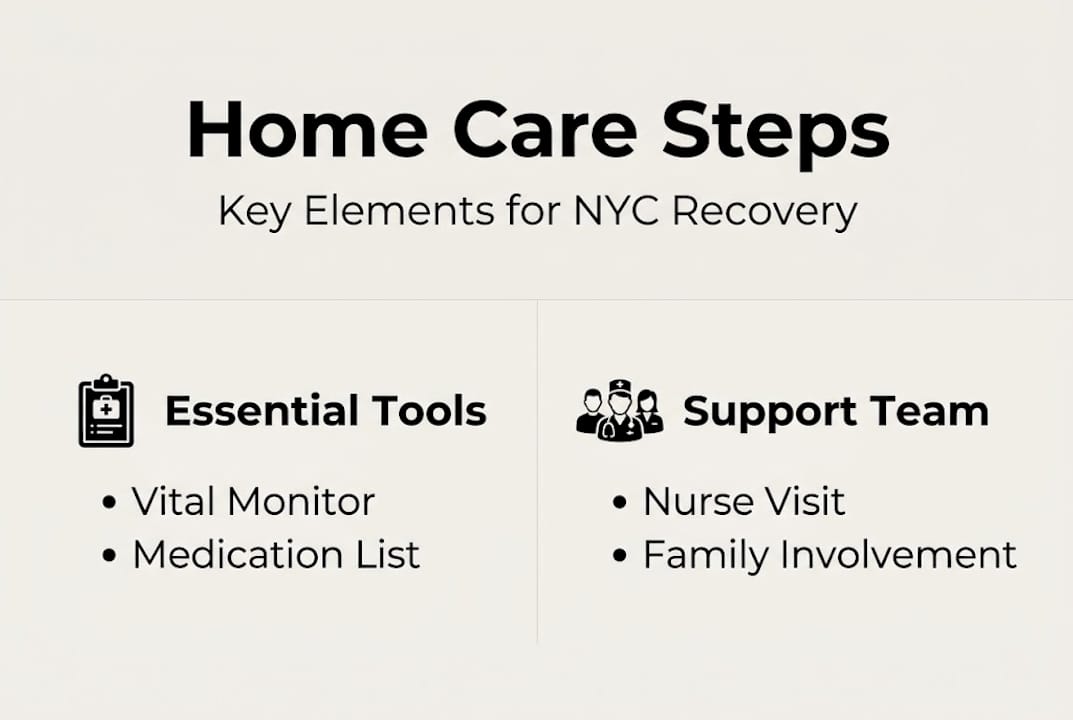
Forgetting medication reconciliation is one of the top causes of preventable readmission. Before leaving the hospital, get a complete, written list of every medication, the correct dose, and the exact timing. Hand it directly to your home care nurse on the first visit. Review the personalized home care options available in your borough to find the right fit for your family’s specific situation.
Why most families underestimate the complexity of post-hospital care
After supporting hundreds of NYC families through post-hospital recovery, we have seen the same pattern repeat. Families expect the hard part to be over once their loved one comes home. They plan for meals, maybe a ride to a follow-up appointment, and some extra company. What they do not plan for is the clinical, legal, and logistical reality that follows a hospital stay.
Skipped follow-ups, delayed home modifications, and underestimated medication routines are not rare mistakes. They are the norm for families managing this without structured support. And each one carries real consequences, from a preventable fall to a dangerous medication interaction.
Here is the truth we have learned: agency-supported home care is not a luxury or a sign that your family cannot manage. It is often the single most important factor in whether recovery is safe or not. The families who do best are those who pair home care and wellness expertise with their own engaged presence. You do not have to choose between professional care and family love. You need both.
Ready to arrange reliable home care in NYC?
Armed with knowledge and practical steps, your family is ready to take action. At Friendly Home Care, we specialize in exactly this kind of coordinated, compassionate post-hospital support across all five boroughs and Westchester County. From the first phone call to the first home visit, we move quickly so your loved one is never left without the care they need. Our licensed and Joint Commission accredited team handles intake within 24 to 48 hours, builds a personalized plan, and stays in close contact with your family every step of the way. Explore our full range of personalized care services and schedule a consultation today.
Frequently asked questions
What services are typically included in post-hospital care at home?
Post-hospital home care includes skilled nursing, therapy, personal care assistance, medication management, and daily living support tailored to the individual’s recovery needs.
How quickly can home care services start after a hospital discharge in NYC?
Most agencies complete intake and arrange a first visit within 24 to 48 hours after discharge and physician certification, so your loved one is not left unsupported during the most critical window of recovery.
What should families do first when preparing for post-hospital care at home?
Start discharge planning early and request a needs assessment before your loved one leaves the hospital, so the right services and home modifications are already in motion.
Does post-hospital care at home really reduce the risk of hospital readmission?
Yes. Structured home care with early follow-up can reduce the odds of readmission by over 60%, making it one of the most effective tools available for elderly recovery.
Recommended