
Supportive Home Services: Empowering Independent Living
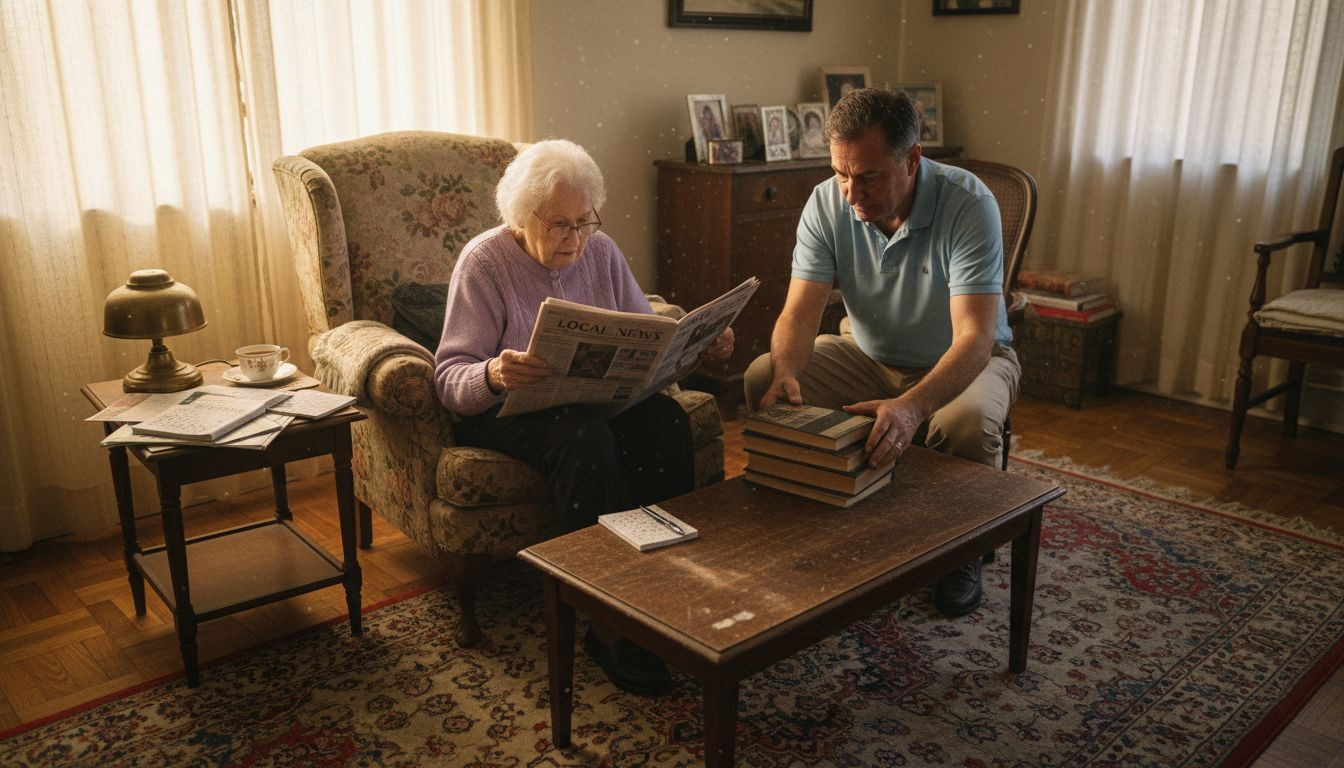
Every family faces tough decisions when a loved one begins to need extra help at home. In New York City, balancing independence and safety becomes a pressing concern as relatives age or manage disabilities. Supportive home services offer a solution that keeps your family member in their own space while providing personalized care for daily needs. This guide explains the unique benefits of these services, highlighting how they protect dignity, foster autonomy, and simplify care choices for families.
Table of Contents
Key Takeaways
Point | Details |
Supportive Home Services Enhance Independence | These services allow individuals, especially aging adults, to receive tailored care while remaining in their own homes, fostering autonomy and control. |
Person-Centered Care is Essential | Care plans should be driven by the individual’s needs and preferences, ensuring that clients are actively involved in their care decisions. |
Flexibility is Key to Adaptation | Services should be responsive to changing health needs, allowing adjustments to care levels as circumstances evolve. |
Understanding Service Types Helps Decision Making | Familiarity with different care models (Personal Care, Skilled Nursing, Companion Care, and Dementia Support) ensures families can choose the right fit for their loved ones. |
Defining Supportive Home Services and Its Core Concepts
Supportive home services represent a fundamental shift in how we approach care for aging adults and individuals with disabilities. Rather than moving someone into a facility, these services allow people to remain in their own homes while receiving the personalized assistance they need.
At its core, supportive home services combine two essential elements: housing and tailored care. You maintain control over your living environment while trained professionals provide personalized support that adapts to your unique circumstances.
What Makes Supportive Home Services Different
Supportive home services emphasize independence, not dependency. This distinction matters deeply for families navigating care decisions in New York City.
The model focuses on:
Enabling residents to make choices about their daily lives
Providing care that adapts to individual preferences and routines
Maintaining connections to community and family
Supporting health needs without institutional settings
Respecting dignity and personal autonomy
Supported living arrangements allow adults with varying support needs to choose where and how they live. You get to decide. You get to stay in your home, in your neighborhood, surrounded by the memories and routines that matter to you.
This approach works for older adults aging in place, individuals recovering from health events, and those managing chronic conditions. The goal remains constant: enabling you to live as independently as possible within your own four walls.
Core Principles That Guide Service Delivery
Effective supportive home services rest on several foundational principles. Friendly Home Care builds its services around these commitments:
Person-centered care means your needs, preferences, and goals drive the service plan, not the other way around. Your caregiver works with you, not for you.
Flexibility and responsiveness allow services to change as your circumstances evolve. A fall in spring might require temporary additional support. Improved mobility in summer could mean adjusted care levels.
Community integration keeps you connected to your neighborhood, your family, and your social networks. Your home remains your home, not a medical facility.
Professional reliability ensures trained, compassionate caregivers arrive when scheduled and provide consistent, quality support. In a city like New York, where timing affects everything, this reliability proves invaluable for families.
These principles transform what home care can be. Rather than viewing assistance as something done to you, supportive services work with you toward maintaining the independence and quality of life you value.
Supportive home services enable you to age in place while receiving professional help with the specific tasks that challenge your independence.
Pro tip: When evaluating home care options for your loved one, ask potential providers directly how they personalize care plans and adjust them over time—this reveals whether they truly understand person-centered care.
Types of Supportive Home Care and Key Differences
Supportive home care isn’t one-size-fits-all. Different people need different levels of assistance, and the types of services available reflect this reality. Understanding what separates one service type from another helps families in New York City choose the right fit for their loved ones.
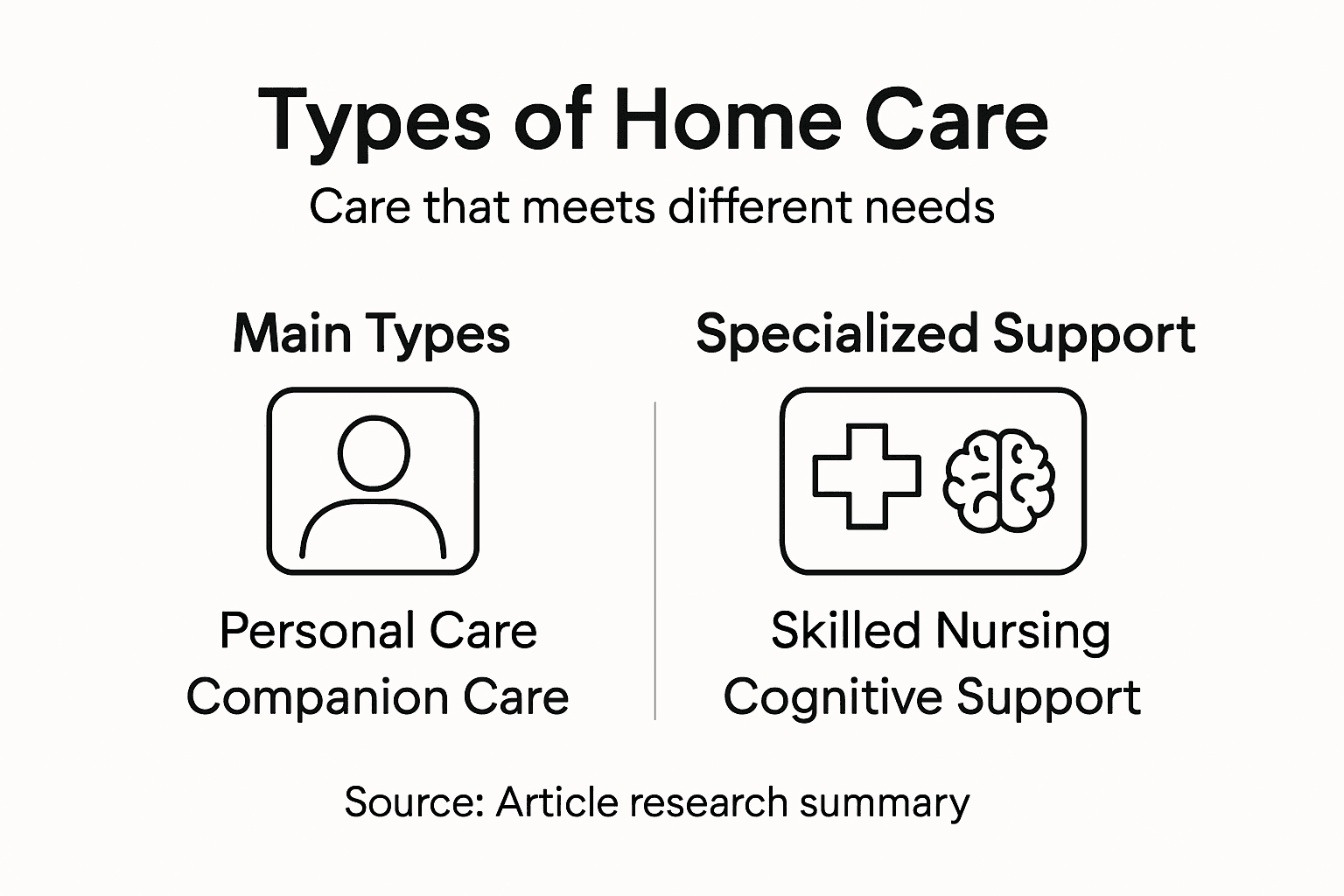
The landscape includes several distinct models, each designed for particular circumstances and care needs. Your choice depends on your relative’s independence level, health conditions, and personal preferences.
Personal Care Assistance
Personal care assistance focuses on help with activities of daily living. This includes bathing, dressing, grooming, toileting, and meal preparation.

When your aging parent struggles to shower safely or needs help managing medications, personal care aides step in. They provide hands-on support while encouraging independence wherever possible.
This service type works well for:
Seniors recovering from surgery or hospitalization
Individuals managing arthritis, mobility issues, or balance problems
People with early-stage cognitive changes who need reminders and guidance
Anyone preferring to remain at home rather than transition to assisted living
Skilled Nursing and Rehabilitation Care
Skilled nursing care involves licensed nurses managing medical needs. This includes wound care, medication management, catheter care, and monitoring vital signs.
Home and Community-Based Services often include physical rehabilitation to help regain strength and mobility after illness or injury. A physical therapist might visit weekly to guide exercises that restore function.
Skilled care suits people with:
Recent hospitalizations requiring medical oversight
Chronic conditions needing professional monitoring
Post-surgical recovery needs
Complex medication regimens requiring nurse coordination
Companion Care and Emotional Support
Companion care addresses isolation and mental well-being. Companions provide conversation, assistance with errands, transportation to appointments, and social engagement.
This matters more than many families realize. Loneliness affects health outcomes. A regular companion creates structure, provides accountability, and offers the human connection that sustains quality of life.
Dementia and Cognitive Support Care
Specialized dementia care requires caregivers trained in managing memory loss, behavioral changes, and communication challenges. These aides understand how to redirect confusion, maintain dignity, and keep clients safe.
This differs fundamentally from general personal care. Dementia demands specific training and patience that general caregivers may lack.
Different care types address different needs. Choosing the right type means better outcomes and improved quality of life for your loved one.
How Services Combine
Many families need multiple service types simultaneously. Your mother might receive companion care three days weekly while a skilled nurse visits twice monthly to manage blood pressure and medication adjustments. This flexibility allows care to match actual needs rather than forcing needs into preset packages.
Pro tip: Request a thorough in-home assessment from your care provider before selecting services—a professional evaluation of your loved one’s specific situation ensures you’re paying for what they actually need, not overestimating or underestimating care requirements.
Here’s a summary of supportive home care types and situations where each works best:
Care Type | Main Focus | Typical Recipients | Unique Advantage |
Personal Care Assistance | Daily living support | Seniors needing help with tasks | Encourages safe independence |
Skilled Nursing & Rehabilitation | Medical and therapy services | People post-hospitalization | Managed by licensed professionals |
Companion Care | Social and emotional support | Isolated or lonely individuals | Reduces loneliness, adds engagement |
Dementia/Cognitive Care | Memory and behavioral care | Those with dementia or cognitive decline | Specialized training for safety |
How Supportive Home Services Function for Clients
Supportive home services work through a coordinated process designed around your specific needs. Understanding how this process unfolds helps you know what to expect and how to get the most from the services available.
The system doesn’t operate on a one-way delivery model. Instead, it centers on partnership between you, your family, and trained professionals working together toward your independence goals.
The Initial Assessment Phase
Everything begins with a thorough evaluation. A case manager visits your home to understand your situation comprehensively.
This assessment covers:
Physical health needs and mobility challenges
Cognitive and mental health status
Daily living tasks you manage independently versus those requiring help
Social connections and community involvement
Safety concerns within your home environment
Your personal preferences and life goals
This isn’t a checklist exercise. A skilled case manager listens carefully to understand not just what you need, but who you are and what matters to you.
Developing Your Personalized Care Plan
Individualized care plans form the foundation of effective service delivery. Based on assessment findings, your case manager collaborates with you to establish realistic, achievable goals.
Case management coordination ensures that all services align with your priorities. If staying independent in your kitchen matters most to you, the plan emphasizes occupational therapy and adaptive equipment to support that goal.
Your plan includes:
Specific services you’ll receive and their frequency
Goals for improved health, independence, or well-being
Timeline for reassessment as circumstances change
Clear understanding of what you and providers each contribute
Emergency protocols and contact information
Ongoing Support and Coordination
Once services begin, coordination becomes critical. Your case manager connects your personal care aide with your nurse, who communicates with your doctor. These professionals work in separate roles but toward shared outcomes.
This prevents gaps where nobody knows about medication changes or safety concerns. It also prevents duplication where multiple providers offer the same service unnecessarily.
Regular Check-Ins and Adjustments
Your needs don’t remain static. A fall in April might require temporary additional support. Recovered strength in June could allow services to adjust downward.
Quality programs build in regular check-ins—monthly or quarterly—to review how well current services match your actual situation. You drive these conversations. If something isn’t working, you speak up and the plan adjusts.
Effective supportive services function as a partnership where your preferences guide decisions and professionals coordinate seamlessly to support your independence.
The Role of Your Family
Family members stay informed and involved. You control how much information your case manager shares with adult children or other relatives.
This transparency ensures continuity if questions arise and prevents misunderstandings about what services are provided and why.
Pro tip: Request monthly written summaries from your case manager documenting what services were delivered, any changes noticed, and upcoming adjustments—this creates accountability and helps you catch problems early.
Legal, Accreditation, and Safety Standards in Home Care
When you invite a caregiver into your home, you’re trusting them with your safety, privacy, and well-being. Reputable home care agencies operate within strict legal and safety frameworks designed to protect you. Understanding these standards helps you evaluate whether a provider meets your expectations.
These protections don’t happen by accident. They result from licensing requirements, accreditation processes, and ongoing oversight that separate quality providers from unreliable ones.
Licensing and Legal Requirements
Home care agencies must be licensed to operate legally in New York and surrounding areas. Licensing ensures providers meet minimum standards for staffing, training, and service delivery.
In New York State, the Department of Health oversees home care licensing. Agencies must pass inspections, maintain detailed records, and demonstrate compliance with health codes and labor laws.
Key legal requirements include:
Background checks and criminal history clearance for all staff
Proof of immunizations and health screenings
Written care plans documenting services provided
Insurance coverage protecting clients against harm or negligence
Adherence to privacy laws protecting your medical information
Compliance with wage and labor regulations for caregivers
If an agency cannot produce current licensing documentation, that’s a serious red flag.
Accreditation Beyond Basic Licensing
Accreditation represents a higher standard than licensing alone. While licensing sets minimum requirements, accreditation demonstrates commitment to excellence.
The Joint Commission accredits many home care agencies, conducting rigorous reviews of quality measures, safety protocols, and client satisfaction. Accreditation standards emphasize safe, secure service delivery with appropriate safeguards for vulnerable individuals.
Accredited agencies typically show:
Regular staff training and competency assessments
Systematic quality improvement processes
Client complaint resolution procedures
Performance metrics tracked and reported
Third-party validation of their practices
Safety Standards and Safeguarding
Safeguarding protects vulnerable adults from abuse, neglect, and exploitation. Quality home care agencies maintain strict safeguarding policies.
This includes mandatory abuse reporting, background verification, and clear protocols for handling concerns. Staff receive training on recognizing signs of exploitation and documented processes for reporting suspected abuse.
You have the right to:
Know who is entering your home and their qualifications
Refuse service from any specific caregiver
Report concerns to agency management and regulatory authorities
Expect confidentiality regarding your health information
Receive written explanations of all services and costs
Why These Standards Matter
Licensed and accredited providers protect your health and finances. Unlicensed caregivers cannot be held accountable if something goes wrong. Insurance won’t cover incidents involving unlicensed workers.
Legal and regulatory frameworks establish clear definitions of provider responsibilities and service boundaries. This clarity protects both clients and caregivers from misunderstandings.
When evaluating agencies, ask directly about their licensing status, accreditation credentials, insurance coverage, and safety protocols.
Licensed and accredited home care agencies operate within strict legal frameworks designed to protect your safety, privacy, and financial interests.
Pro tip: Before hiring any agency, verify their licensing status directly with the New York State Department of Health and request written proof of current insurance coverage—these documents provide essential legal protection if problems arise.
Comparing Supportive Home Services to Alternatives
When facing care decisions, families often wonder how home services compare to other options. Understanding the differences helps you make informed choices aligned with your loved one’s needs and values.
Multiple care models exist, each with distinct advantages and limitations. The right choice depends on independence level, health complexity, financial resources, and personal preferences.
Supportive Home Services vs. Assisted Living Facilities
Assisted living facilities provide housing and services in a shared setting. Residents live in apartments or rooms within larger communities offering dining, activities, and on-site staff.
Supportive home services differ fundamentally: you remain in your own home with services coming to you. This distinction matters profoundly.
Home services offer:
Complete control over your living environment and daily routines
Ability to maintain possessions and personalize your space
Privacy and autonomy in decision-making
Flexibility to adjust service levels without relocating
Connection to your neighborhood and established community
Assisted living offers structured activities, built-in social engagement, and 24-hour staff availability. For some people, that structure provides security. For others, loss of independence and home feels unacceptable.
Supportive Home Services vs. Nursing Homes
Nursing homes provide medical care in institutional settings. Licensed nurses manage medications, treatments, and clinical monitoring 24 hours daily.
Nursing homes suit people requiring constant medical supervision or intensive skilled care. They’re appropriate after major surgery or for advanced dementia when safety demands round-the-clock monitoring.
Supportive living models emphasize autonomy and personalized care within your own home. You determine your living conditions rather than accepting institutional routines.
Key differences:
Home services maintain your independence; nursing homes prioritize medical oversight
Home services adapt to your schedule; nursing homes follow facility routines
Home services respect your home as yours; nursing homes are institutional environments
Home services cost less for people with moderate care needs
Supportive Home Services vs. Family-Only Care
Family caregiving provides love and dedication but comes with real limits. Adult children juggling jobs, own families, and aging parents often become overwhelmed.
Family burnout leads to worse outcomes for everyone. Resentment builds. Care quality suffers. Relationships strain under the weight.
Supportive home services complement family involvement rather than replace it. Professional caregivers handle physically demanding or skilled tasks while family members remain emotionally present.
This hybrid approach:
Reduces caregiver stress and burnout
Allows families to maintain relationships without resentment
Brings professional expertise to complex medical needs
Provides backup when family members become ill or unavailable
Preserves your loved one’s dignity by having trained specialists assist with personal care
Financial and Quality-of-Life Comparisons
Supportive home services typically cost less than assisted living or nursing homes for people needing moderate assistance. You pay only for services actually used, not facility overhead.
Long-term supportive housing produces better stability and quality-of-life outcomes compared to institutional alternatives. People maintain connections, preserve independence, and age within their own communities.
Quality of life improves when people stay in familiar environments with control over daily decisions.
See how supportive home services compare to popular alternatives:
Aspect | Supportive Home Care | Assisted Living | Nursing Home |
Living Environment | Own home, familiar | Apartment/communal | Institutional facility |
Personalization | Fully customizable | Some personalization | Limited, routine-based |
Medical Oversight | As needed, on demand | Limited, not 24/7 | Constant, 24/7 nurses/doctors |
Cost Efficiency | Pay for used services | Monthly rent plus fees | Highest for full-time care |
Supportive home services preserve independence and autonomy while providing professional assistance—something institutional settings cannot fully replicate.
Pro tip: Before deciding between options, create a detailed list of your loved one’s specific needs, preferences about independence, financial capacity, and health requirements—then match these specifics to each alternative rather than assuming one option fits everyone.
Discover Personalized Supportive Home Services with Friendly Home Care
The challenge of maintaining independence while managing daily activities and medical needs can feel overwhelming for seniors and their families. This article highlights key concerns such as person-centered care, flexibility, and the importance of staying connected to your community. At Friendly Home Care, we understand the importance of empowering you to age in place safely and comfortably in your own home across New York City and Westchester County.
Our licensed and accredited agency delivers expert personal care assistance, skilled nursing support, compassionate companionship, and customized care plans that adapt as your needs evolve. We prioritize your dignity, respect your preferences, and work closely with your family to ensure seamless coordination. Experience the difference that professional, reliable in-home care can make for you or your loved one.
Start your journey to independent living today with Friendly Home Care, a trusted partner serving Brooklyn, Queens, Manhattan, and all five boroughs.
Find out how our tailored supportive home services can meet your unique needs. Contact us now at Friendly Home Care for a consultation and take the next confident step toward preserving your independence and quality of life.
Frequently Asked Questions
What are supportive home services?
Supportive home services are personalized assistance programs that allow aging adults and individuals with disabilities to remain in their own homes while receiving the care they need. This model combines housing and tailored care to enhance independence.
How do supportive home services promote independence?
Supportive home services emphasize choice and autonomy, allowing individuals to dictate their daily routines and receive care that adapts to their preferences. They focus on maintaining connections to community and family while providing necessary support for health needs.
What types of care are included in supportive home services?
Supportive home services can include personal care assistance, skilled nursing and rehabilitation care, companion care, and specialized dementia care, each tailored to meet specific needs and preferences of the individual receiving care.
How is a personalized care plan developed for clients?
A personalized care plan is developed through an initial assessment conducted by a case manager who evaluates the client’s physical and cognitive health needs, daily living tasks, social connections, and personal preferences to create a tailored plan aimed at achieving independence goals.
Recommended